
Code Vein II Review: Blood Vengeance
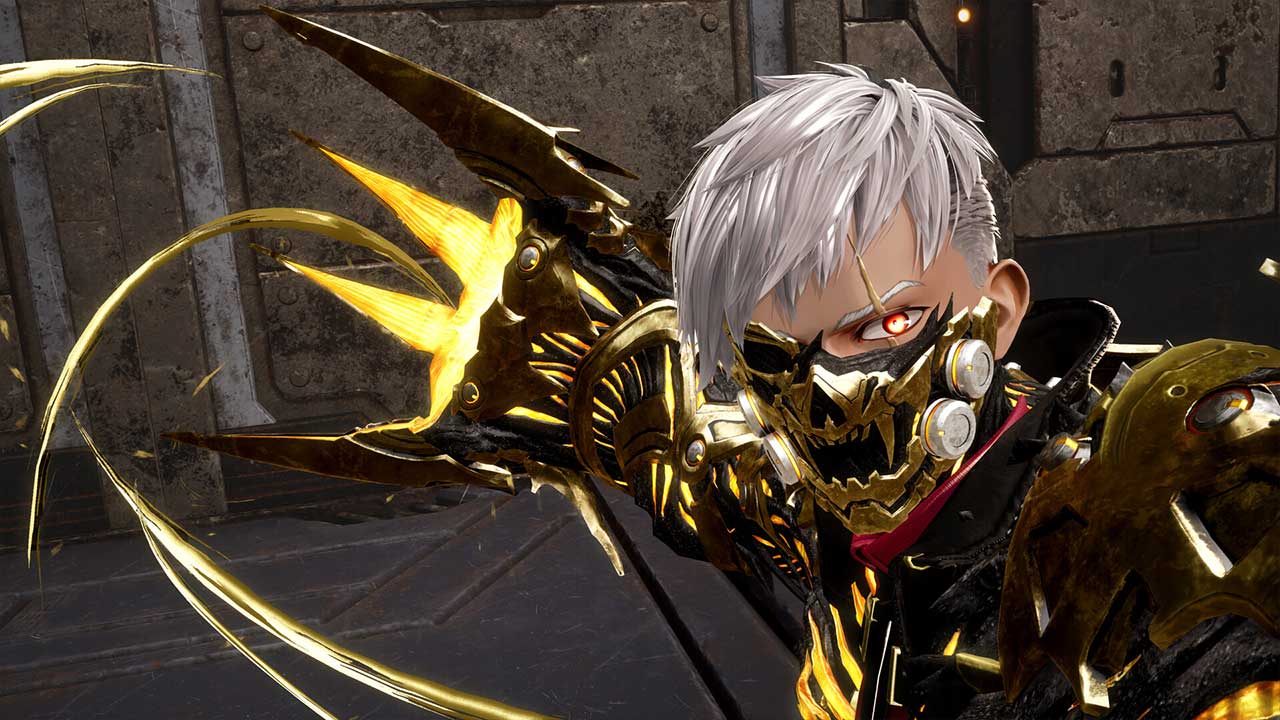
Platform(s): PlayStation 5 (version reviewed), Xbox Series, PC
Genre: Action Role-Playing Game, Sci-Fi, Vampires, Soulslike
Back in 2019, Bandai Namco’s in-house studio (the ones behind the God Eater series) decided to take a page from From Software and make their own Soulslike action RPG. The result? Code Vein, which is essentially Dark Souls but anime, vampires, and AI-controlled partners to help ease the journey somewhat. It had its issues, but it was still decent fun.
With too many Soulslike games festering the gaming sphere, developers who are still riding From Software’s d*** have to stand out from the pack. Lies of P had the Pinocchio motif, while The First Berserker had the Dungeon & Fighter license. As for Code Vein? Why not a sequel, especially one that adds a sprawling open world ala Elden Ring and, well, just do what they did back in 2019?
It can’t go wrong, right?
Time Bandits
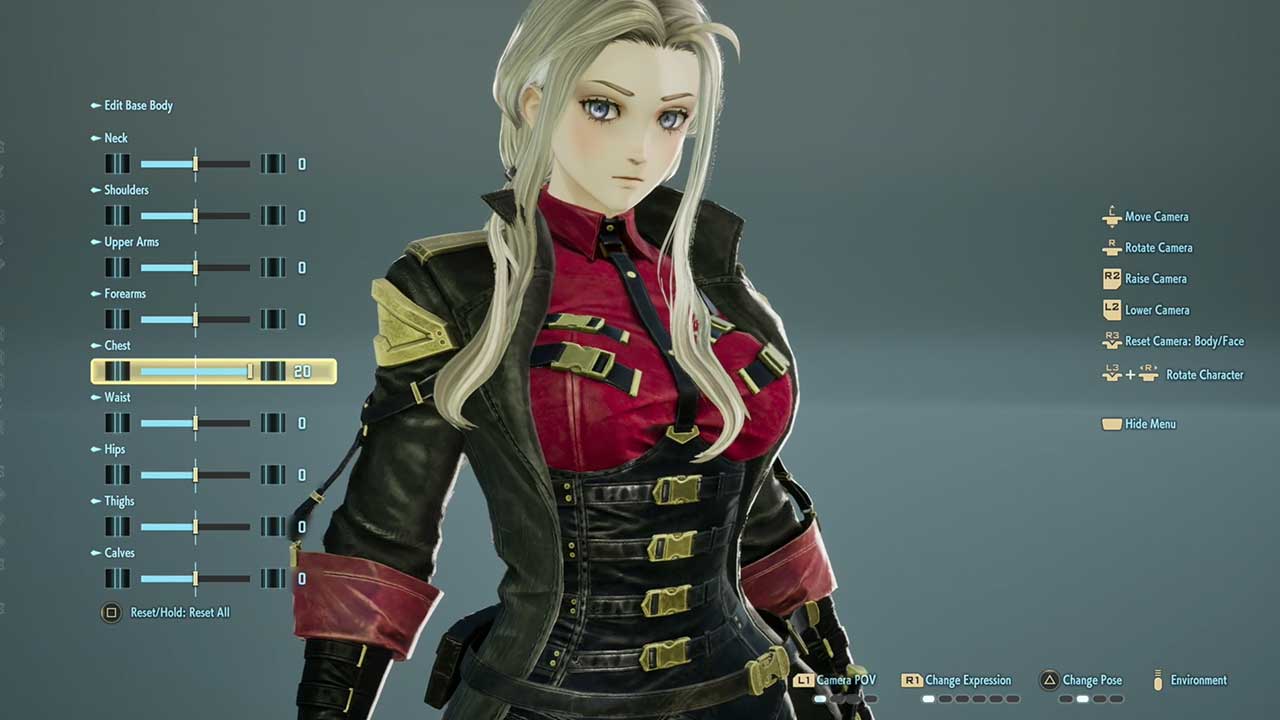
Kind of like in the first game, Code Vein 2 has you playing as a Revenant Hunter who can use special weapons and powers called Formaes and Jails. You also can customize the look of your main character in one of gaming’s most robust and extensive Character Creation menus ever. You’ll take hours getting the character you want and even turn him or her into some other video game or movie character you know and love.
You go through a ton of dungeons getting to the eventual boss fight which is usually soul-sucking tough unless you are patient enough to learn their patterns and gimmicks. Or if you have time, build your own killer Revenant Hunter with the tools provided. There’s a lot you can customize, from Blood Codes (classes and stats you can equip, each with their own perks and drawbacks) to Formae weapons (special moves you can pull off using Ichor/mana), Jails (super moves that drain Ichor), defensive options (parries, blocks, super-dodges), and passive slots (stat boosts, resistances, withstand death once, and so forth).
New to the series is the Burden mechanic, where you can equip as much as you want. However, if one of your stats gets taxed by said gear, that particular stat will overburden you with penalties. Say you equip a Dexterity-heavy weapon that your Blood Code cannot handle, as it has abysmal Dexterity stats. If overburdened, you lose Ichor if you get hit. On the flip side, some Blood Codes trigger benefits if any of your stats are overburdened, like you deal more damage if you incur the penalty.
You still have a partner to work with and help deal with enemies, or even distract bosses with their skills and attacks. However, you can assimilate them so you get their stats and buffs, though you fight as one in true Soulslike fashion. Also, the game has a failsafe that triggers if you die: if your partner is out in the field, they can assimilate into you to give you second wind for the fight. This means most boss fights won’t be a huge pain since you have a resurrect spell on a cooldown, and you won’t lose the flow of a fight just because of a cheap move from a boss. And those come in droves, let me tell you.
How you want to adjust the game’s frequency of these mechanics is up to you. Finding the fallen hero bosses a pain to deal with? Have your partner like Josee and Lou act as an aggro for them so you can wail on them from behind. Feel like learning how to fight bosses properly? Assimilate them and experience the hard lesson in pain yourself. Think you’re sweaty enough? Just overburden yourself and see how you fare. Bandai Namco Studios did a great job using its past 2019 mechanics and update it in a more robust fashion. And it even gives you more tools to play with, like Rune Blades (a godsend in a game like this) and better ranged options like tweaked Bayonet mechanics.
The Soulslike staples are present: you collect Haze to either level up your character or buy equipment, or even upgrade weapons, Formae, Jails, and so forth. There are “bonfires” that you can teleport to and fro once unlocked. When you die, you drop your Haze and have to do a corpse run to get it back lest it gets lost forever when you die again.
Enemies do hide behind corridors and traps lay dormant, attempting to get you if you’re too greedy and not too careful peeking around corners while furiously mashing the R3 thumbstick to target anything that could ambush you.
Back From The Future
The story hook this time? Time-travelling vampires. Following the bloodsucker theme of the first game back in 2019, this Code Vein sequel has you paired up with a time-manipulating revenant named Lou, who can bring you back to the past to hopefully right the wrongs of the present.
See, the current day you’re in kinda sucks thanks to the Resurgence that makes humans and revenants turn into monsters that cause ground zero. So you’re tasked with killing off the Heroes of the land who caused all this. Or you can head back in time, team up with the hero to sort out their problems, and hopefully alter the present in meaningful ways.
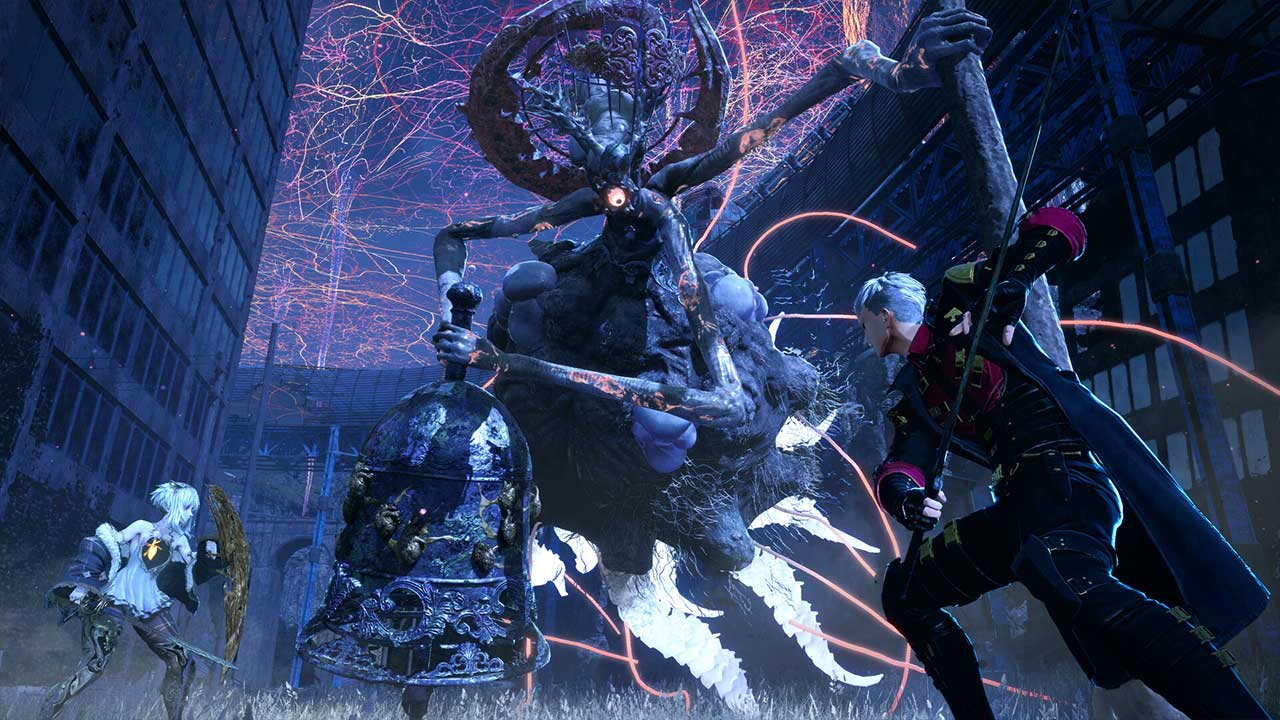
The game’s narrative does touch upon the possible consequences of time-meddling, but so far all signs seem to point to “yes, you should alter time to purify the heroes for a possible future”. If you meddle further, there will be a load of gatekeepers to halt your progress. I mean literal gatekeepers like a giant “alien” monster with tentacles and a giant hammer who stomps and occasionally grabs you for a damaging slam.
While coming off as schmaltzy at times, I can’t help but be engrossed with the backstories of Lyle, Holly, Josee and the many other revenants and humans whose stories all tie together for an epic conclusion. The 30+ hours you spend on grinding, fighting, and exploring is all in service to the plot’s time-bending shenanigans. And like the first game, you go into bouts of “insurgence” where you do a walking sequence to uncover the backstories of each character you partner with, all to a sad and slow tune with violins to make you get the feels.
How’s the open world segments? Well, they do tend to get choppy frame-rate wise especially with bigger enemies roaming the planes. The backdrops, vistas, and landscapes are cool and all in a post-apocalyptic kind of way. Sunken cities, magic forests, badlands with army bases, and a few more I can’t spoil because part of the fun is discovering it yourself while getting treasure out of it. Code Vein 2’s open world segments may feel like it was added in during the last phases of its development, but it’s far from the worse I’ve played. I just wished it ran better on the PlayStation 5; I toggled between Performance and Graphics mode, and they don’t look and move that different. Expect a ton of graphical glitches as you traverse the post-apocalypse.
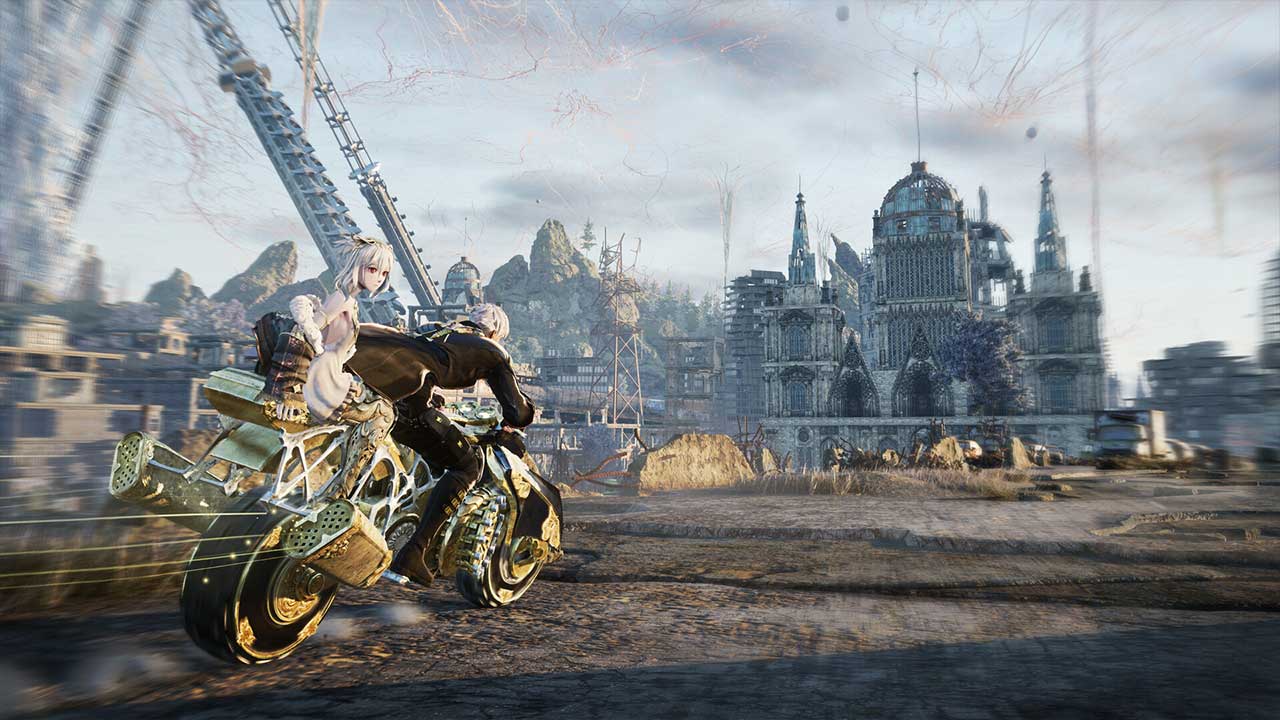
And the bike you get to traverse around? It’s fine when on smooth roads and straight lines, but it’s not as efficient like Torrent is in Elden Ring. I get that the devs want to make their own Soulslike game with an open world and update transport with something cool like a scifi bike. But some fine-tuning with the bike can help make the open world exploration a lot more palatable.
Red Dead & Loving It
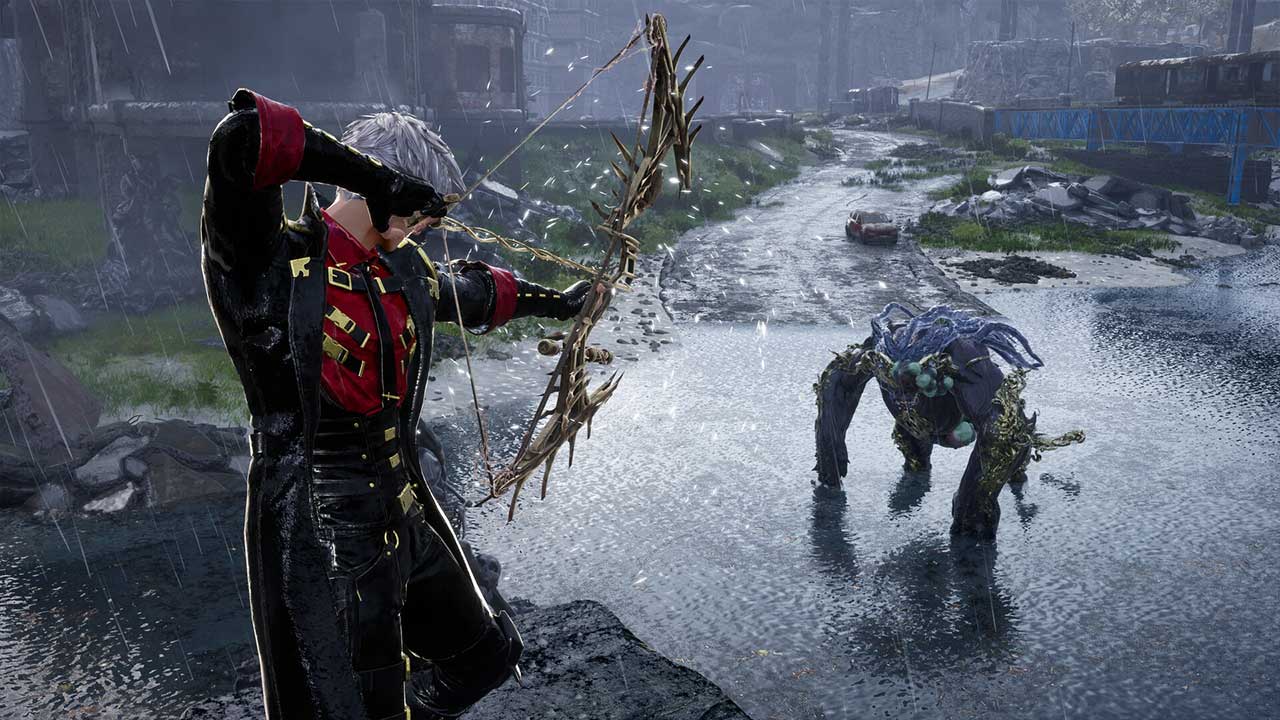
Code Vein II is a huge improvement over its sequel from gameplay to level design, and even its partner system. It also retains its unrelenting brutality and difficulty without compromise, for better or worse. Like a bunch of gamemakers who stan From Software’s work to the point where they don’t give players a break and probably turning some folks off who really want to give this subgenre a shot.
Still, what the heart wants is getting curb-stomped by giant scifi time-bending mutants. While the plot isn’t exactly the most original, it is dished out with lots of flair and production chops it’s easy to overlook its leap in logic at times and just embrace the anime-ness of it all. I do wish the console version’s presentation was tweaked and made better and more consistent (especially in the open world bits), but everything else in this sequel pans out great. It is rather disappointing that parts of the presentation feel like they’re barely duct-taped to keep going. At least there’s a good amount of RPGing meat in them proverbial revenant bones to keep you pushing!
Pros
- Great combat & customization thanks to Formas, Jails, & Overburden systems.
- Engaging narrative with colourful characters.
- Lovely soundtrack, even if a tad sparse at times and intervals.
- Nice dungeon design & layout, with some secrets to discover.
- You can have a partner to help you, or assimilate them for buffs.
Cons
- Graphics and performance feel average & less optimised for a triple-A title; presentation glitches aplenty.
- Can get really challenging & difficult; will not change your mind about Soulslikes.
Final Score: 80/100
Review copy provided by publisher Bandai Namco.

Leave a Comment