
The Ghost In The Shell (2026) Review: Welcome Back, Major
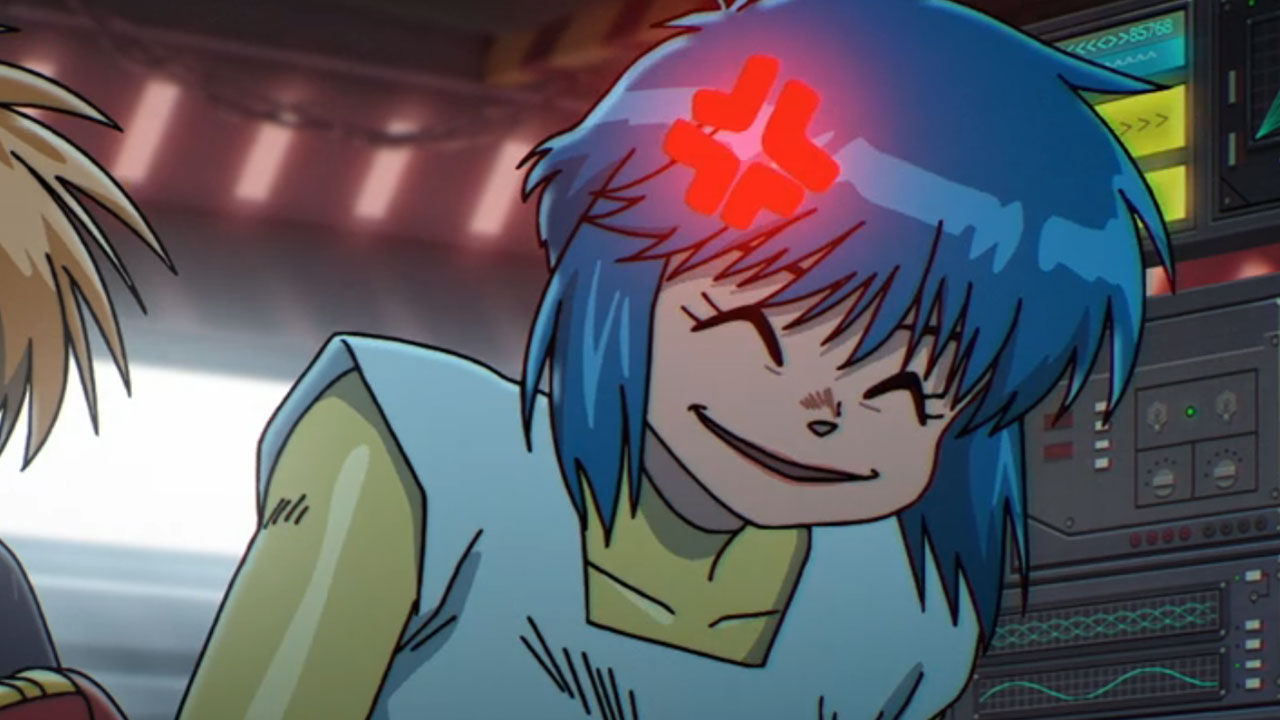
Since 1989 onward, the scifi series Ghost in the Shell has been the benchmark for cyberpunk storyline, with many, MANY anime writers and filmmakers using it as an inspiration point for their works. Whether it’s the colourful and quirky manga or the serious-and-sleek 1995 anime film, or even the half-and-half Ghost in the Shell: Stand Alone Complex series, they’re all worth watching and reading.
So how about one more Ghost in the Shell adaptation for your to-watch list? Given that it’s produced by animation house Science Saru (Dandadan, Scott Pilgrim Takes Off) and that it’s closely following the 1989 manga rather than the 1995 film, we are getting a different-yet-consistent scifi cyberpunk experience that’s considered fresh in this day and age.
Run Rabbit Junk
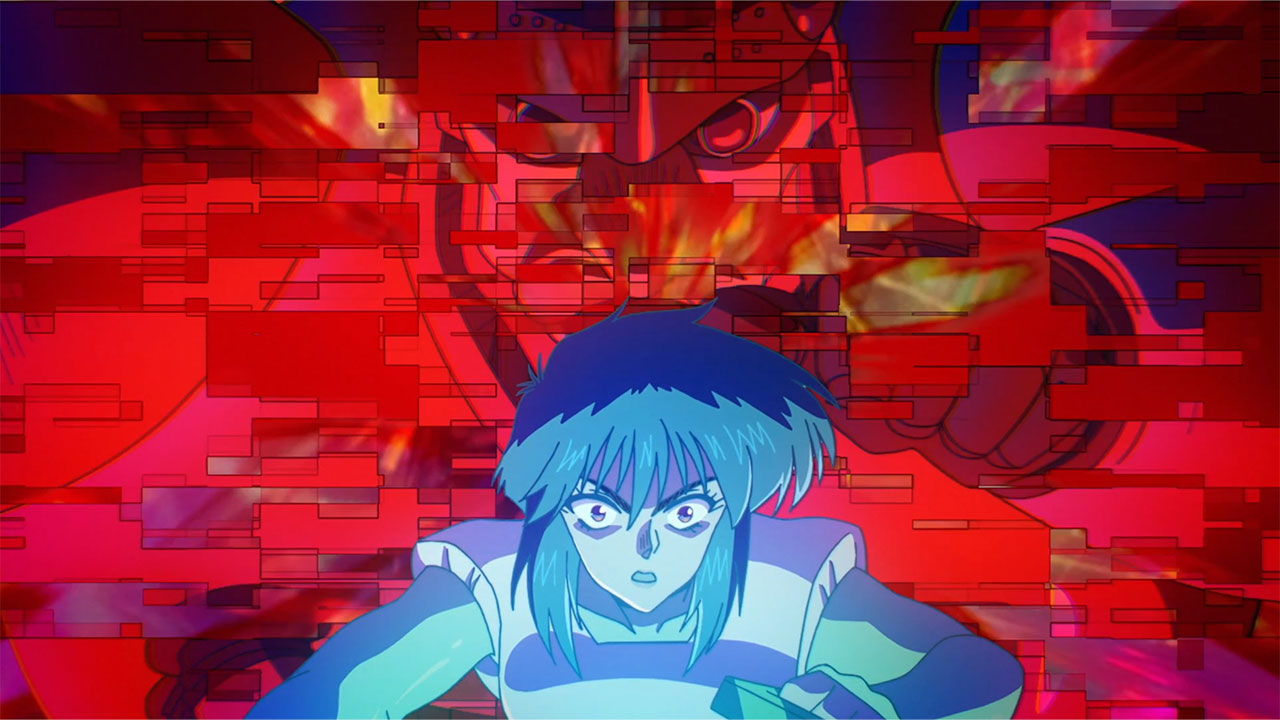
The Ghost in the Shell takes place in 2029 where cyber crimes and terrorist activities are on an all-time high. Enter cyborg Motoko “Major” Kusanagi (Maaya Sakamoto/Suzie Yeung) and her combat unit dubbed Public Security Section 9, as they proactively take on tech and security threats before they happen. Along the way, we have a lot of action and some screwball comedy mixed in-between, as well as some introspection on tech blurring the line between human and non-human thinking and emotions.
We get to see banter between the combat unit’s specialists from cyborg Batou (Hiroki Yasumoto/Bill Butts) to the rookie-with-his-own-family Togusa (Yuichi Nakamura/Nick Apostolides) who’s billed as a rookie among the elite group. The worldbuilding and politics surrounding it are expounded through the lens of Section Chief of Public Security and the combat unit’s boss Aramaki (Kazuhiro Yamaji/SungWon Cho) and whichever chief leader he’s talking to.
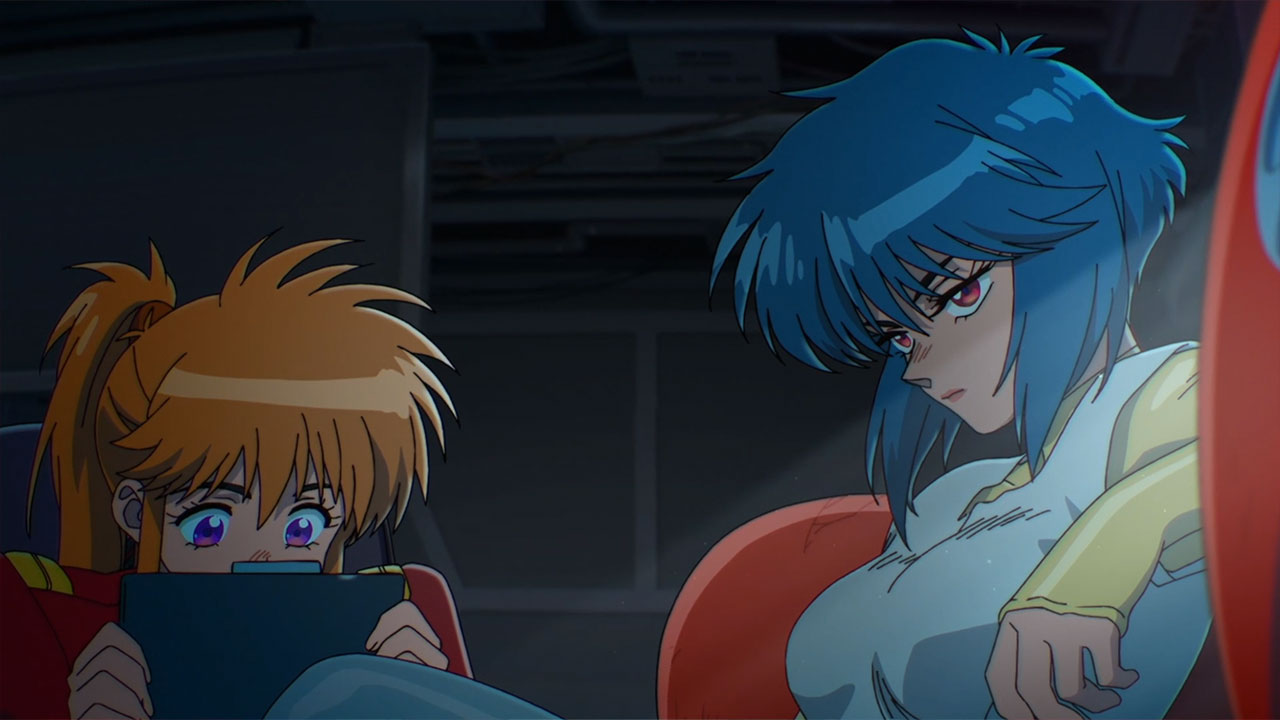
Everything about this retelling is colourful, frenetic, and paced well. You have your basic understanding of the current world, and also how Motoko and her crew tackle the problem, ranging from orphanages being controlled by criminal scum with elite hacking and cyberjacking abilities, to infiltrating juntas and dealing with rogue robots and cyborgs in public spaces. Motoko isn’t as dead serious as her anime film counterpart, but she is charismatic, endearing, and very good at her assassination and enforcing work. I appreciate this balancing act for our main heroine, as she isn’t completely flawless but is determined to get the job done.
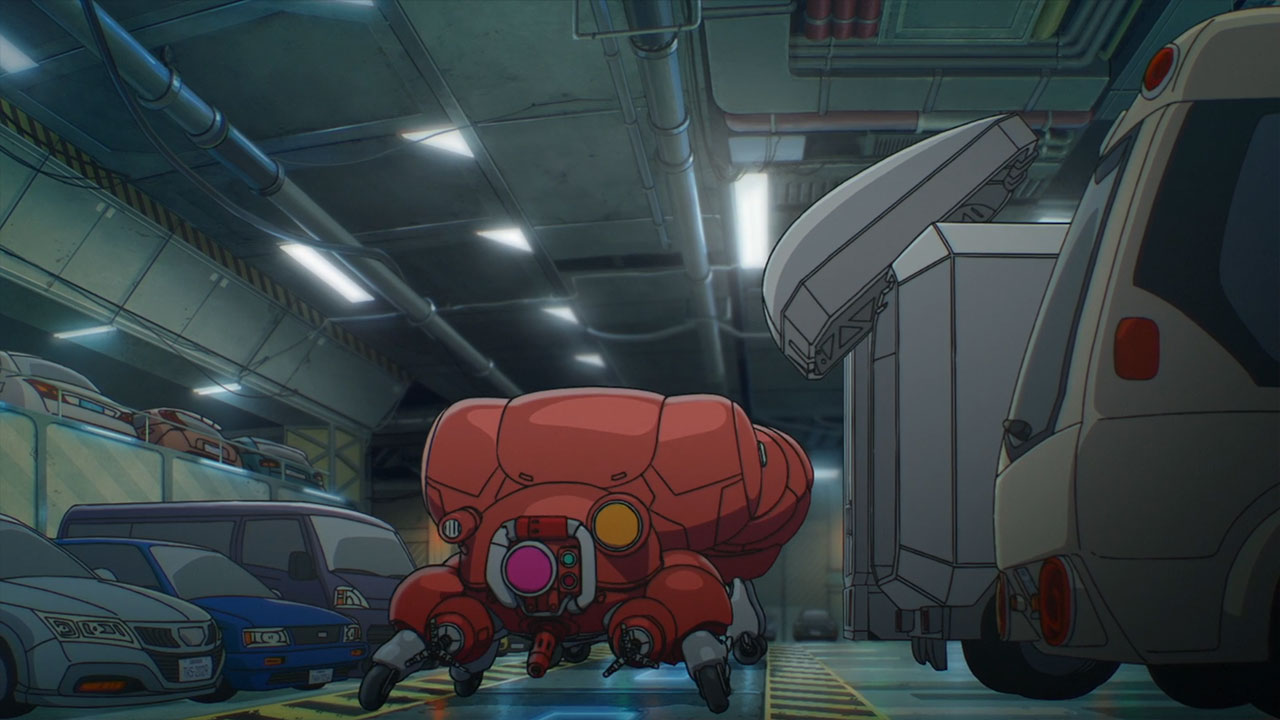
This leads to the show’s kinetic action scenes all wonderfully animated by Science Saru. We get to see Motoko gets into camouflage taking down corrupt world leaders. We witness the team pilot 1-man roller tanks called Fuchikoma which come equipped with their own arsenal. The cyberjacking and hacking portions are portrayed in an overwhelming yet logical aesthetic, with its chief hacker domineering in the background while its victim is portrayed small and helpless along with some creative transitions to keep the look slick. If anything, the show’s focus on saturated colours in everything, even the more mellow scenes, just makes this show stand out among the slew of other top-quality anime series out this year.
Some Other Time
With a deft balance of comedy and drama, this manga-accurate take on Ghost in the Shell hits all the right notes. Full of action, blitzful energy, and detailed in its worldbuilding and scifi lore, only the most fervent of the 90s movie’s fans will take issue with this “new” Motoko and her cyber-hacking crew.
Final Score: 90/100
Sub or Dub?
While it’s more authentic to watch it in its original Japanese, there’s a ton of heavy lifting done with the English dub. It’s honestly tough to pick between the legacy JP work of Maaya Sakamoto and the English semi-serious vocal work of the usually hyper and cheery Suzie Yeung.
I’ll go with the English dub, but only by a tiny margin. Either one’s well done and made with talent and respect to the source material.
You can watch Ghost in the Shell (2026) on Prime Video MY.
Leave a Comment