
The Social Reckoning Review: Gets A “Like”, Not A “Heart”

The big question that Aaron Sorkin’s companion film piece to 2010’s The Social Network, The Social Reckoning, tries to answer is: “does it need to be told?” The answer may be “yes” but maybe publishing this cautionary tale a few years earlier would have been nice. We do get some compelling acting work from its leads, so better late than never?
The new bio-dramapic that talks about Facebook’s rampant power in spreading misinformation and hate groups just for maximum social engagements (and its clear repercussions) takes place between 2019 and 2021. It is based on the reports of Jeff Horwitz’s series The Facebook Files with ex-Facebook employee Frances Haugen as the whistleblower. The two of them are played by Jeremy Allen White as Horwitz and Mikey Madison as Haugen; both have great chemistry and play off each other well. White’s non-tech-savvy Horwitz plays it straight as the seasoned veteran who needed to learn the ins and outs of social networks and tech in under 90 days, while Mikey’s Haugen is eccentric, social awkward, and struggles to do the right thing, all the combinations played with loads of colour and pep that you find appealing and adorable at times. It’s clear as day the two of them are front and centre in a show about a platform that can do good, but like fire, can get out of control if not handled well and responsibly.
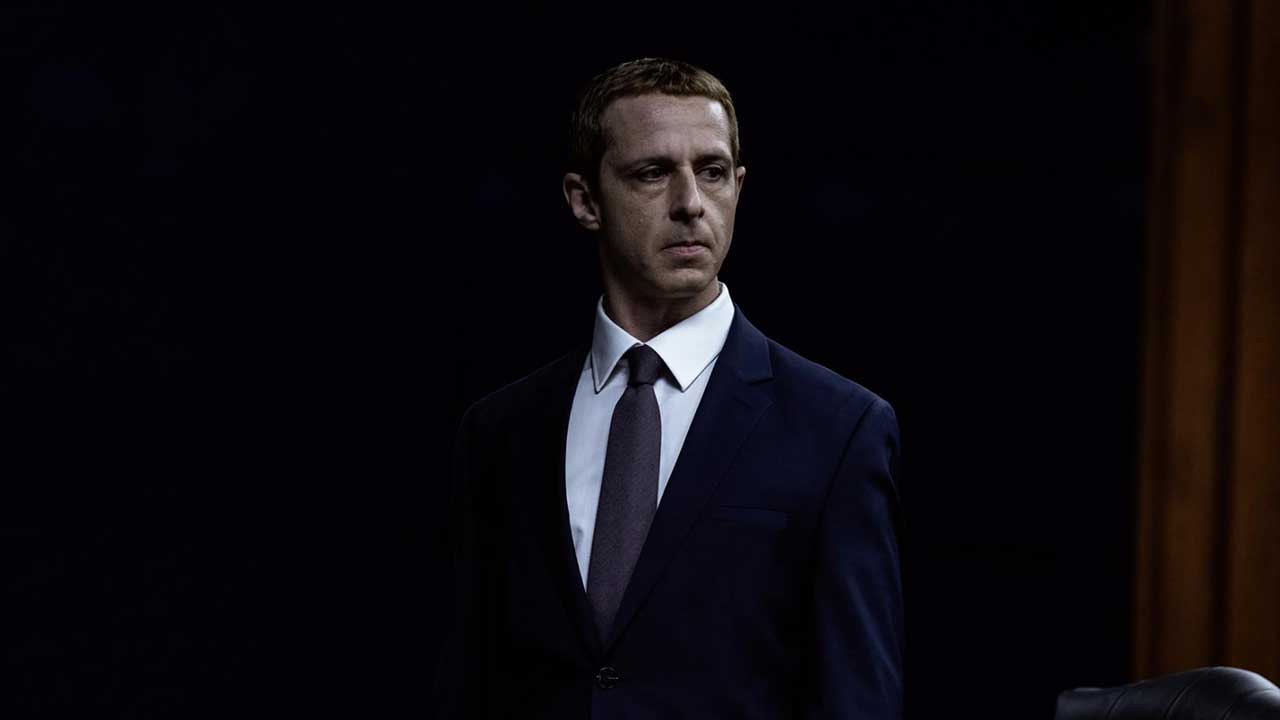
As for its platform’s creator Mark Zuckerberg? He’s played by Jeremy Strong, who somehow was given directions to be less gray than his The Social Network’s portrayal by Jesse Eisenberg. Here, he’s cartoonishly evil and slow-talking, so at least Strong got the mannerisms right. His appearance feels more like a supporting role, but at least Strong rolls with the punches with what he’s given without breaking character. Your take on his acting and exaggeration may vary, but I was entertained.
Props should go to the two actors who played his supporters during his time of PR need: Wunmi Mosaku’s crisis management specialist Raya and Bill Burr’s legal counsel Charlie (loosely based on real-life figure Roger McNamee). Somehow the two steal the spotlight with how they put up with this mustache-twirling-if-he-had-one version of Zuckerberg.
The rest of the show is a solid drama piece that is more a study in company transparency and its internal disruption, rather than a character study like its prequel from director David Fincher. As such, it just feels typically shot with that Hollywood biopic flair, with more emphasis on the conversations, sermonizing, and social commentary which is Sorkin’s main strength. Somehow, the technobabble and even the off-the-cuff background conversations of people red-pilled by Facebook kept me invested to see how far the show takes it, from the earlier found-footage cop scene to the eventual 2021 Capitol Riots escalated by Facebook’s patrons.
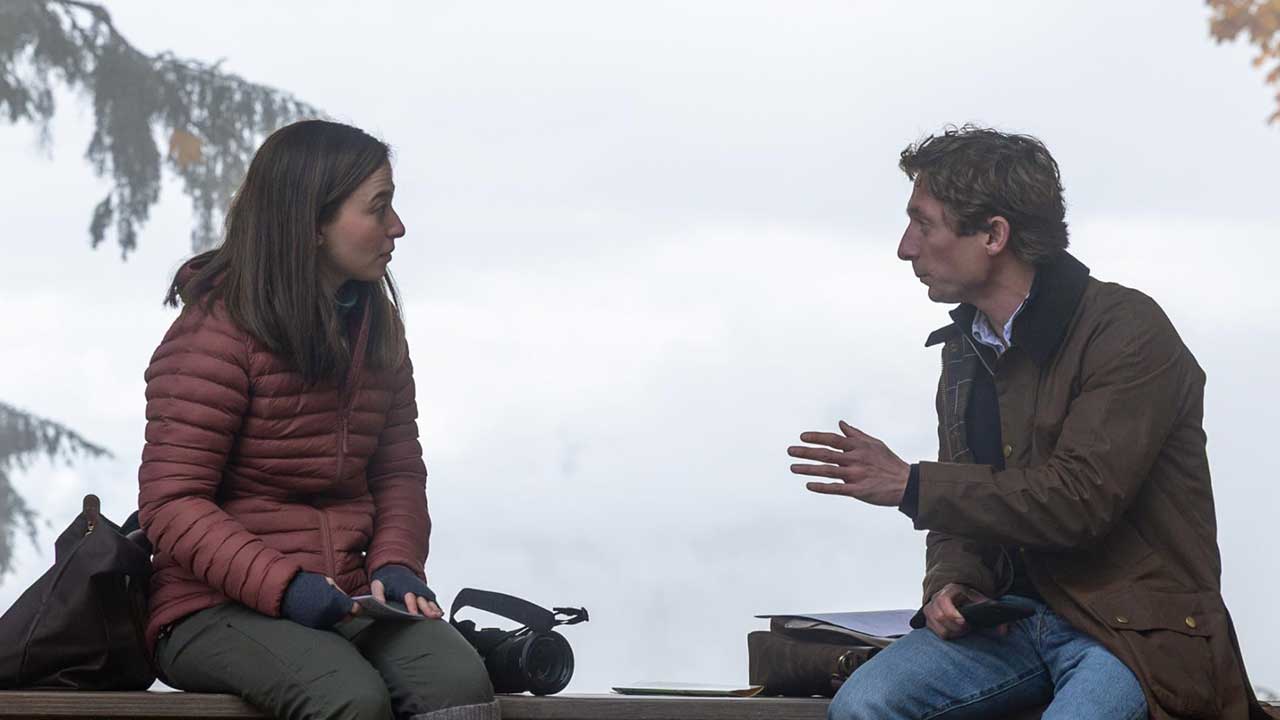
Aaron Sorkin did a commendable job in gripping us with another drama biopic-styled take on the biggest social media platform, with key folks like Mikey Madison and Jeremy Allen White doing a lot of the heavy lifting in keeping us invested during its close-to-two-hour runtime. While not as soul-searching and strongly-directed as its previous companion film The Social Network, it is still a step up from Aaron Sorkin’s more lambastic soap-opera spiel you see in the worst episodes of his TV show The Newsroom.
Comparison is the thief of joy, true, but it’s not like Sorkin did this without the best of intentions. As I alluded earlier, this sort of cautionary tale about social media has its place in media and can still drum up some conversations and recaps about how Facebook usage just ran rampant at one point.



Leave a Comment