
STAR WARS: Galaxy Racer Review – Not Quite Burned Out
Platform(s): PC (version reviewed), Xbox Series, PS5
Genre: Racing, Sci-Fi, Star Wars License
Back in the 90s and even past the 2000s, sci-fi racing games were the norm and focused entirely on thrills and speed, from your WipeOuts to your F-Zeros to even. You strap onto a futuristic vehicle -no wheels but hover engines or whatnot that made you glide onto tracks in a cool fashion- and just drive off, either slipstreaming or knocking down rivals in front of you, or blasting rockets or laying out mines at that narrow path to eff up other’s routes. Mario Kart on space crack, essentially.
It’s perplexing as to how and why this early trend died off in favour of driving sims and modern day racing games, and it’s such a shame really. So leave it to developer Fuse Games and Secret Mode to cover that long-overdue-for-a-comeback genre, and using the STAR WARS license to boot! Which seems appropriate given that the show’s vehicles like landspeeders, speeder bikes, and jet-powered pod racers and illegal street racing business is part of the mythos.
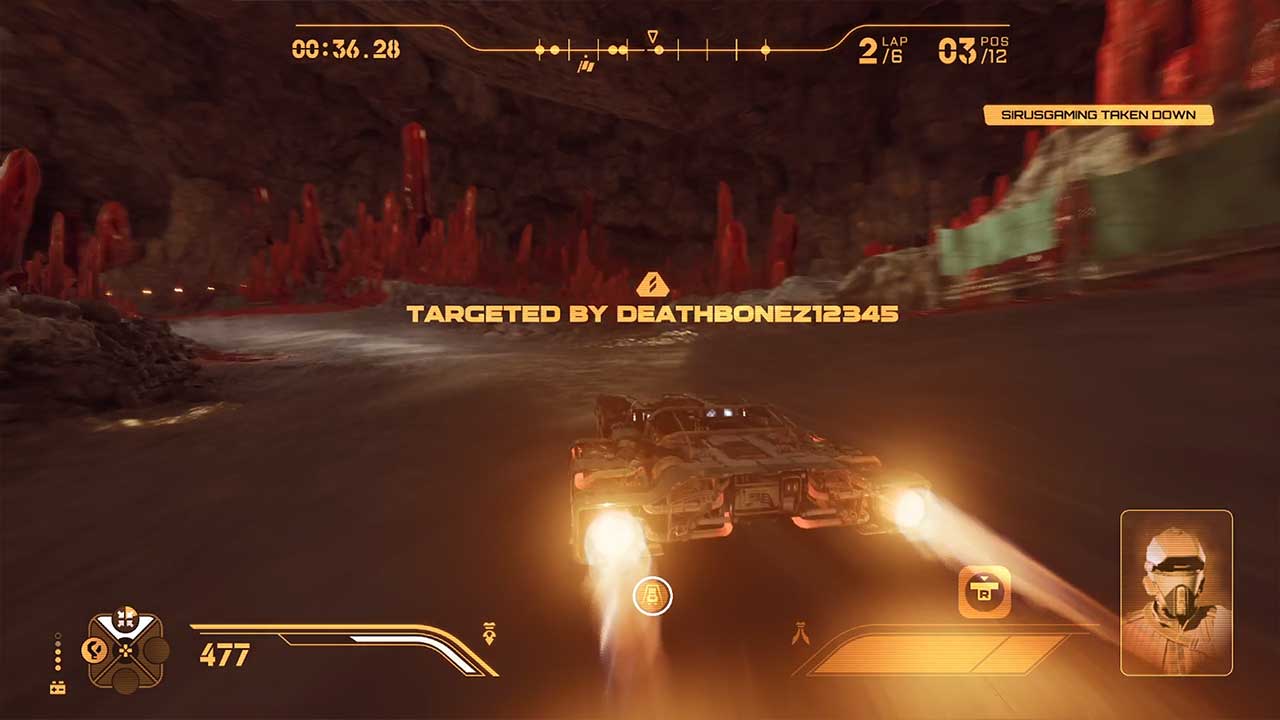
It’s also fast. Not Forza series fast, oh no. It’s a “league of its own” fast.
Space Ace Speedster
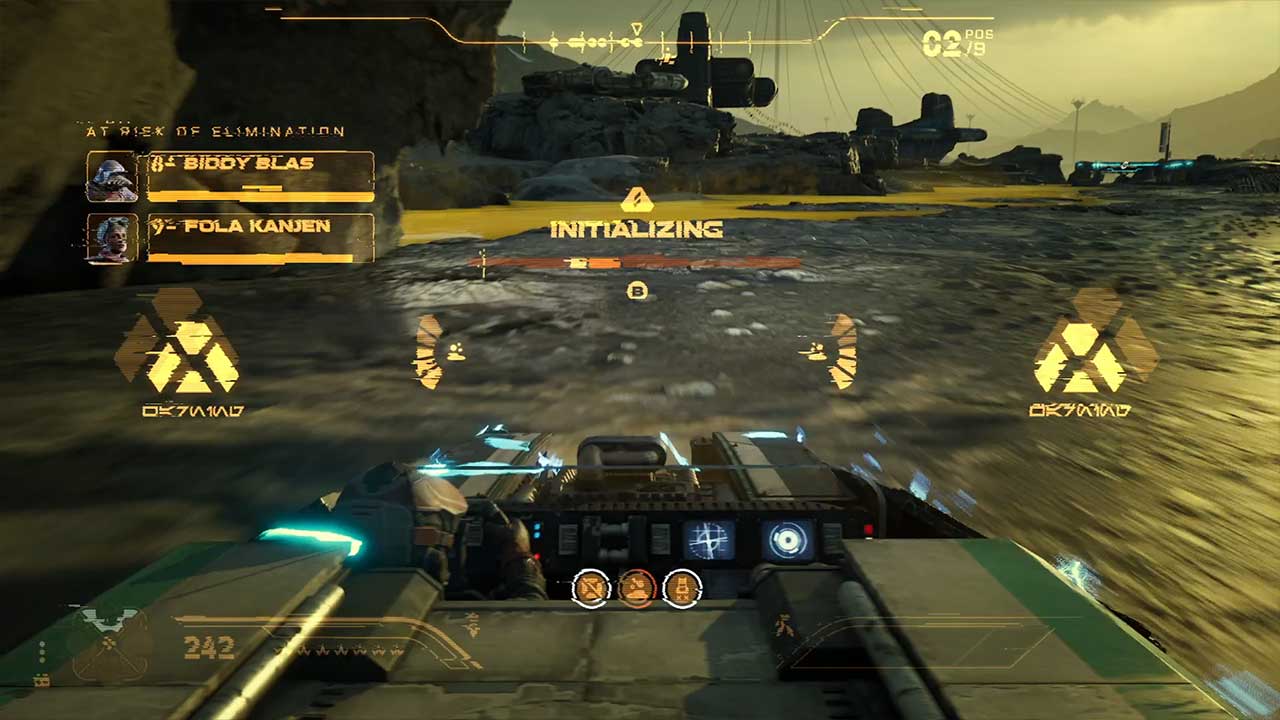
STAR WARS: Galactic Racer is a combination of a single-player sci-fi racing campaign mode featuring an original storyline in the New Republic era and a multiplayer online racing experience, both with a plethora of vehicle types and options at your disposal. The first half of the game’s plot is about a mercenary named Shade who takes part in the underground Galactic Races and take down its top racer Kestar Bool. He/she/they (you can customize your Shade at the start) has to also contend with 11+ other alien racers, each with their own quirks and grudge/wonderment against and for you.
How you progress through this campaign is rather unique for the genre. See, you start off with a league that takes you through numerous planets, courses, races, and event types, with branching paths leading to the end and final planet with the capstone event. In that race league, you earn upgrades and powerups, as well as credits to buy future items when you make your pitstop per planet. Whether you place first, get a podium finish, or end up last, you still continue on through the league, though you get less rewards if you underperform. However, if you crash too many times or get eliminated in certain modes, you lose a League token. Run out of those, and you have to start the league again.
Essentially the game is runs-based (dare I say a roguelite structure) and also eliminates all forms of save-scumming. There’s no way for you to retry a race halfway; you roll with the punches and the results, trucking on forward. In true arcade racing fashion, you have to really study the tracks and learn the ins and outs of your vehicles, as well as figure out which power-ups are best to fit your playstyle. Do you focus on resilience and take hits like a champ, or min-max for speed?
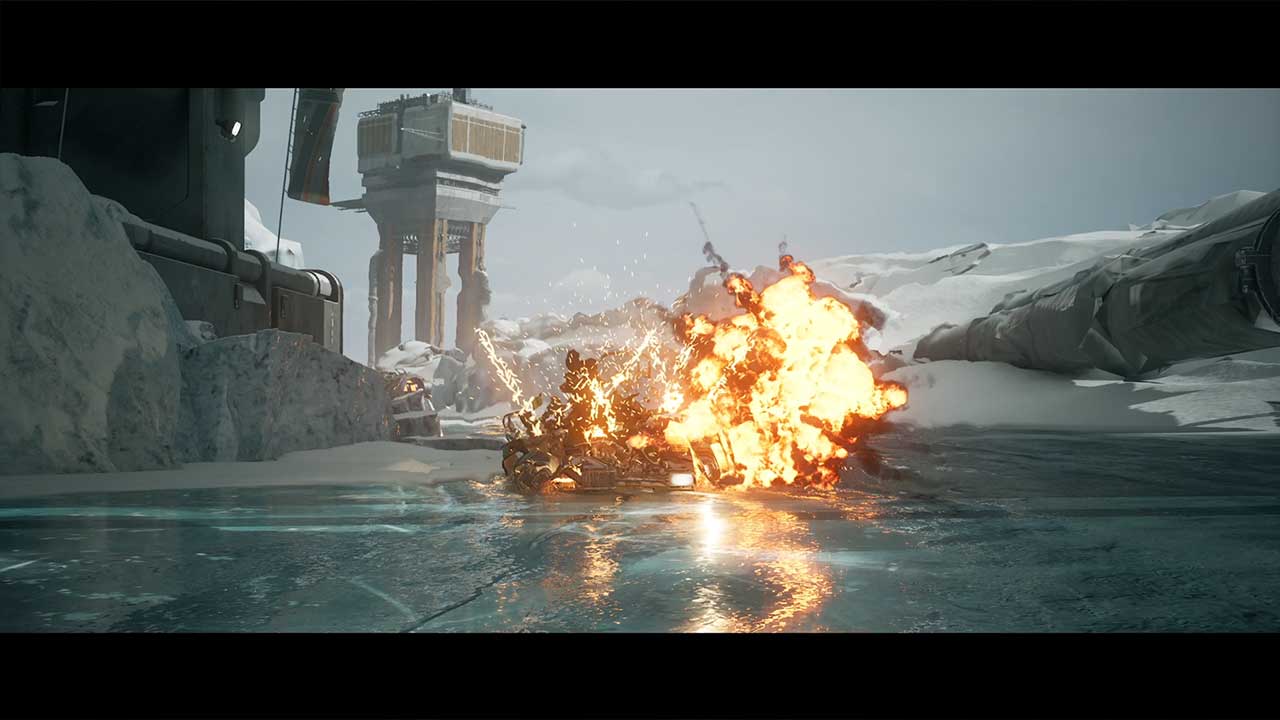
Speaking of which, STAR WARS: Galactic Racer is fast with a capital ‘F”. The game’s vehicles -Land Speeders, Speeder Bikes, and Skim Speeders- have two boost mechanics. The Afterburner is your standard nitro boost that depletes when you use it, and then refills automatically over time. The second is Ramjet, where you activate it and then boost for a prolonged period of time. When you stay in Ramjet mode for a while, you eventually start flaring up red and get in a Redline state. Your vehicle will eventually explode if you stay in Redline for too long, but you get big buffs if you do -massive risks for temporary game-changing rewards, essentially.
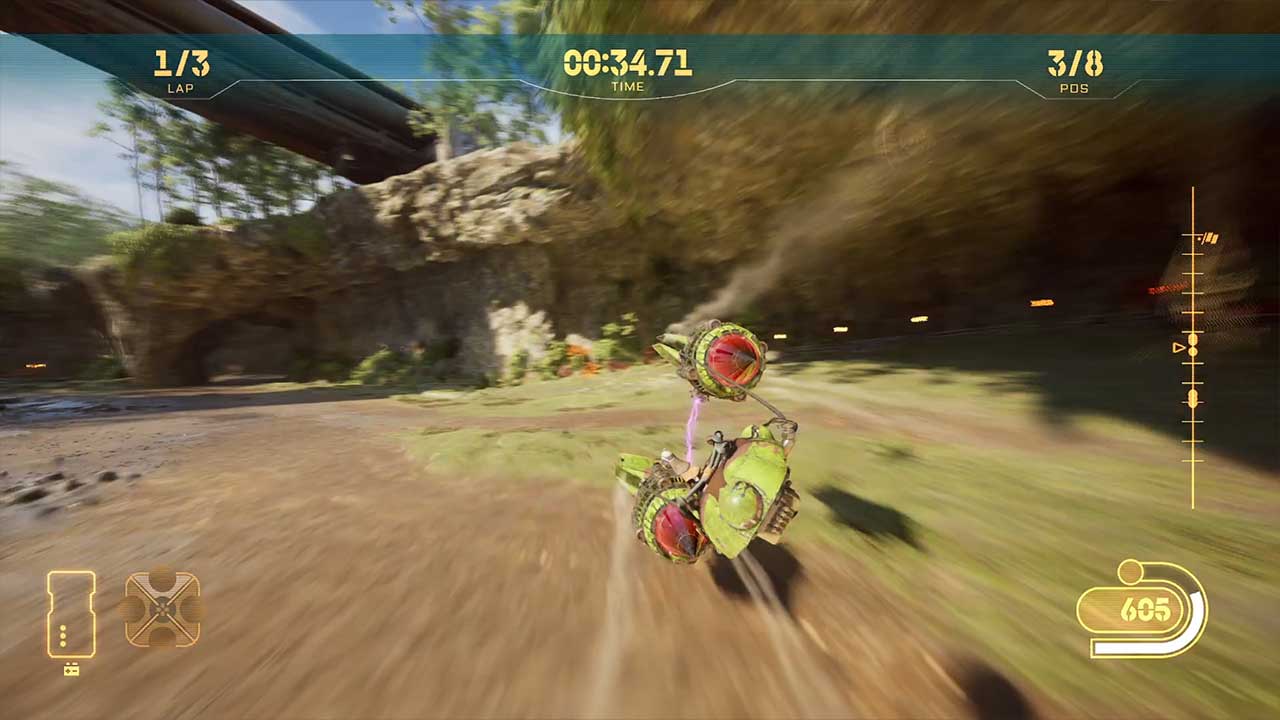
These two boost mechanics are essential for getting ahead in the game’s regular and higher difficulties, as the AI and difficulty ramp up from the start. The racers and the various courses you’re on spare no expense in making your racing life miserable, so it’s up to you in turn to get better with each loss. The game is built for you to crash and burn, and then get back up again all better.
See, you earn points after each league -win or lose- that let you buff your vehicles with permanent stat upgrades. After about 8 to 10 hours, you will eventually max out most of your three vehicle’s stats, bringing out their best and also gaining more insight to the tracks and race styles that are available. So even if you suck really bad at racing from the get-go, it’s OK: you’ll eventually get a powered-up race machine of death with all the advantages to get ahead, as well as gain other perks like racing styles (loadouts with different power-ups and active abilities like shields and jammers) and favours (game-altering perks and buffs for your current run).
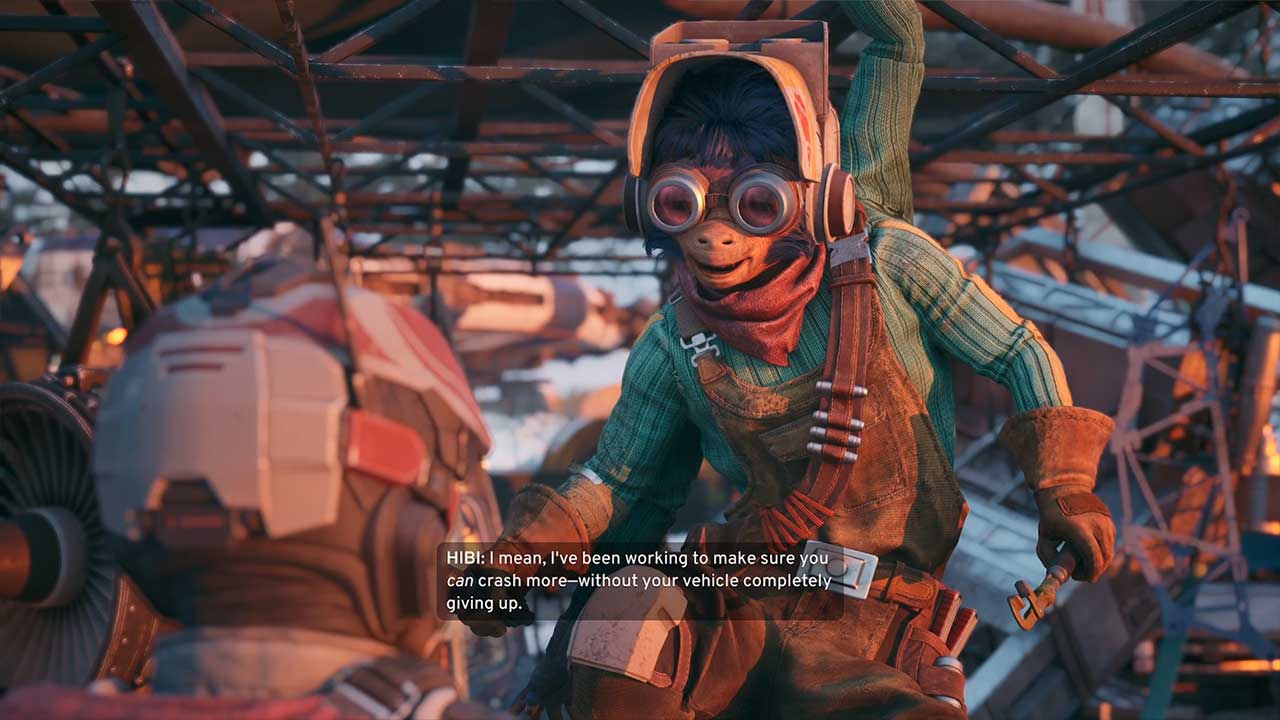
Each of the planets and their courses range from open-wide space-filled breezes to treacherous. Jakku is the beginner’s playground, while Ando Prime offers more wide spaces to drift and do corner turns but also have their controls scrambled by the cold (but also let you Ramjet longer). Crait deceives its racers with open spaces and beautiful clear white vistas to race on (similar to that one chase scene bit in Star Wars VIII: The Last Jedi) with claustrophobic cavern paths that will really wreck your day.
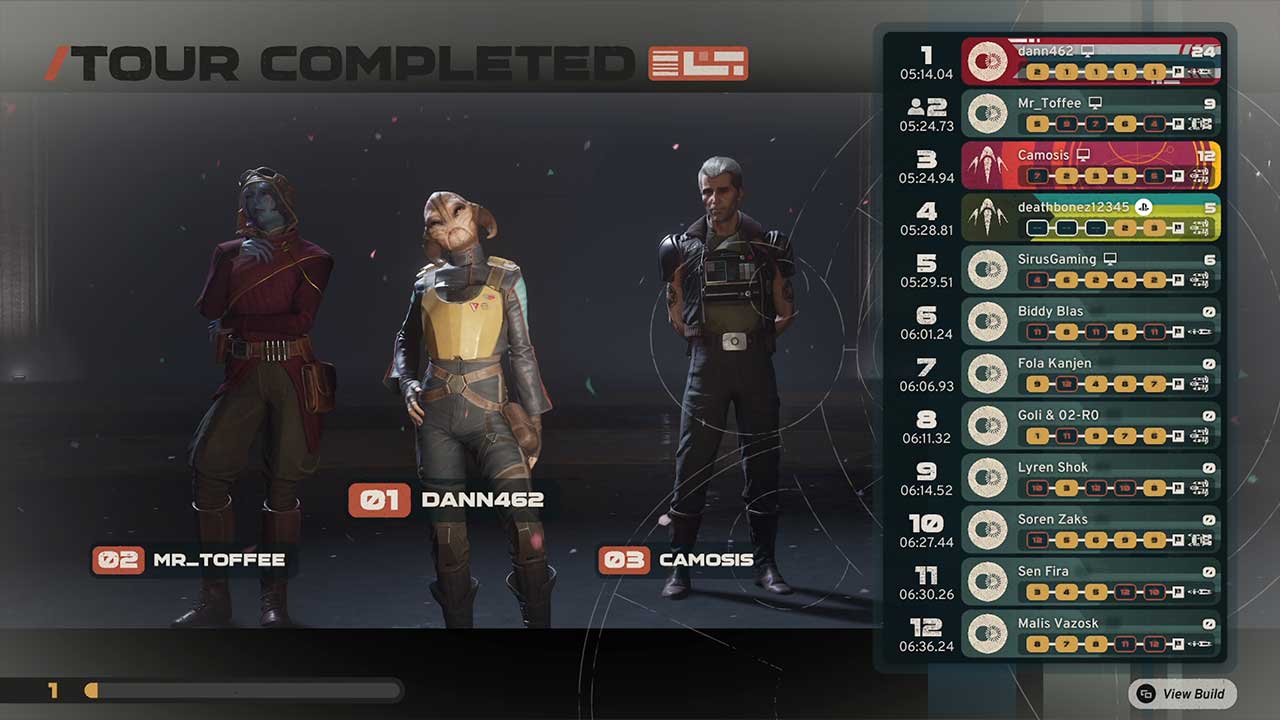
With all that and also Mission mode that lets you gain bonuses by playing as other characters with their trademark vehicles and racing styles, as well as Podracing challenges, there’s a lot to do even if you’re not inclined to go online and fight multiplayer. But if you choose to, there’s the standard Quick Race mode that lets you go at it quick, and the Multiplayer League mode which is the runs-based circuit like in the main campaign, but with real-life opponents. So far in my 1+ hour review period of the online mode in my Asia server neck of the woods, matches went by without a hitch. From Multiplayer League fights to a few Podracing quickraces, the fast-as-heck racing experience was buttery smooth and also proved that I may need more practice against actual opponents as I usually end up in the middle or last position.
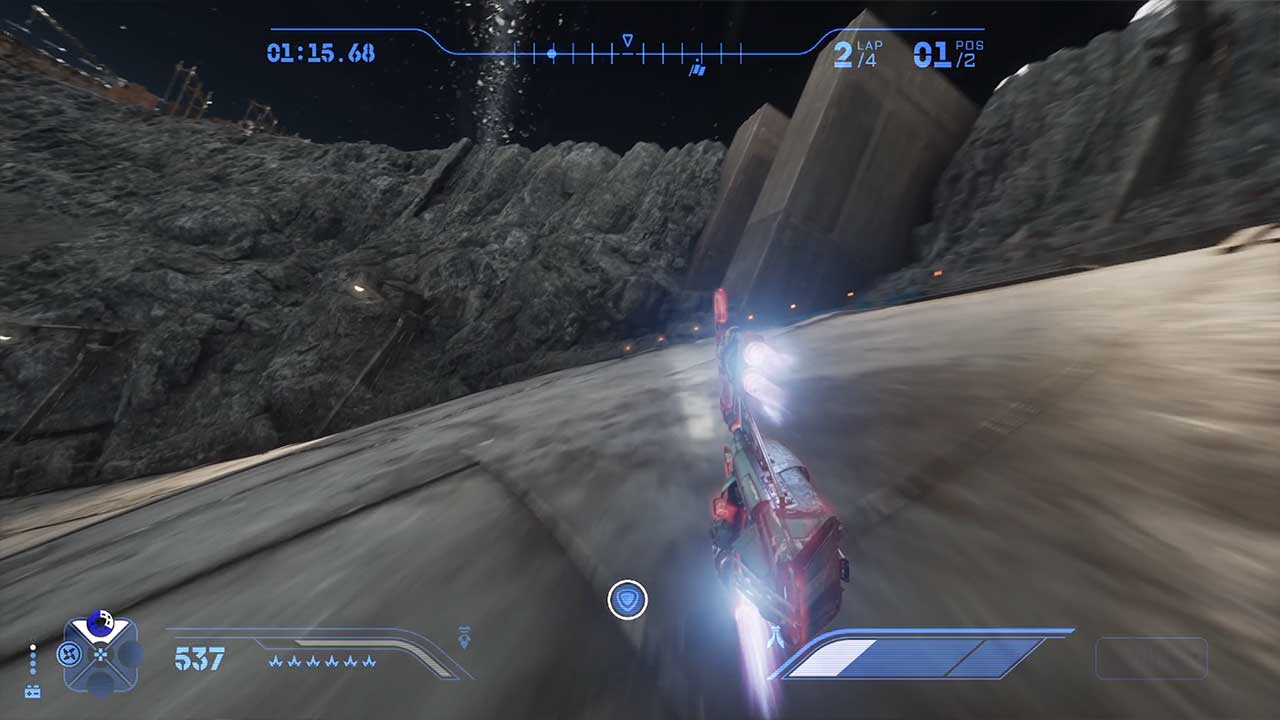
That all said, STAR WARS: Galactic Racer can be a bit too fast and its courses may need some tweaking to consider that. For the majority of my playthroughs, most of my crashes are attributed to blind spots on courses. This is clearly by design, as this is a rowdy and gritty street race-type futuristic setting where courses are haphazardly put together, but I do feel some of these crash spots seem cheap especially how fast your vehicles go. The game’s collision detection for vehicles are pretty unforgiving; one tiny scrape with your vehicle at full speed and it’s instant crash for you, putting you way behind the lead. This is how arcade racing games were back in the day, so this throwback to the old days may not be for everyone, forcing racing newbies to tone it down.
Oh, and some user interface text and bleeps do pop up mid-race smack dab in the middle of the screen, obscuring what would be in front of you as you’re careening through a narrow passage at super speed.
Slipstreaming Past Glory
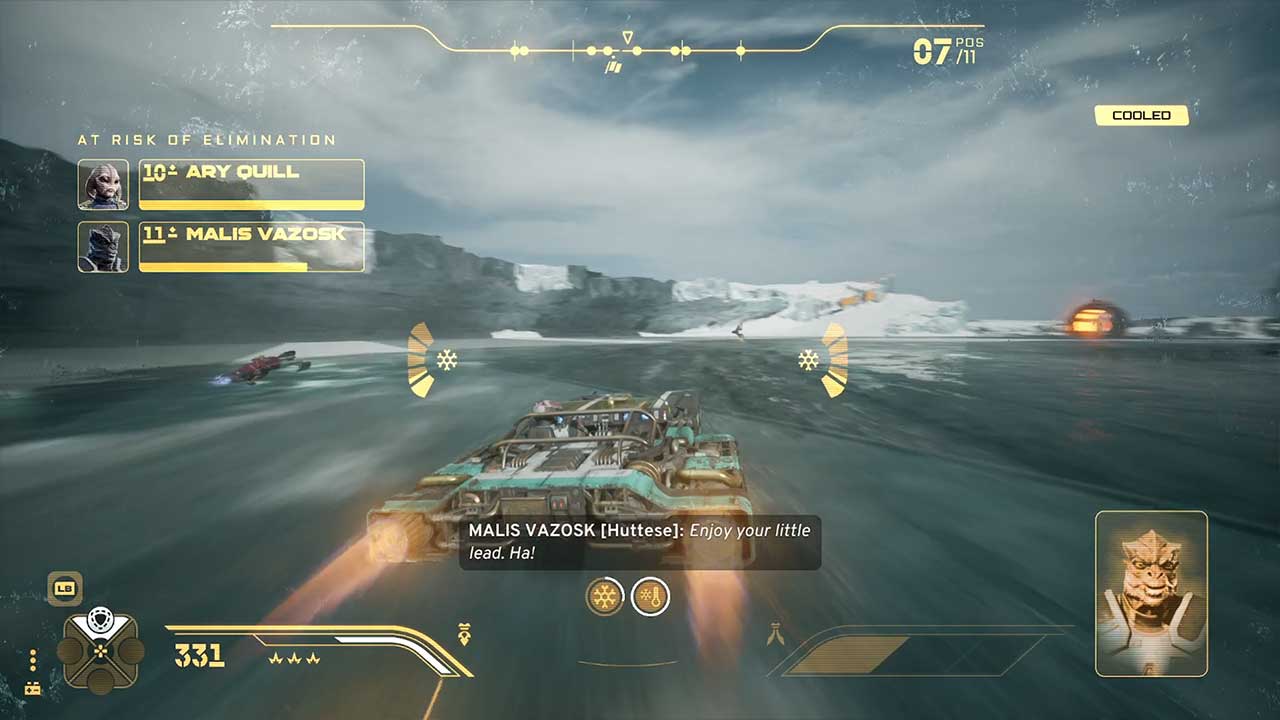
In all honesty, who needs an F-Zero and a WipeOut comeback when I already can get all my scifi racing jollies from Star Wars Galaxy Racers? Fuse Games and Secret Mode have concocted the secret sauce that makes this racing game addictive, replayable, and really fun. It also comes with a nice touch of Star Wars lore dropped and fleshed out for those who want more out of the series than the recent theatrical films could ever provide. It’s rather telling that not one, but TWO Star Wars video games handle the show’s story chops better than the last few films ever could.
But I digress: Star Wars Galaxy Racers is a VERY fast and furious racing good time if you would rather trade asphalt and wheels for landspeeders and crater-turfed race courses. Granted, it can be a tad intimidating with its runs-based no-holds barred approach and adherence to arcade racing speed, but there aren’t that many of these futuristic racing titles out there. It’s not every day you get a Star Wars racing game that has both a meaty single-player campaign and replayable multiplayer options, so revel in it!
Pros
- Fast-paced racing action with tight controls and fun gameplay.
- Replayable run-based single-player gameplay with a fun plot to follow.
- Fun multiplayer modes.
- Lots of customizability and upgrade options after repeated playthroughs.
Cons
- Unforgiving collision detection for vehicles & cheap blind spots in courses equals difficult experience for newbies.
- Some UI elements can obscure the screen mid-race.
Final Score: 80/100
Review copy provided by publisher.



Leave a Comment