
Raidou Remastered: The Mystery of the Soulless Army Review – Primetime Sleuth
Platform(s): PlayStation 5 (Version reviewed), PlayStation 4, PC
Genre: Action adventure, 30s-era Japan, Shin Megami Tensei spin-off
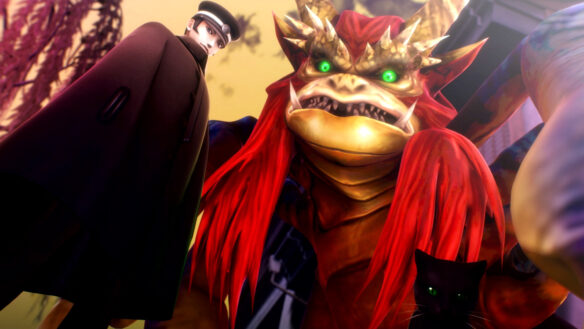
Back in 2006, Atlus tried their hand on a character action title using the Shin Megami Tensei brand, and came up with Devil Summoner: Raidou Kuzunoha VS The Mysterious Army. A mouthful of a title, sure, but it was a unique take on the hack-and-slash genre as it allowed you to summon a demon (from magic test tubes in your pocket) to accompany you as a support, as muscle, or as a sleuthing buddy in the adventure/exploration portions as you discover the mysteries of said army & kidnappings in 1931 Japan during the Taisho era.
Unlike its contemporaries, this Devil Summoner spin-off is a lot more light-hearted and brevity, though it has its fair share of dark moments and body horror as you would a Megami Tensei title. Unfortunately, this and its sequel with King Abaddon faded to obscurity as it was a niche title catering to SMT die-hards like yours truly; it wasn’t mainstream enough despite its more accommodating appeal.
Atlus and Sega are giving the first entry another chance thanks to the power of remakes, and this one deserves every bit of love from every Persona-loving and RPG-loving fan out there, even action game aficianados who loved the PS2 era littered with the hack-and-slash genre filled with titles of various (and dubious) quality. There are enough bells and whistles to make this a full-fledged new title tacked with not-so-high price tag, but I’m getting ahead of myself.
Devil (May Cry) Summoner
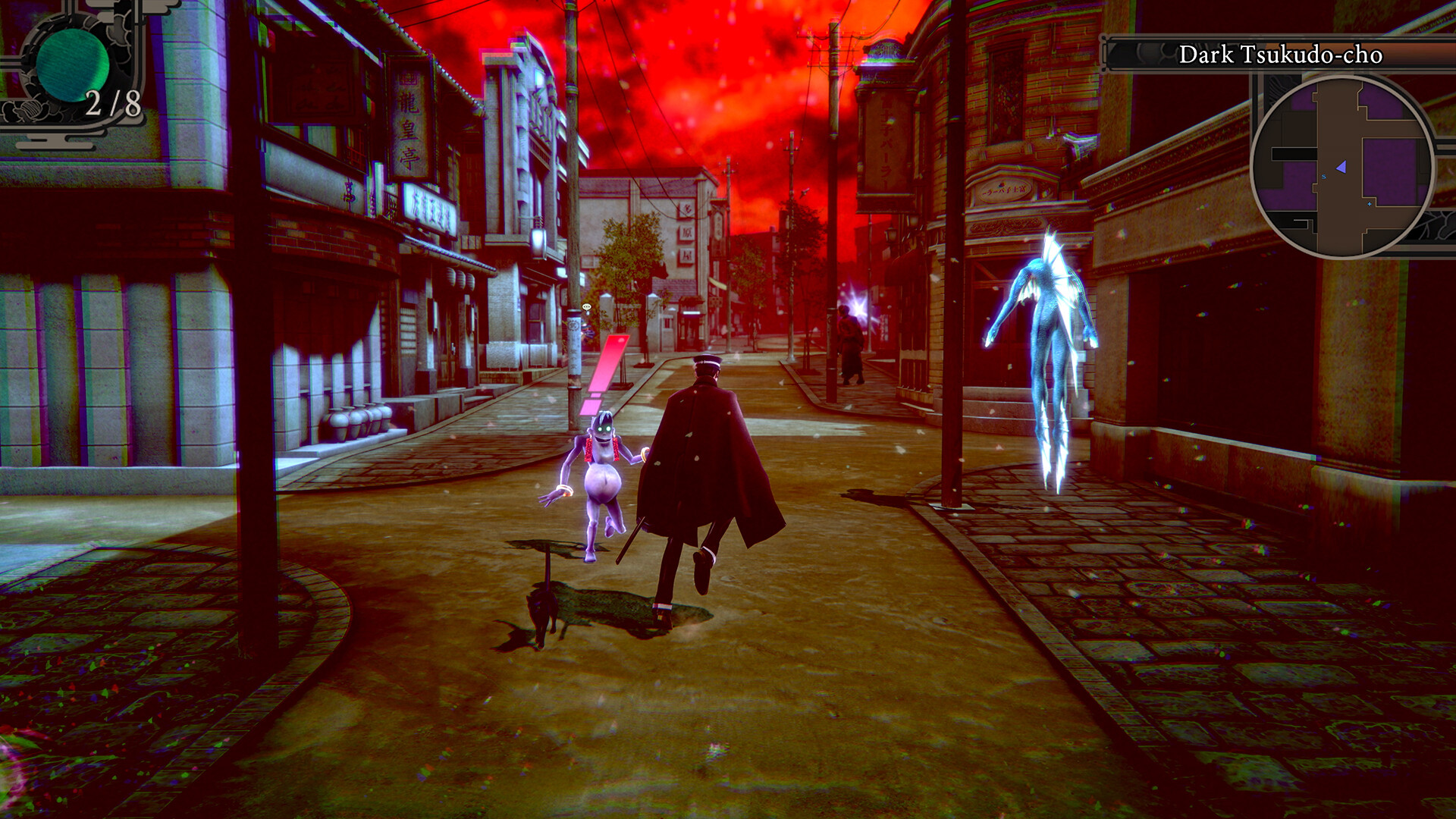 Raidou Remastered: The Mystery of The Soulless Army -a much better title than the previous mouthful- pits you as the 14th Devil Summoner under the Raidou Kuzunoha moniker, as you’re tasked with defending the capital of Japan. Since you’re helping out a detective agency led by slacker Narumi, you end up taking supernatural cases, with the big one involving a missing girl named Kaya Daidoji, demon possessions, people turning into creatures called Red Capes, and loads of spirit mumbo jumbo that fits a Shin Megami Tensei title. Like I said before, this particular narrative is peppy and full of colour, less dread and somberness when compared to the mothership titles.
Jazzy music and rockin’ fun guitar combat melodies are abound in the soundtrack from Shoji Meguro, with high-definition graphics reworked from the pre-rendered backdrop-with-minimal-3D from the 2006 title. The added voice work for all major story dialogue in the game also ups the presentation by a heckaton; they’re all done well from the laidbackness of Narumi to even that one shrubbery demon who changes voices from fierce to comically midget-like.
Everything is made better visually and user friendly; apart from changing your difficulty on the fly, you can fast travel quick (if you have cash), for one. When solving capers in the adventuring portion, you don’t need to summon the correct demon for the job. As long as they’re in your inventory, the correct solution will pop up. If not, just fast travel to demon fusion guy Victor and his Goumaden lab to get that sorted. Buying demons you already registered is also pretty affordable. The added benefit of quicksaving and autosaving also helps too, as there will be times that the game’s difficulty and cheapness will blindside you; more on that later.
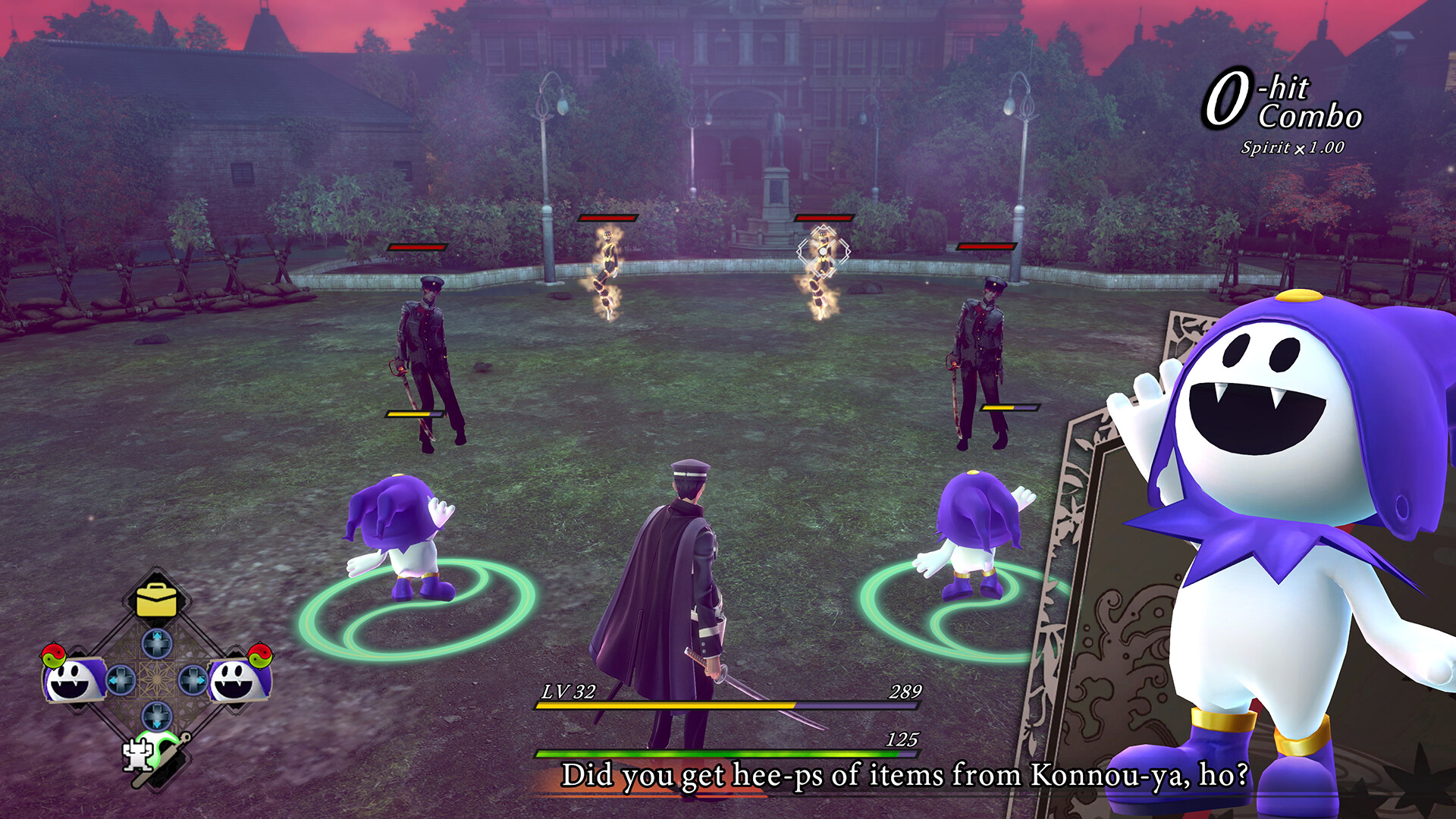
Unlike the original, there are no random battles here. Enemies will pop up and you can engage them whenever, unless they chase you down. There are Aril Rifts you can fight in; killing enemies in this pocket dimension will net you more experience and money. It’s a great change as the 2006 original’s random encounter rates are obnoxious to the point of irritation, and disrupts your exploration.

As such, all fights are a lot more involved here, and arguably tougher. Raidou can attack with his sword, use his gun, unleash special Summoner sword attacks, dodge roll out of danger, block, and jump out of the way (like good ol’ Dante from Capcom’s influential crying devil action title). He also can summon up to two demons to fight for him; they act as either his assists or muscle; all AI-driven and smart on their own. While Raidou can hold his own at times, the game will throw tons of enemies and waves at you, forcing you to switch between demons for the right job and exploiting their weaknesses as you would an SMT title. If you hit a fire-weak enemy with your Pyro Sign sword attack or have your demon ally throw an Agilao spell, they get stunned momentarily and take double damage from your team. Did I also mention that Raidou has a Super Meter attack that deals mega damage to everything on-screen? And can also buff up his sword at Victor’s lab into different attack styles like polearms or axes for added effect?
The bad guys won’t make it easy for you, of course. They can also exploit your demon ally weaknesses. Most bosses will also put you through a slew of hard-hitting attacks that require you to dodge or jump over, while also safeguarding your demons so they don’t get killed outright. And then you have the PS2-era cheap shots; fast non-telegraphed one-two punches that take out almost your entire lifebar, endless bullet hell while being invincible, and fakeouts with punishing counters if you’re not paying attention. These challenges are both a good and bad thing; old-school players may appreciate it, but newbies who want a more action-focused Megami Tensei title might balk at the second half which has absurd character action moments that require some grinding and investing in expensive sword upgrades.
It can get old fast even with the quick pace of fights and the streamlining of battles whenever you please. Personally, I’m a fan of these changes and the fact that you can have two demons helping you out, with the game’s challenge tailored for that and Raidou’s new mobility and dodging options. That said, the controls can take some time getting used to, particularly the invincibility frames of the dodging. I usually can land and evade most of them to activate Raidou’s counter, but later bosses and big enemies seem to be tougher to deal with and require more practice on my part. Or maybe Atlus is following the jank formula from From Software and making the game tougher than it necessarily should. At the very least, the aforementioned accessibility options & quicksave/autosave features lessens the burden, with a retry just a button-press away.
Clandestine Caper
Raidou Remastered is a fine remake of an underrated PlayStation 2 action title involving the Shin Megami Tensei demon-summoning brand. New players will enjoy what’s in store though they shouldn’t expect a Persona game. Veterans will appreciate the many, many changes that make the combat challenging and fun, as well as the new look and voice acting. Let’s also not forget the New Game+ option you get that brings in all your collected demons! Consider this case solved and filed under “well-deserved”, even if some of its fighting can get spotty in the latter half. While some veterans may prefer the slow pace of the original, I find it incredibly hard to go back to the 2006 version when this new shiny one just outranks it in most aspects.
Like I said, case closed!
Pros
- Faithful graphical remastering.
- Fun soundtrack & lovely voice-over work.
- Cheery pulp-style detective storyline with enough of a dark edge.
- Great combat system that leans towards the simple-yet-fun side.
- Veterans will love the changes in this 2025 remake.
Cons
- Dodging & evading to get special counters is still tricky.
- Grinding can get repetitive despite quick pacing.
- Cheap boss tactics and huge life leads from elite enemies.
Final Score: 80/100
Review copy provided by publisher.


Leave a Comment