
Dragon Quest VII Reimagined Review: Fractured But Whole
Platforms: PlayStation 5 (version reviewed), PC, Nintendo Switch
Genre: Japanese RPG, Remake, Retro
I love my Japanese role-playing games, but I am not a fan of the Dragon Quest series. This makes me the perfect person to review the latest remake of the seventh title; hear me out.
I played enough of these games during the PS1 era of gaming (mid-to-late 90s) to know that (a) Enix is just doing their version of Ultima, Wizardry, and Might & Magic but with Akira Toriyama artwork and with music made by a public war crimes denier & homophobe. And (b) Japanese audiences really love their old school turn-based fighting & spellcasting computer role-playing games, given how popular the Dragon Quest series is.
More power to them, but I play RPGs and JRPGs to experience how they can evolve, not regress and stagnate while wallowing in old-school trappings for the sake of them. That’s why I’m in the Final Fantasy camp more than Dragon Quest.
But I do keep an open mind and try out what the other side is cooking at times. Dragon Quest VII was the series’ sole 32-bit entry which I did play back in the late days of the PlayStation 1. It was as classic as you can get with an RPG of its ilk, and frankly it looked like dogshit. Even in 2000, it doesn’t age well when compared to other RPGs that pull off the 2D/3D hybrid effect well like Xenogears. Its pacing glacial and archaic even for a turn-based RPG with mandatory 90s era grinding, levelling, and fetch questing, and it’s no wonder only die-hard Dragon Quest fans were the only ones on it when other normal people were playing Final Fantasy IX.
Again, I do keep an open mind and am aware of the series’ fanfare. I do think Dragon Quest IX is the best of the lot because it genuinely is trying new things while retaining its old-school gameplay. And I do believe the Dragon Quest HD-2D remakes as of late are the right step forward in getting both new and old JRPG fans into the series instead of having them suffer through the archaic NES and PS1 versions. If any of the Dragon Quest games can get a non-fan like me on board, that’s a clear indicator the series is doing a good job in making a better product when against its competitors.
Unsurprisingly, Square Enix knew remaking certain Dragon Quest games will make them a lot of money; it’s a series that makes money after all. So why not take the PS1 entry and just make it better? They did it once with part 7 for the Nintendo 3DS, but who the f*** played that version? Enter Dragon Quest VII Reimagined, an outdated PS1-era JRPG made better out of necessity and for making the first-ever PlayStation 1 Dragon Quest entry relevant for current audiences with short attention spans. Did it make me rethink my stance on the archaic series? Well…
The Fisher King
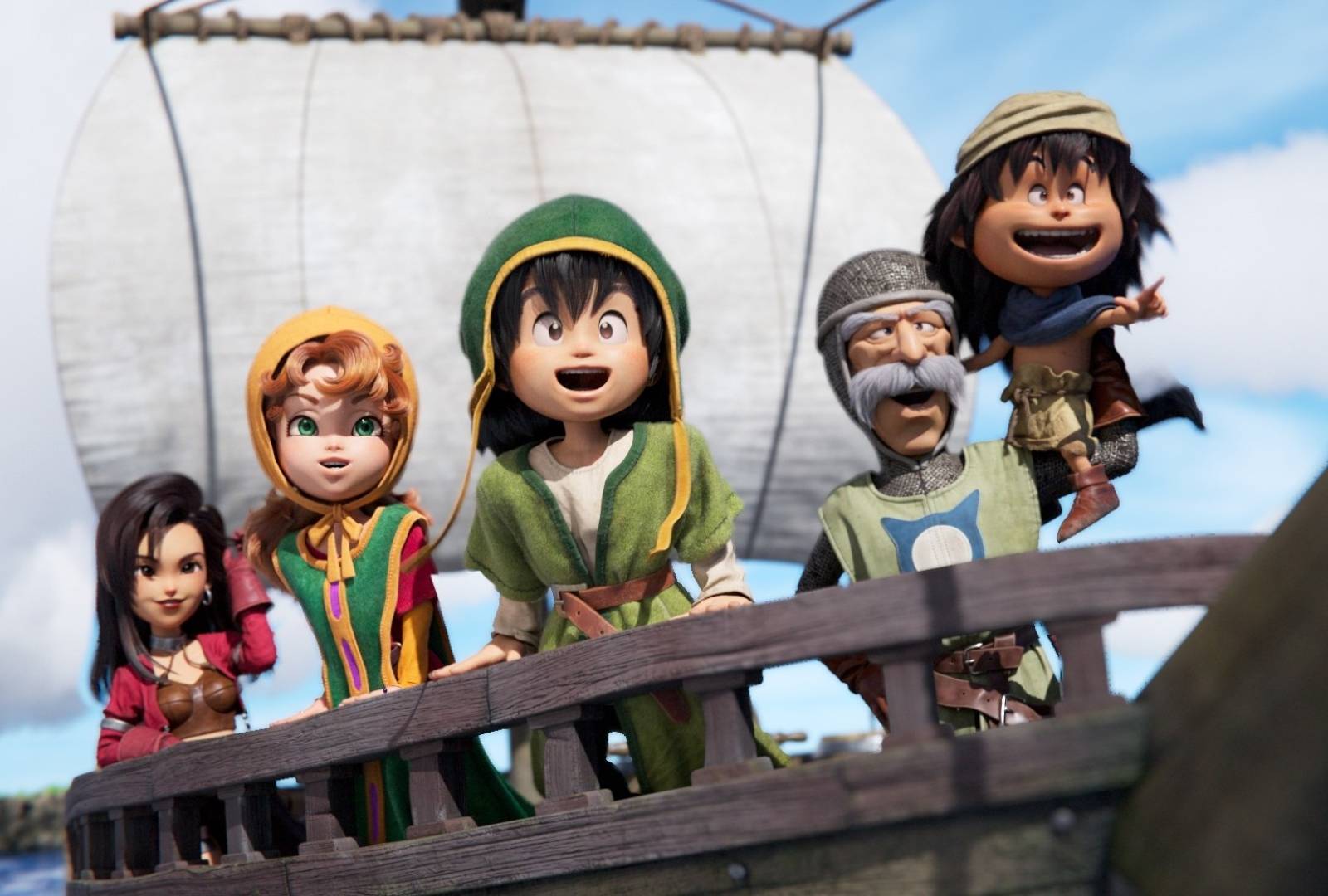
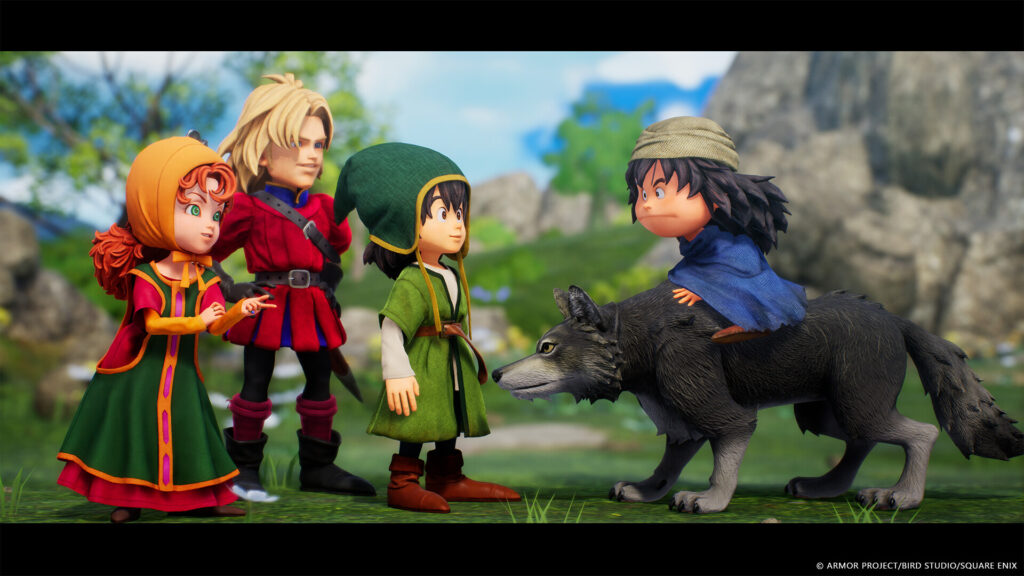
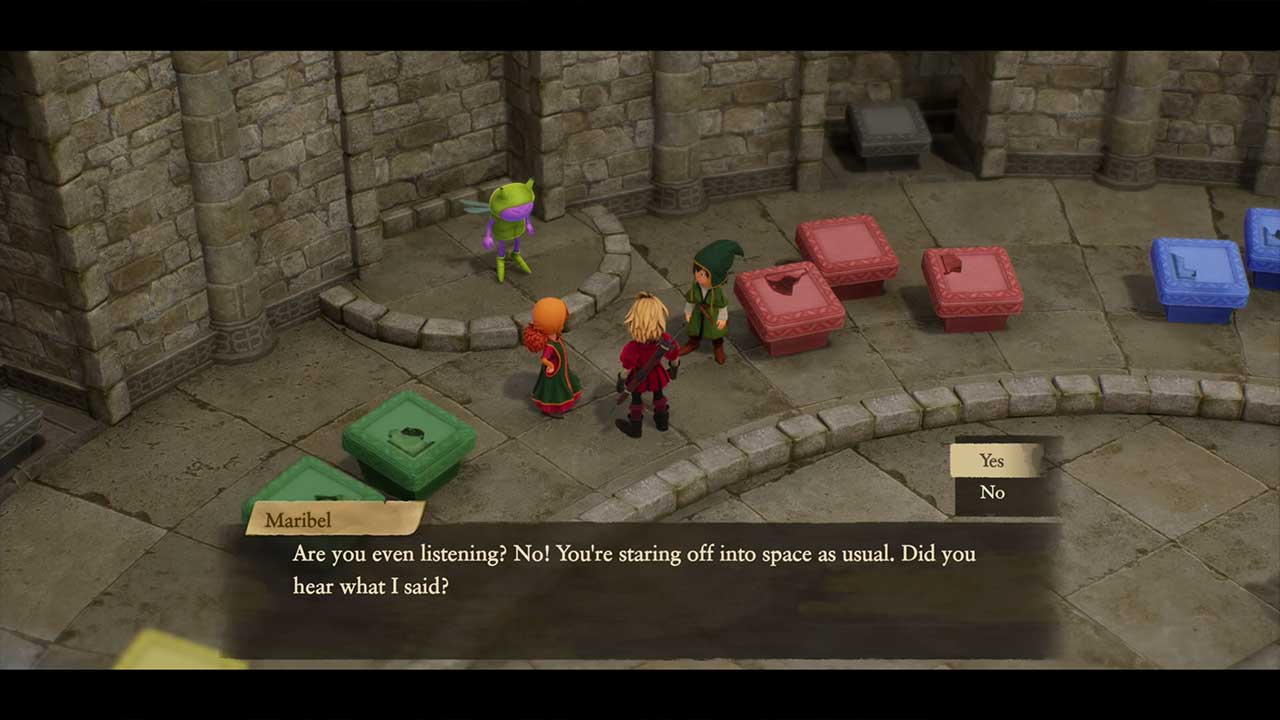
You play as the son of a fisherman on the island of Estard, with your friends Prince Kiefer and Maribel the mayor’s daughter at your side. Through a stroke of fate, you end up finding a mysterious shrine that houses tablets that, when combined from pieces found all across the continent and world, will bring you to the past. These “episodic” adventures usually have a main problem your young band of adventurers have to sort out in order to head back to the present. Once that’s solved, that island in the past emerges in the present, opening up more areas to explore and housing more tablets to discover. Pretty soon, you’ll be uncovering the rest of the world, meet new party members, say farewell to a couple, and find out the real reason the world is fractured as such.
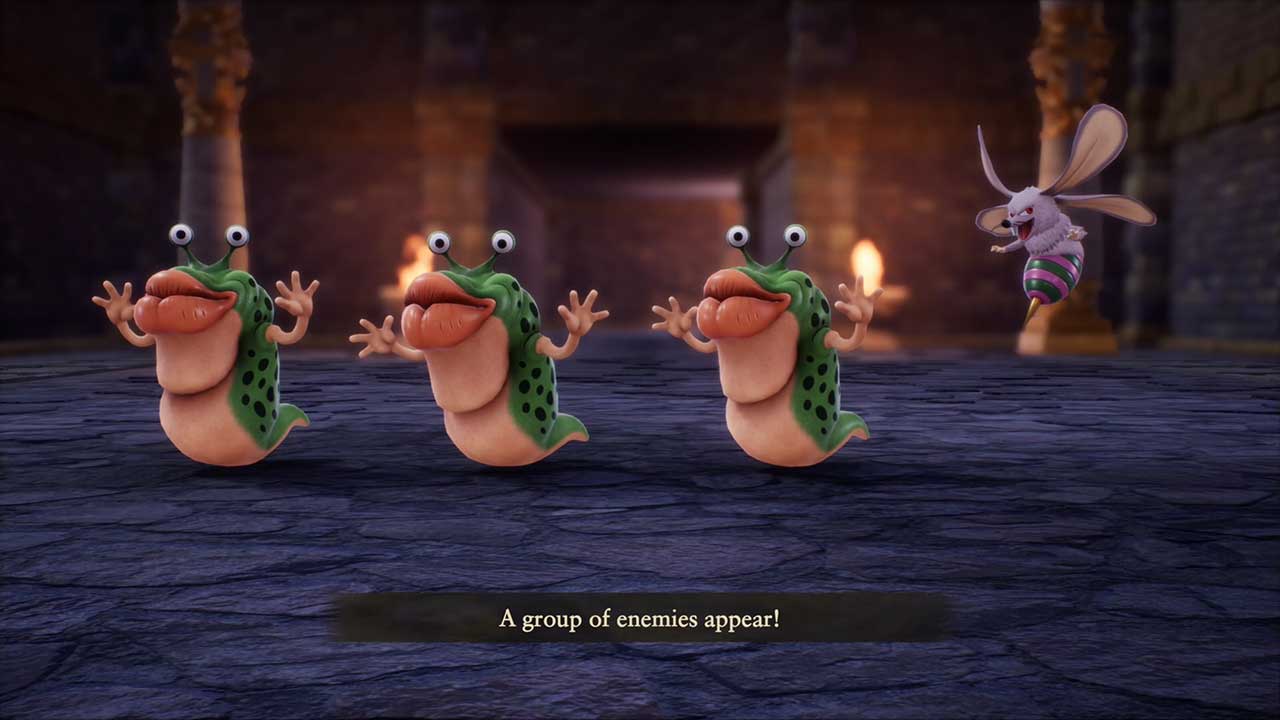
Narratively, it’s a slow burn by today’s standards, but compared to the original’s 90 hours-or-so of main questing, this title is only 30+ hours or so on default speed and combat settings. Everything is reworked here: enemies are on display and roaming around on the world map, random battles are reserved for ship travels, all info is available when in turn-based combat mode, the game is fully in 3D and is similar in scope with Dragon Quest VIII and XI’s aesthetics; fitting given its length.
There’s a ton of options that help speed up combat and dialogue, as well as dish out more experience and money for rewards while you’re out turn-based combating and exploring dungeons. You can argue that tweaking the in-game settings rob players of the classic Dragon Quest experience, but it’s all optional; nobody is forcing you not to play it in casual mode. I love getting immersed in JRPGs, but if I have real life getting in the way, sometimes these options go a long way in making your classic adventuring all the more fun.
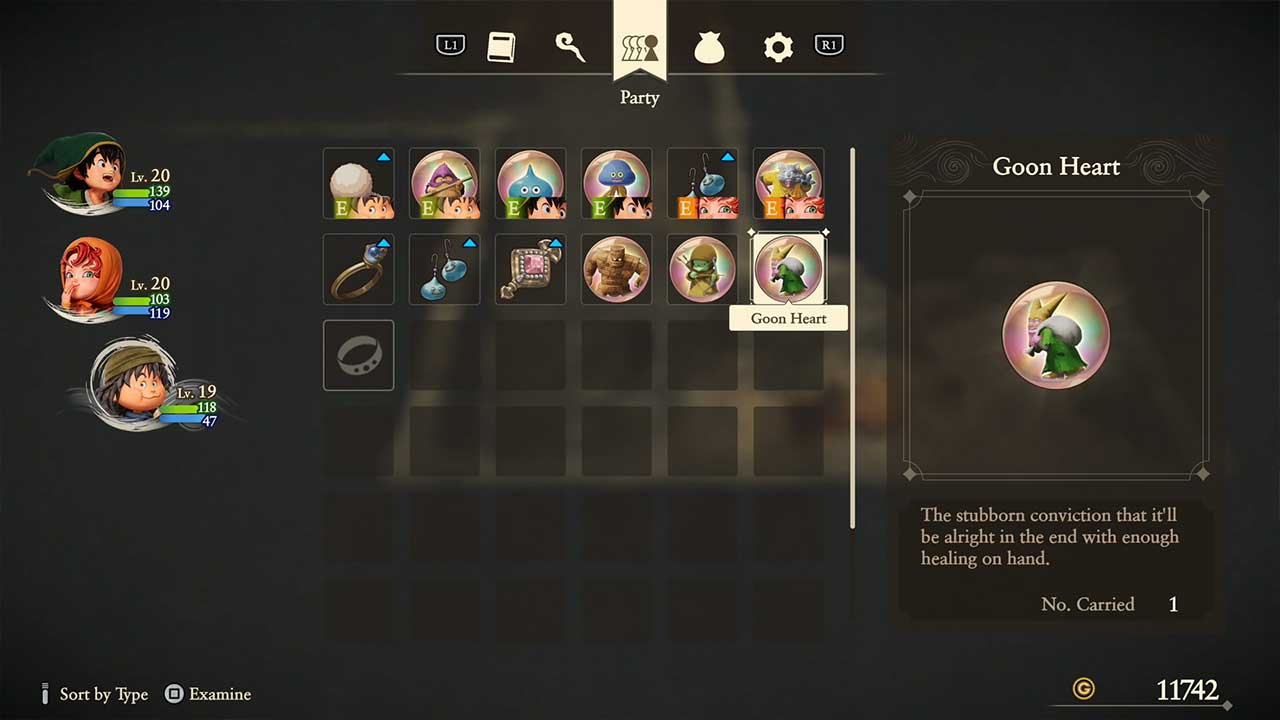
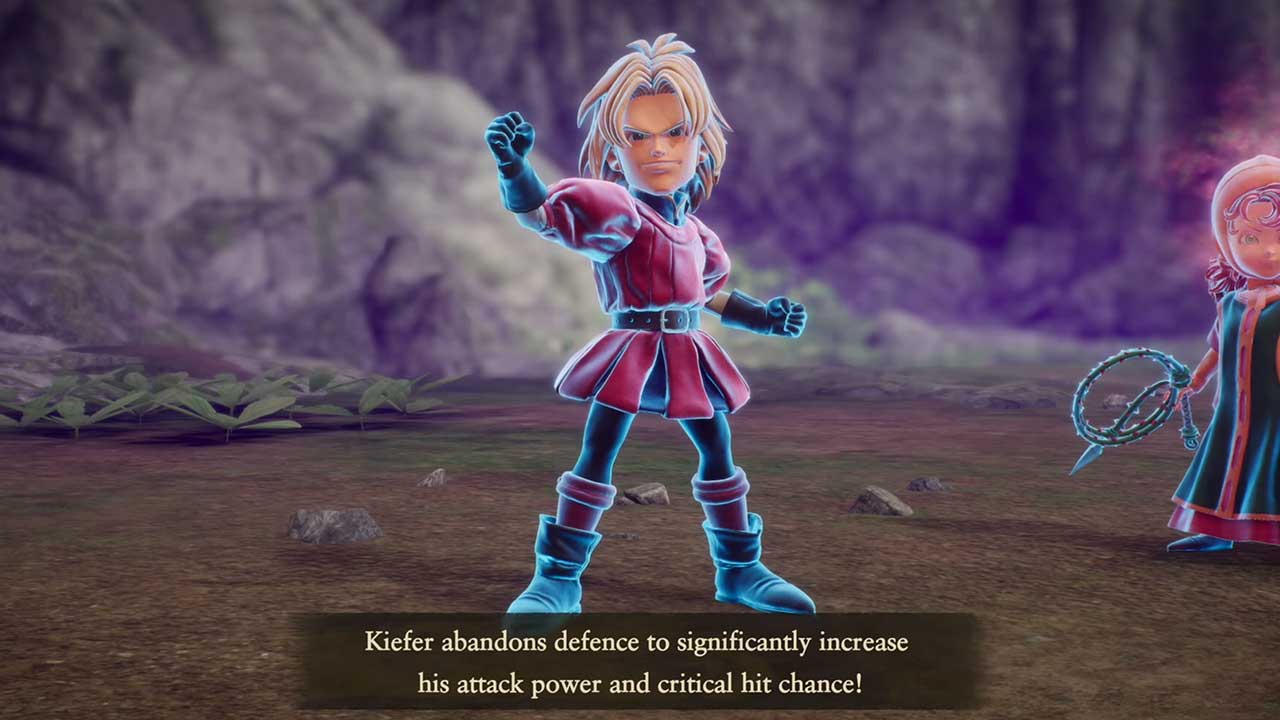
Your characters have designated roles and jobs, but you can switch them around using the Vocation system. If you rather have Maribel be better at spellcasting, just change her job to a Mage, while turning your other characters to either a Martial Artist or a Sailor for fast-hitting attacks and buffs respectively. Switching Vocations and moonlighting are intuitive and easy to do, and gives you opportunities to mix and match skills for future tough battles.
In addition to equipment, you can also obtain “monster souls” to buff up your party to have certain skills, or just have better passive stats. On the flip side, the game’s slow-burn pacing means you only get the goods after 10 hours in. It’s a slight improvement over the original’s 20 hours to get to Vocation-switching, so there’s that.
An Oozeful Of Fun
Square Enix and Hexadrive did a great job in making a definitive and current version of a 2000s PlayStation 1 late-to-the-party JRPG. Its archaic sprite graphics & combat are upgraded tenfold, its story a lot more streamlined to not go overboard with its unneccessary 90+ hours playtime, and so many options to make it either cozy or hardcore to your liking.
Much like past Dragon Quest remakes the past few years, the seventh mothership game truly needed it as it’s a tough game to go back to in its original form, as underrated as it is in delivering that sweaty old-school JRPG experience that stays true to its roots. Old-school fans will find some nitpicks and grievances (like some unchangeable bits catered to current-gen players), but they’re just a vocal minority who have the means to go back to their old-ass PS1 copies of their beloved-yet-obsolete entry.
Coming back to the previous question: did it make me rethink my stance on Dragon Quest as a whole. It didn’t change it outright, but I still respect what it’s doing. Square Enix and co. knew the flaws of the PS1 Dragon Quest game and are making amends with this reimagining. At least its efforts are on par with the results, which is more than I can say for most remakes the past few years.
Pros
- Nice graphics & aesthetics.
- Streamlined story & gameplay flow.
- Customizable combat with short-but-sweet vocations/moonlighting system
- Makes the PS1 game obsolete.
Cons
- May not gel with some Dragon Quest purists.
- Fetch quests can get tedious even with current improvements.
- Rearranged music source is from Japanese war crimes denier & homophobe.
Final Score: 80/100
Review copy provided by publisher.
Leave a Comment