
Everhood 2 Review: Strange Brew
Platform(s): PC (version reviewed), Nintendo Switch
Genre: Role-Playing Game, Rhythm, Retro
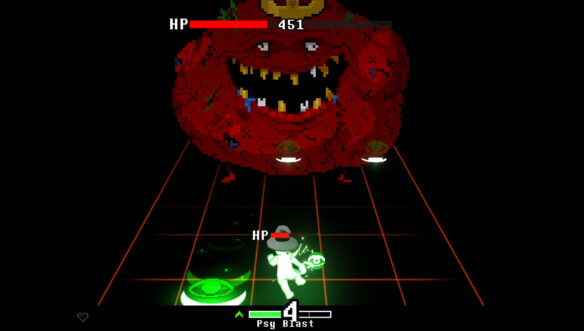
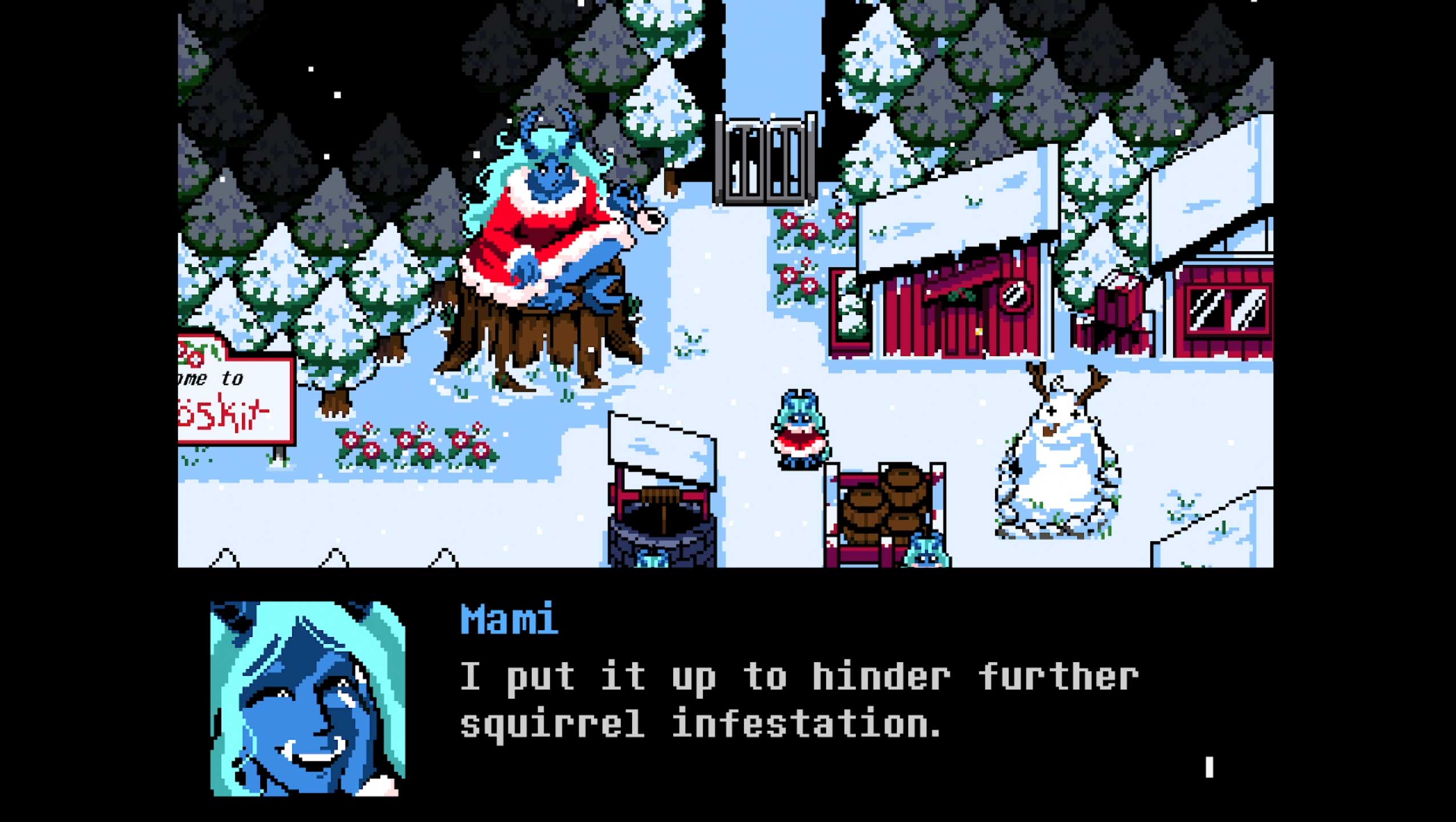
Everhood 2 is what happens when you mix a 90s Japanese role-playing game with trippy graphics & aesthetics with a music rhythm game. Sorta. You play as a coloured Soul who has to go through what is known as the Everhood, a hodge-podge of strange locales and places with different agendas. If you’ve played classic games like Undertale, you can expect the same kind of aesthetics and trappings in Everhood 2, but 10 times trippier and LSD-laced thanks to the game’s deft use of mixing 2D and 3D graphics.
You’re given a vague task of searching for your soul weapon, leveling up to defeat a dragon, and then braving through the concept of Pandemonium with a group of like-minded anthropomorphic friends who can dimension-hop like you. There’s a lot to unpack in the story that requires repeated playing, and if you know your retro games, you may need to do that in the last third of the game, meaning a ton of padding to get to what seems to be a conclusion.
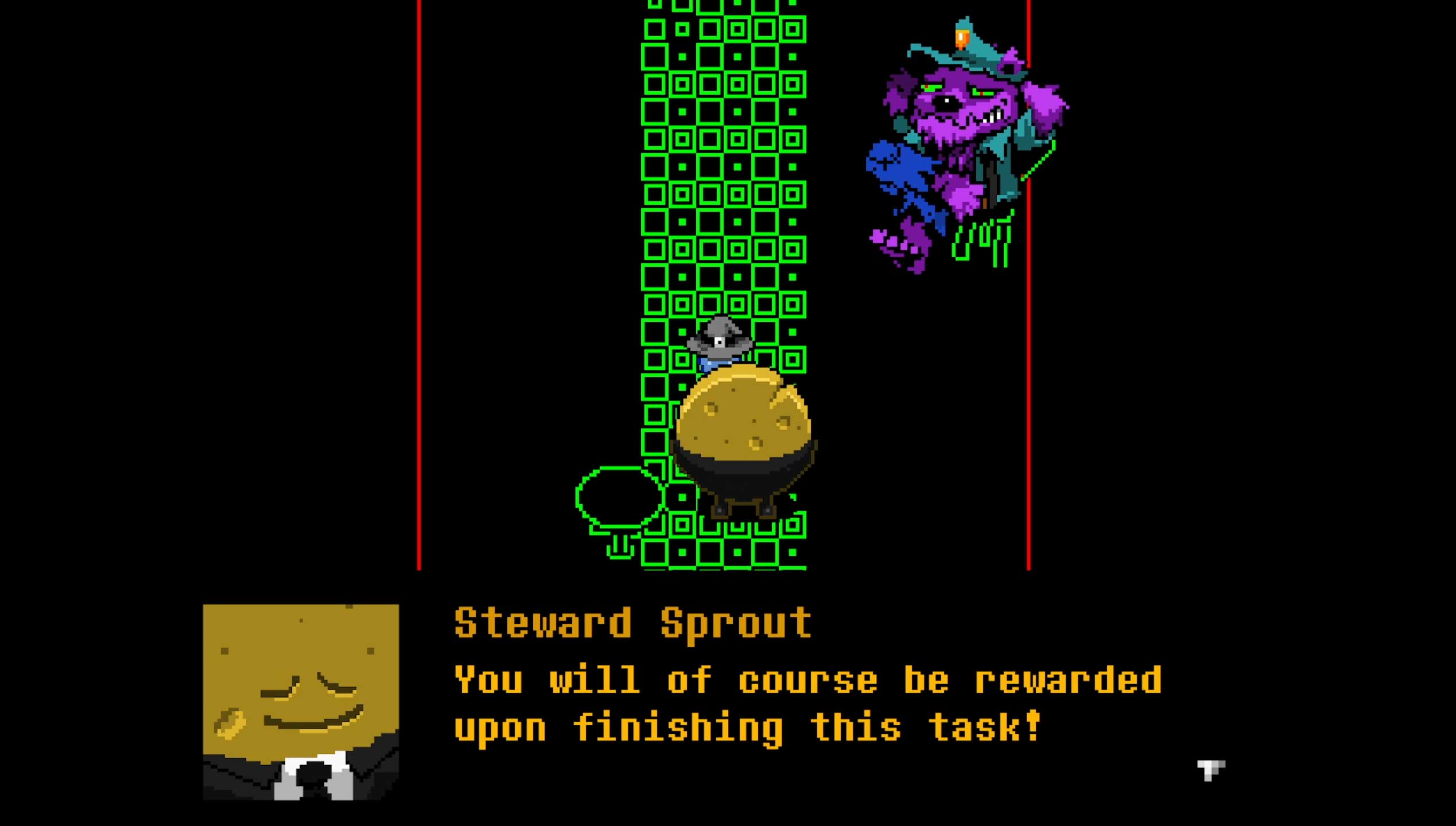
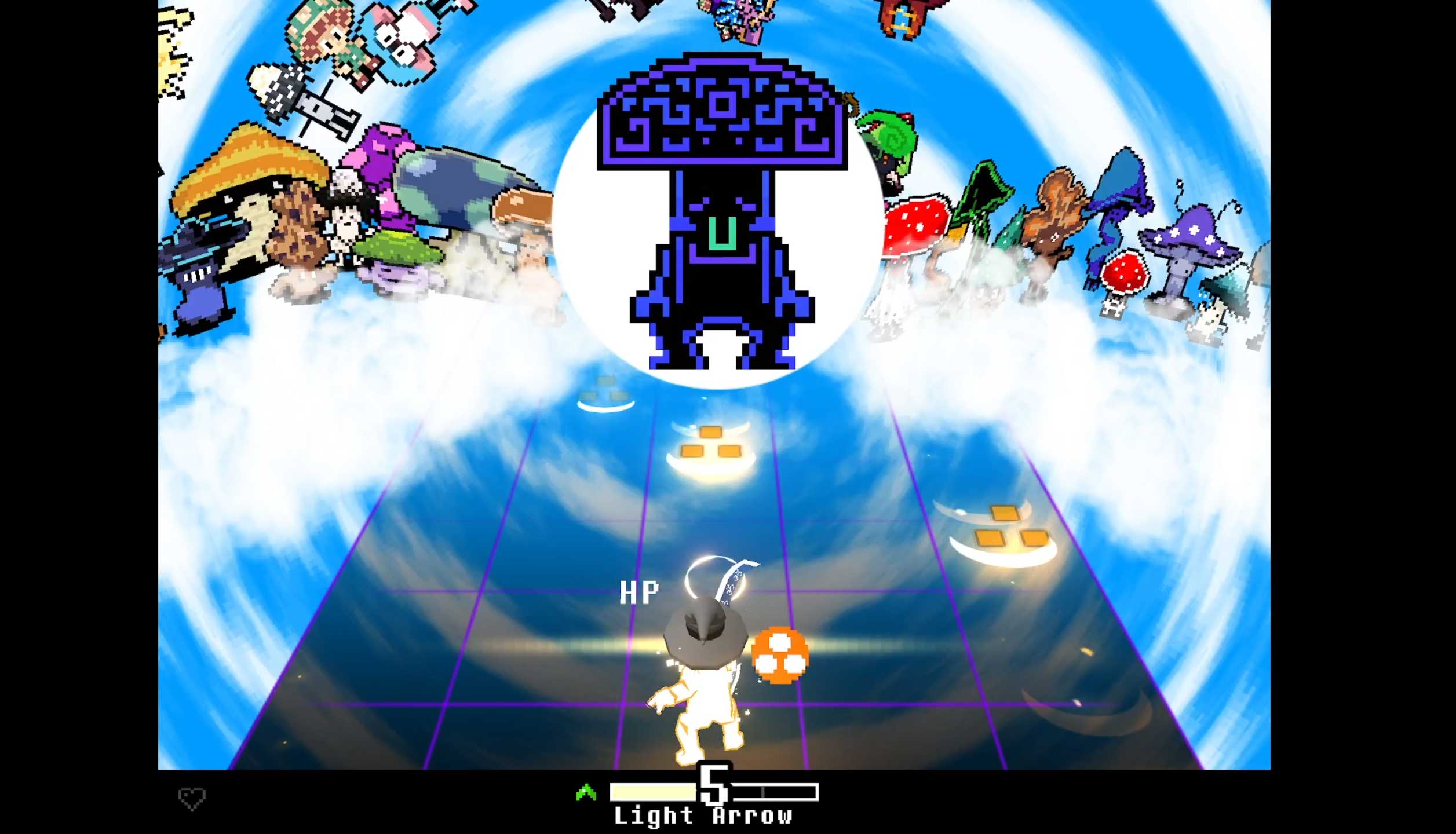
I’m trying to weave around spoilers, but even if I were to tell you some of its scenarios & acid trip dimensions, it’s best you experience it for yourself. You’ll visit misty islands, mushroom dance floors and disco clubs, a kingdom run by vegetables, a hotel that takes you to different rooms with their own unique spaces and voids, and a room that reminds me of the final dungeon in the first Final Fantasy; the one with the mirror and glass floors and stairs. It’s a smorgasbord of ideas and concepts, with the game’s lucid narrative just tethering you in to its mad world while keeping you locked in with its addictive rhythm gameplay.
Musicbound
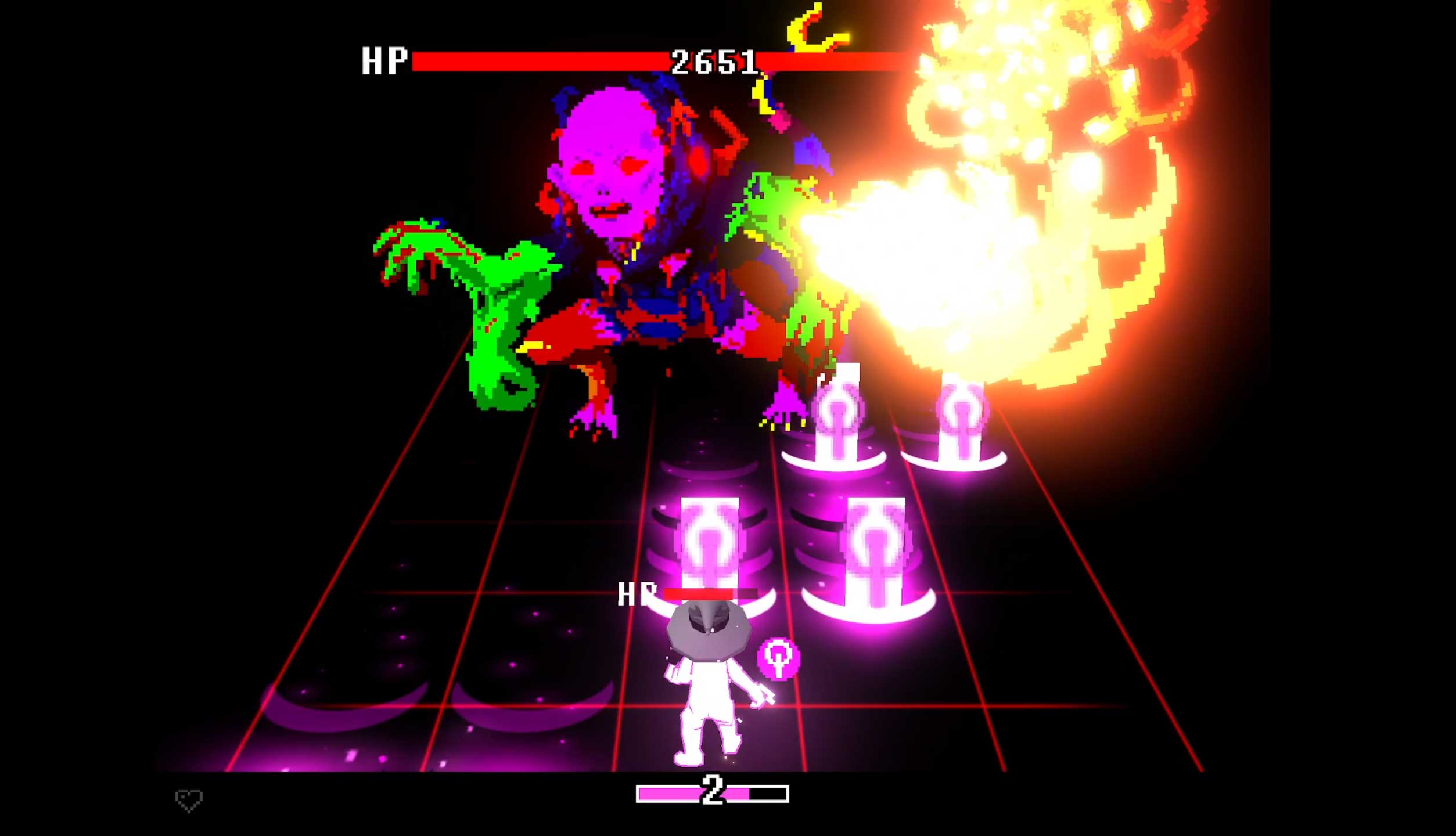
Yes, you heard me right: this retro-styled role-playing game lets you deal with combat with the power of music. If you know how Guitar Hero and other rhythm games work, you can figure out Everhood 2’s combat. When you initiate combat with enemies, you’ll be at the bottom of the lane where you can move your coloured Soul hero left or right, or even jump. When you see a coloured lit symbol heading your way, you can absorb it with the right trigger buttons. Store a minimum of three symbols of the same colour, and you can unleash your coloured attack with the left trigger buttons. When you get hit, you lose your charges and have to accumulate them again.
If you absorb a symbol of a different colour, you reset your charges to zero and must accumulate the same coloured orbs you previously collected. Pretty soon, your gameplay revolves around collecting one coloured symbol your opponent is weak to, avoid the rest, dodge obstacles, and then launch a full blast that deals 1,000+ damage at one go. Or if you’re not that good, just collect a few, shoot them out in short bursts, then dodge again until you collect another set of colours.
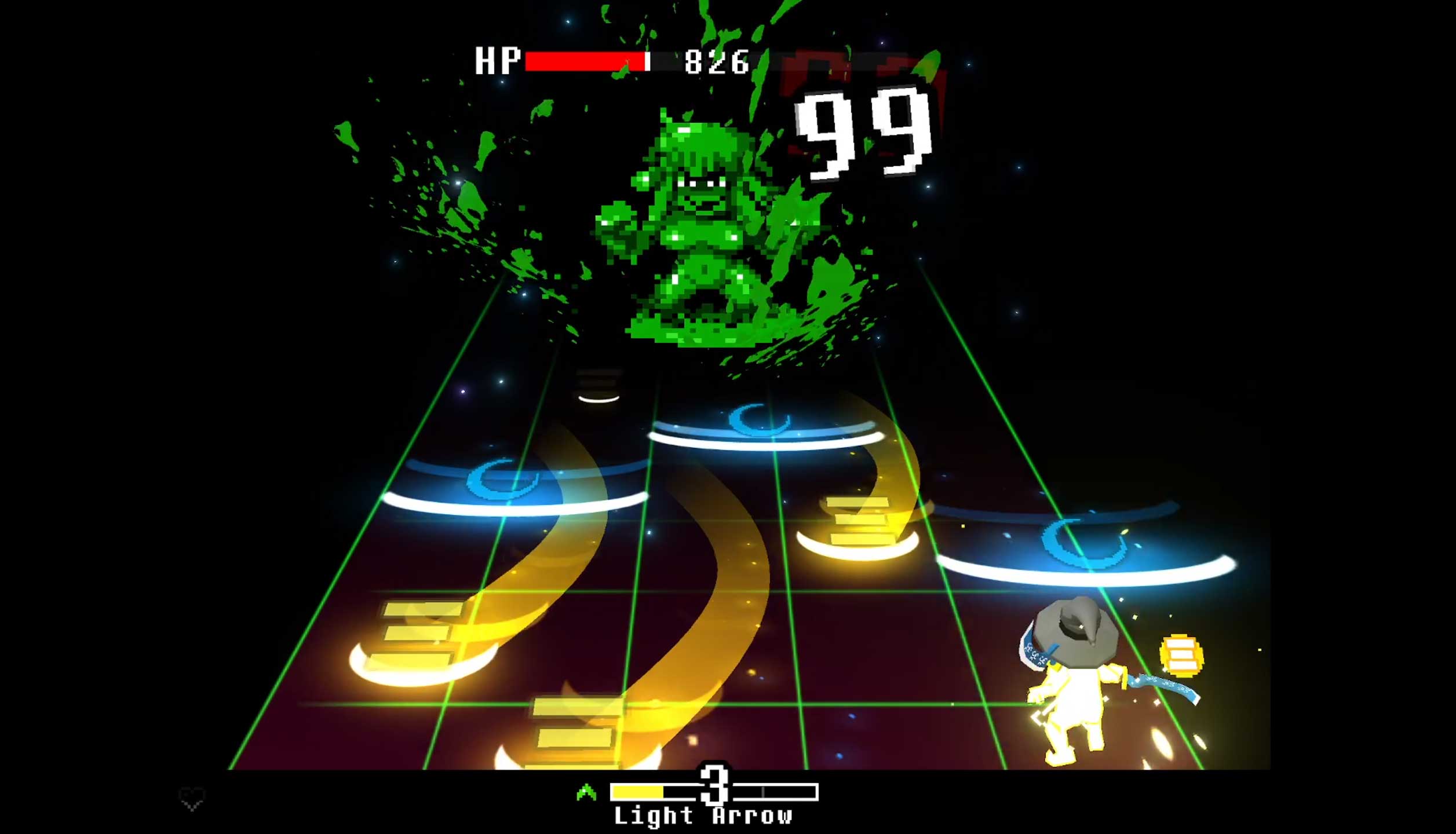
Depending on the weapon you’re holding (yes, you can collect Soul Weapons to help amplify your damage), you deal more bonus damage with certain colours than others. And to help you with survivability, you can store one charge of Death Defiance (ie: an extra life) so if you die, you can get back up one more time. While all that’s well and dandy, nothing will prepare you for the enemies you fight. While some are easy like the werewolves and shark jailors that only dish out two colours and no hazards, some like the mushrooms and the slime creatures, as well as the mind dragon you’re told to defeat early on, shoot out the equivalent of music rhythm bullet hell with various colours just to mess up your charges and momentum. It’s up to you to figure out their tough patterns to deal the most damage. And that’s just on Normal mode; the higher difficulties offer little leniency to inputs and errors.
Ever-Ready?
My only nitpick with the rhythm combat is how you need to be precise with your absorb trigger when you actively switch lanes with active notes. If you flub up the button press -and you will if you’re switching lanes fast- you end up taking a hit and have to restart your charges. Perhaps the game can be a bit lenient in this regard. The jump and left/right dodge is also useful but its timing requires practice. I had to eat so much damage from just practising this alone before I master it near the endgame.
And it feels that even after 6 hours, the “ever” part in this hood just keeps going on. As I hinted earlier, the last third of the game requires you to go through the same stages again just to get the ending you want. There’s probably a shortcut I missed, but unless that’s available post-launch, you will need to power through the game over and over repeatedly, and repetitively. You could call it the game’s New Game+, but I do wish you’re given a choice with how things could end instead of the obtuse path given.
Other than that, expect the wild and wacky with this nod to Earthbound and Guitar Hero, mashed up for one surreal 2D-and-3D mesh indie experience you won’t forget anytime soon. Just don’t expect a straight answer out of it.
Final Score: 80/100
Review code provided by publisher.

Leave a Comment