
Lumines Arise Review: Musical Matching Magic

Platform(s): PC (version reviewed), PlayStation 5
Genre: Puzzle, Music, Synesthesia
Tetsuya Mizuguchi and Q Entertainment have always been the pioneers of mixing gaming with synesthesia. Now under a new brand called Enhance Experience, the legendary team are at it again by bringing back a classic puzzle title that has been a favourite for many back in 2004: Lumines. Does it still hold up in 2025 like it did 20 years ago (and after a number of remasters & iterations)?
Left To Right Clearing
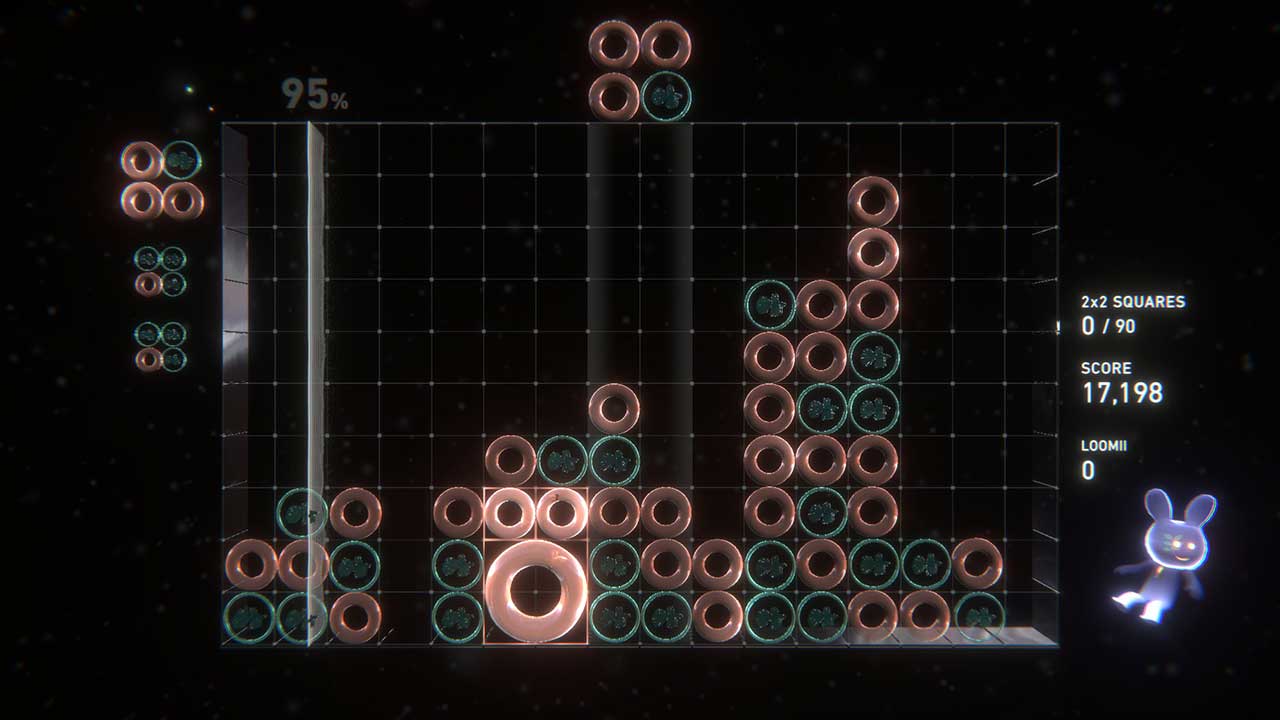
For those new to the Lumines experience, here’s how it goes: you clear falling blocks by arranging them in matching 2×2 squares; it can either be a 4-piece or bigger as long as it’s a square/rectangle/a connecting box of the same colour. The timeline you see (the white line that continuously goes left to right) will clear any 2×2 square(s) you’ve stacked up, so it’s imperative you arrange it before the timeline reaches the right end. Just like other puzzle games like Tetris and Puyo Puyo, you can stack up and arrange colours for combos, especially when you’re given checkered blocks that usually eff up your stacks if you don’t plan fast. The longer the stage goes, the faster the drops are. Heck, even the timeline slows down depending on the song playing.
What sets this Lumines entry apart from others are two features: the audio-visual combo and the Burst mechanic. The former is hard to avoid: that’s the core identity of Lumines Arise and it’s freaking gorgeous to watch in action and listen to. The music from Hydelic and Takako Ishida are various recordings and compositions of industrial, electronica, world, and lo-fi. Each different track complements the stage they’re on, using different elements from fire/ice/snakes to even seashores and shells at a calming beach, all the way to cityscapes and clubbing areas with lines representing a dancing woman or two.
My personal favourites are the lo-fi stages featuring snow and acorns with a non-instrumental singing group (the a cappella snow nuts stage). You get to see the little squirrels scurrying around the playing field as you’re frantically piecing together the best matches to clear the ever-filling board and medium-paced timeline. That and the seashells and seaside beach stage; there’s something uniquely tranquil about those aforementioned nature stages before the escalating nature of Lumines’ puzzle structure creep in to remind you that you’re playing for keeps.
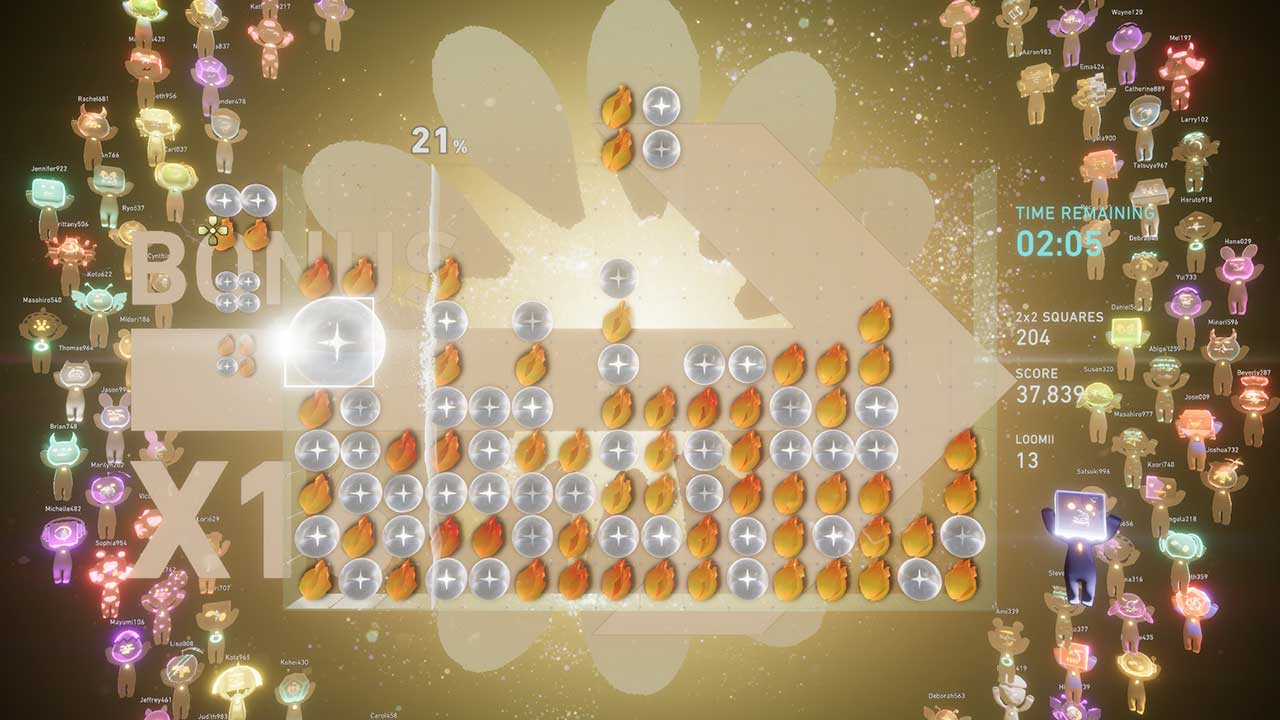
The second mechanic is a lifesaver: the Burst. As you clear 2×2 squares, you fill up a percentage. When it’s either 50% or above, you can press the Burst button to pause the passage of time (sans the timeline) and stack your biggest 2×2 square for a big clear. All odd-coloured blocks around your big square will be shifted out and come back after Burst time is done. If you activate it at 100%, it lasts longer.
Granted, it’s not a screen-clearing smartbomb; you can still screw yourself over if you don’t arrange your blocks right. But when you have a big one ready to be cleared, Burst can be a score booster, a board-clearer, and a life extender in harder stages. It’s a small but noteworthy addition that does help you play smarter throughout the game’s Journey single-player campaign.
Apart from that mode, you do have a few multiplayer modes that either have you offline with another pal on the same screen, or online with randoms (via versus mode) or leaderboards-scrambling by clearing a single map with a one-time block clear and timeline wipe. A Mission mode plays the role of a tutor that teaches you the ins and outs of Lumines while also having you farm for points to unlock your avatars and customization options. Pretty standard additions, but welcome and still worth playing through nonetheless.
A Puzzling Celebration
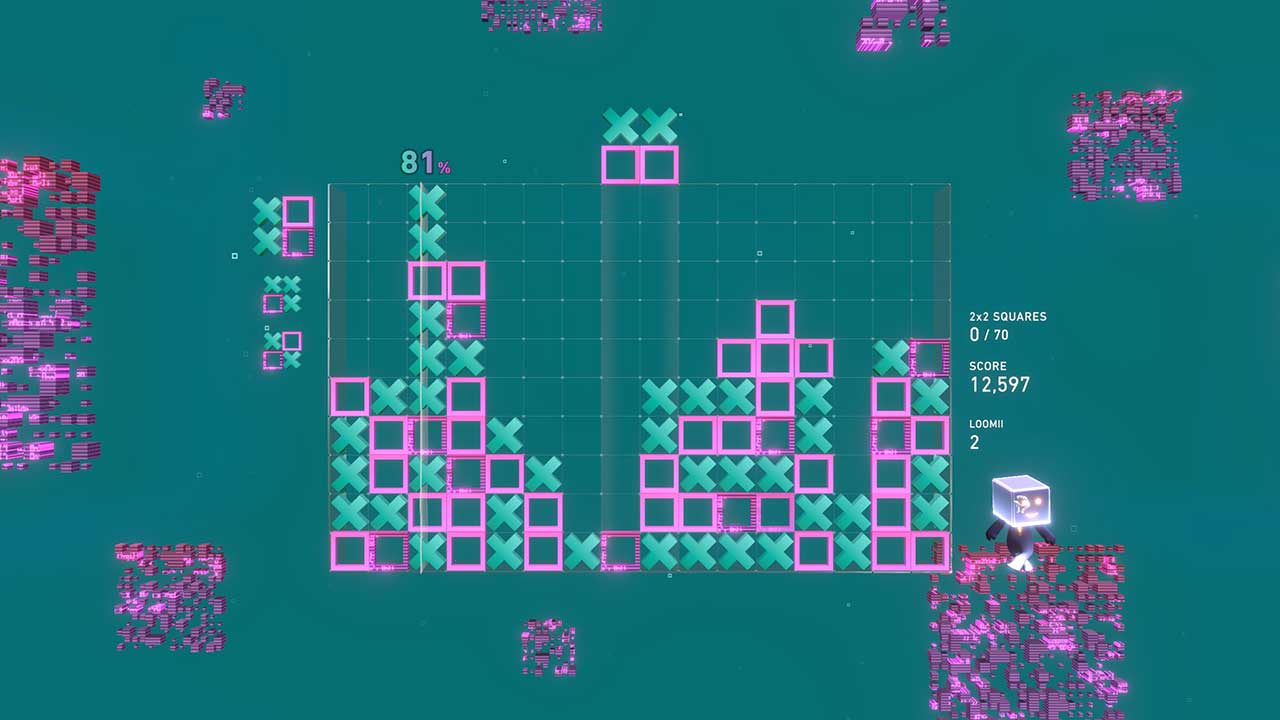
Lumines Arise does so little different from its predecessors back in the PSP days, sans the coat of extra deluxe paint. Still, it’s been ages since we’ve seen a puzzle game this beautiful since, well, Tetris Effect. Lumines Arise is simple yet deep with its tried-and-true 2×2 block-clearing mechanics, it has a few modes that not only educate you on playing the game better but also some co-op and competitive flair, and most importantly, it’s a beauty to behold and listen to.
The Enhance Experience developers have done it again with the return of the original music timeline-focused puzzle game that made Tetsuya Mizuguchi a more established household name beyond Rez.
Final Score: 80/100
Review copy provided by publisher.




Leave a Comment