
Avatar Legends: The Fighting Game Review – Elementary

Platform(s): PC (version reviewed), PlayStation 5, PlayStation 4, Nintendo Switch
Genre: 2D Fighting Game, Licensed Game
Whether you love it or hate it, first impressions for fighting games do count for a lot. If the game doesn’t have the “sauce” or aesthetics to hook you with, chances are you’re not going to pay attention to it.
Which is why I’m pretty torn about Avatar Legends: The Fighting Game’s presentation. On one hand, the game’s adherence to 2D art is synonymous with the classic 2005 Nickelodeon/Paramount series, accurately capturing and portraying its likeness. On the other hand, it moves and feels like a 4K Newgrounds Flash-powered game. No disrespect to people who make Flash-powered games on that old-ass site -I do find the art style charming- but it’s going to turn off the majority of people. Especially with how gorgeous the recent Avatar Aang movie looks. Maybe Paramount could have given PM Studios and developer Gameplay Group International (GGI) a bit more time and money for more animation frames & touching-up.
It’s a crying shame, because Avatar Legends: The Fighting Game boasts one of 2D fighting game’s most robust mechanics that tie in well with its subject matter.
Hustle & Flow
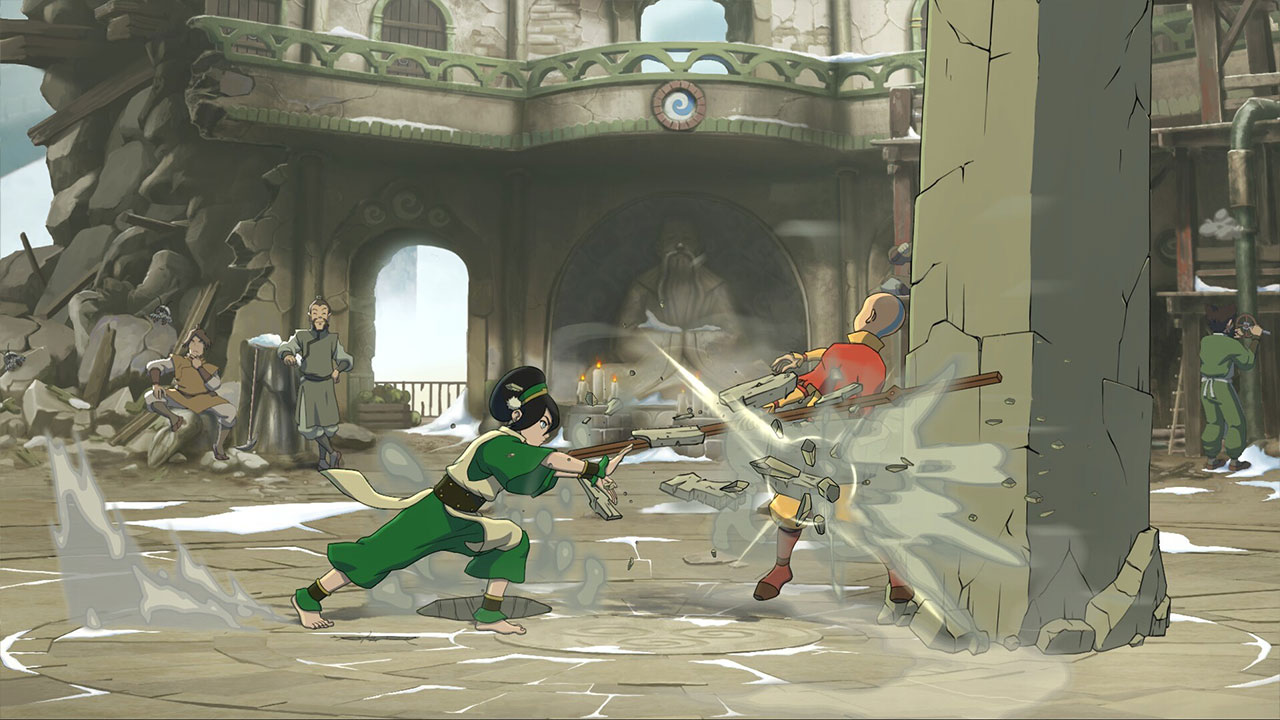
Each of the game’s elemental benders (and non-benders) fight using a Flow and Energy Point system. Flow is your crux in offense and defense: you use this resource to either power up your attacks, advance forward, or even auto-dodge moves (via Flow Stance) or fly off to the air avoiding enemy pressure. You build up Energy Points to unleash powerful attacks and super moves, building it up with attacks.
If you spend too much Flow, you enter in an Unbalanced state, which is not what you want to be in. While you’re in Unbalanced state, all hits you get are counted as counter-hits, meaning your opponent can juggle you and keep suppressing you until the sky bisons come home. And if you get hit with a max Energy Point super move while Unbalanced? You immediately get knocked out, regardless of how much life you have.
Long story short: getting good in Avatar Legends: The Fighting Game requires you to understand the Flow system, build up your Energy Points efficiently, and learn basic combo attacks with each character. Speaking of which, all of them do play differently depending on which support character you pair them up with. Avatar Aang gets better movement with his Air Scooters if he picks monk Gyatso, while he gets Flow-cancelable normals if he picks Appa.
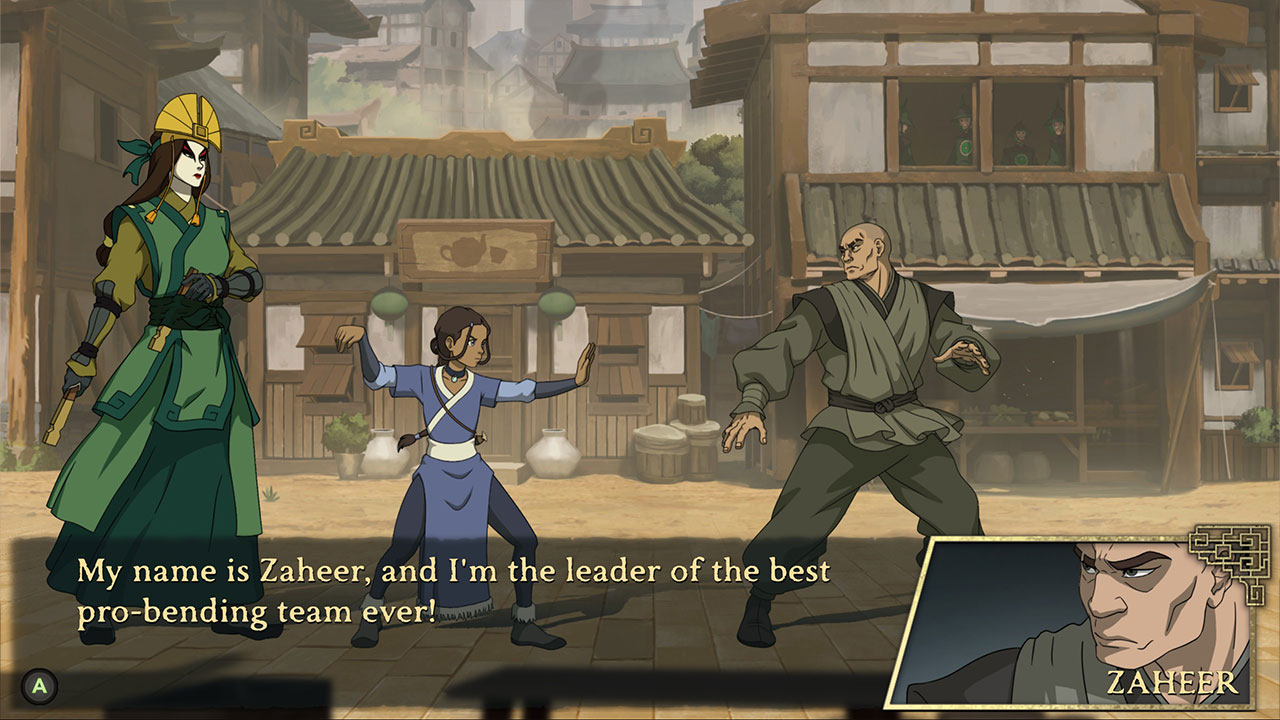
Some characters play drastically different too: series antagonist Azula is a lot tougher to play as with her traps and projectile game if she picks Joo Dee as her support. Conversely, Azula becomes crazy Firelord b***h and is basically an in-your-face gorilla character with huge swings and easy combos if you pick Ursa/the broken mirror as her support. With 12 characters in tow, there’s a lot of variety here for both casual and expert players to mess around with, especially with the support system in tow.
Longevity-wise, you’ll get a few hours out of the game’s quirky story mode which ties in all the Avatar series’ characters to one crazy plot that’s entertaining for series fans. There’s an arcade mode to get the best score and test out your chops offline, and then the standard versus and online mode to try your luck in the internet against other Avatar players. Throughout the few hours playing competitively, I’ve had no issues with connections and stability, save for an odd match or two. What is perplexing is that there’s no ranked mode as of yet. The game’s tutorial mode also show off wrong inputs for certain moves here and there; hopefully these oversights are corrected in the near future.
Earth, Wind, Fire (and Air)
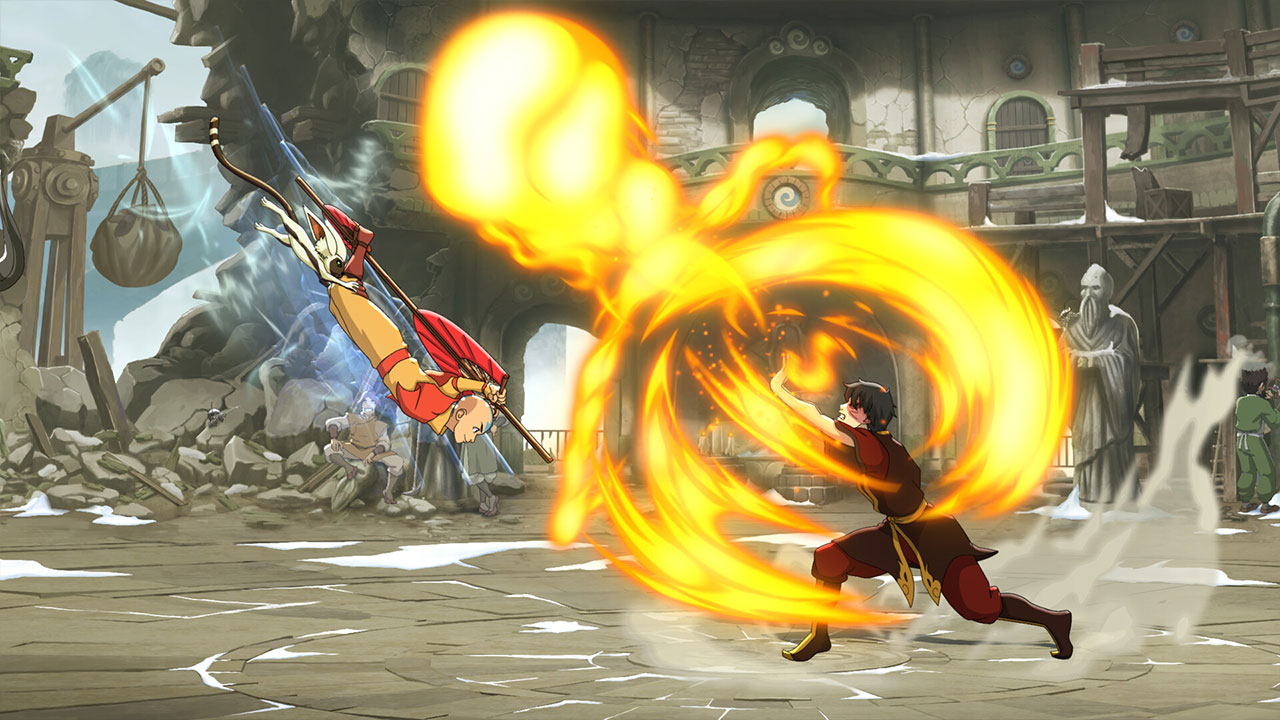
While light on features, Avatar Legends: The Fighting Game is a solid 2D fighting title with fun & unique combat mechanics, clear love for the characters and source material, and has solid replayability on the online and competitive side of things. It’s also pretty affordable for those buying it for PC in Southeast Asia, as it is under RM100 and delivers more bang for your buck in that aspect. Perhaps that’s enough to justify how “basic” it looks when compared to other fighting games in the field, and it IS a competitive one to boot.

Leave a Comment