
Locked, Loaded, & Renamed: Why Call of Duty’s Guns Have Fake Names
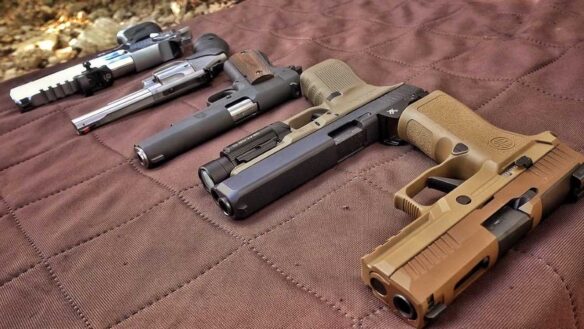
In Call of Duty, the gun you carry isn’t just a weapon—it’s an identity, a defining element of your playstyle, and often, a symbol of prestige. But for all the meticulous detail in CoD’s arsenal, from the sleek contours to the familiar clicks and clacks, one major element stands out: the names of the guns. Look closer, and you’ll notice that instead of “Glock” or “AK-47,” you’re wielding oddly familiar yet clearly fictional firearms. It’s not a creative oversight; it’s a strategic choice driven by factors as complex as the game’s plot twists. The decision to rename real-world weapons in CoD reflects an intriguing blend of legal considerations, design freedom, and cultural sensibilities that elevate the experience while dodging legal bullet fire.
Why Call of Duty Rebrands Its Arsenal
1. Licensing & Legal Crossfire

The video game industry is no stranger to licensing agreements. Every bullet and barrel comes with a price tag, especially when it’s based on real-world designs. Call of Duty’s parent company, Activision, faces a considerable licensing price for attaching the “official” names to their virtual guns. Licensing isn’t cheap, especially when military-grade brands like Beretta, Colt, and Heckler & Koch are involved. Why? These manufacturers don’t just make guns; they protect their brand identities fiercely. Gun brands could demand royalties for every instance, or impose restrictions that might stifle CoD’s weapon modifications, mechanics, or upgrades. By creating replicas instead of licensed versions, Activision keeps costs down, ultimately investing those savings in areas that enhance the player experience, from graphics to campaign expansions.
2. Creative Freedom in a ‘Virtual Armory’

Let’s face it: strict adherence to real-world weapon stats would be a creativity killer for CoD. By sidestepping real names, developers gain unparalleled freedom in crafting guns that not only look cool but also meet specific gameplay needs without compromising balance. When you’ve got a dozen or more assault rifles vying for player attention, tweaks and modifications are key. Imagine if a real-world manufacturer stepped in, frowning on your “Glock” with a higher fire rate or a more customizable recoil setup. Renaming lets CoD turn every gun into a tailored experience rather than a slave to reality.
Without licensing shackles, the team can craft “almost-real” guns that still evoke a visceral realism, allowing the “M4A1” to function in a way that feels both authentic and distinctly Call of Duty. It’s no accident that CoD’s replicas still look and feel familiar—designers ensure that while the gun is fictional, the way it feels in your virtual grip is anything but.
3. Cultural Controversies & Sensitive Subjects
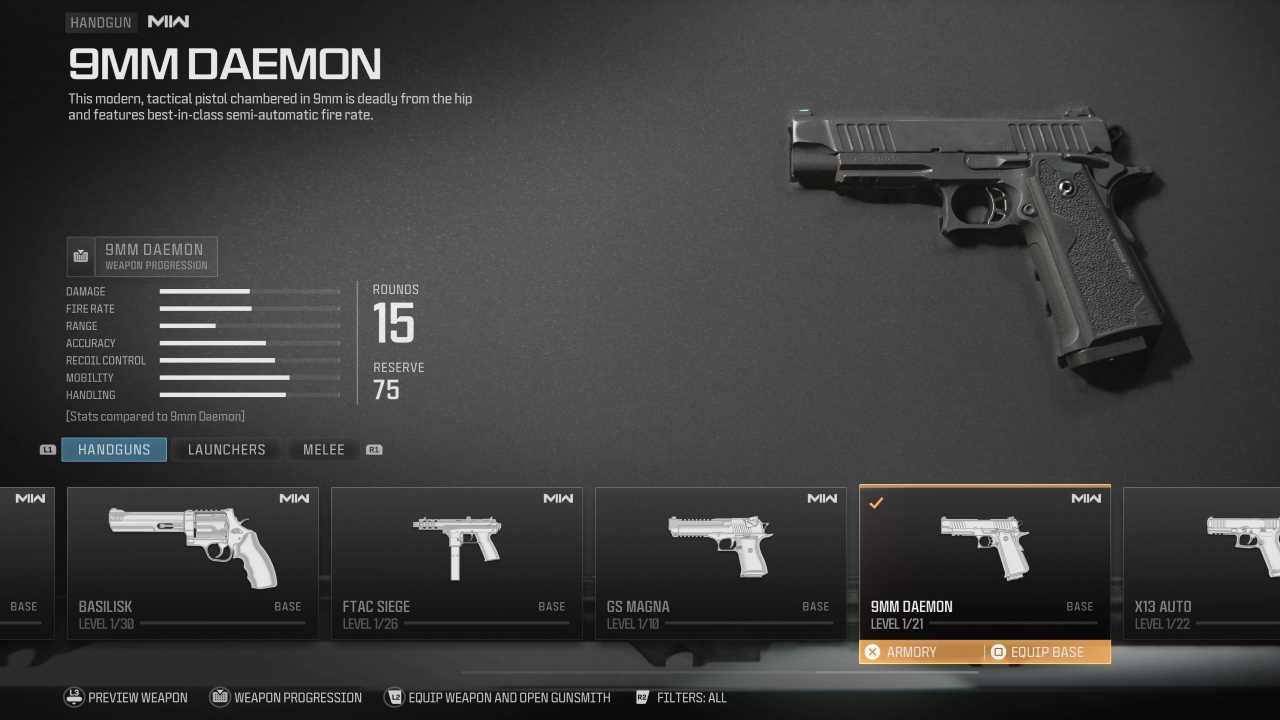
Weapons often carry symbolic weight that transcends their in-game function. In a world that’s constantly debating the role of firearms, CoD prefers to avoid endorsing or promoting any particular weapon or brand by name. By employing fictional titles, Call of Duty sidesteps potential blowback from the media and concerned groups, preserving its focus on action rather than the real-world implications of gun use.
Think of it as a way to maintain the fantasy of a high-octane warzone without the baggage that real-world brands could bring. With its creative distance, CoD channels the raw power of the guns without tethering itself to any particular model, region, or history that might invite controversy.
4. Enhancing the ‘Virtual Arsenal’ Aesthetic

Call of Duty’s popularity partially stems from the balance it strikes between realism and escapism. When players scan their loadout, they’re looking for a sense of identity that goes beyond mere stats; they want weapons that feel tailor-made for them. The names “Krig 6” or “R-301” aren’t familiar just for their functions—they carry an aura, a slightly mystical, video game-specific allure. Names like these cultivate CoD’s unique brand identity, setting its firearms apart from the real-world equivalents and building loyalty among its players.
Instead of seeing the familiar “M16” pop up in your loadout, spotting something like an “XRK Stalker” immediately sparks curiosity. These fictional names aren’t just there for legal convenience—they subtly contribute to the game’s immersive, high-tech atmosphere. By renaming weapons, Call of Duty creates an extra layer of intrigue, making each gun feel like a unique creation rather than a direct copy of something you’d find at your local gun range. This distinction reinforces the idea that you’re stepping into a heightened, almost cinematic version of modern warfare, not just a simulation.
5. A Nod to CoD’s Legacy & Player Appeal
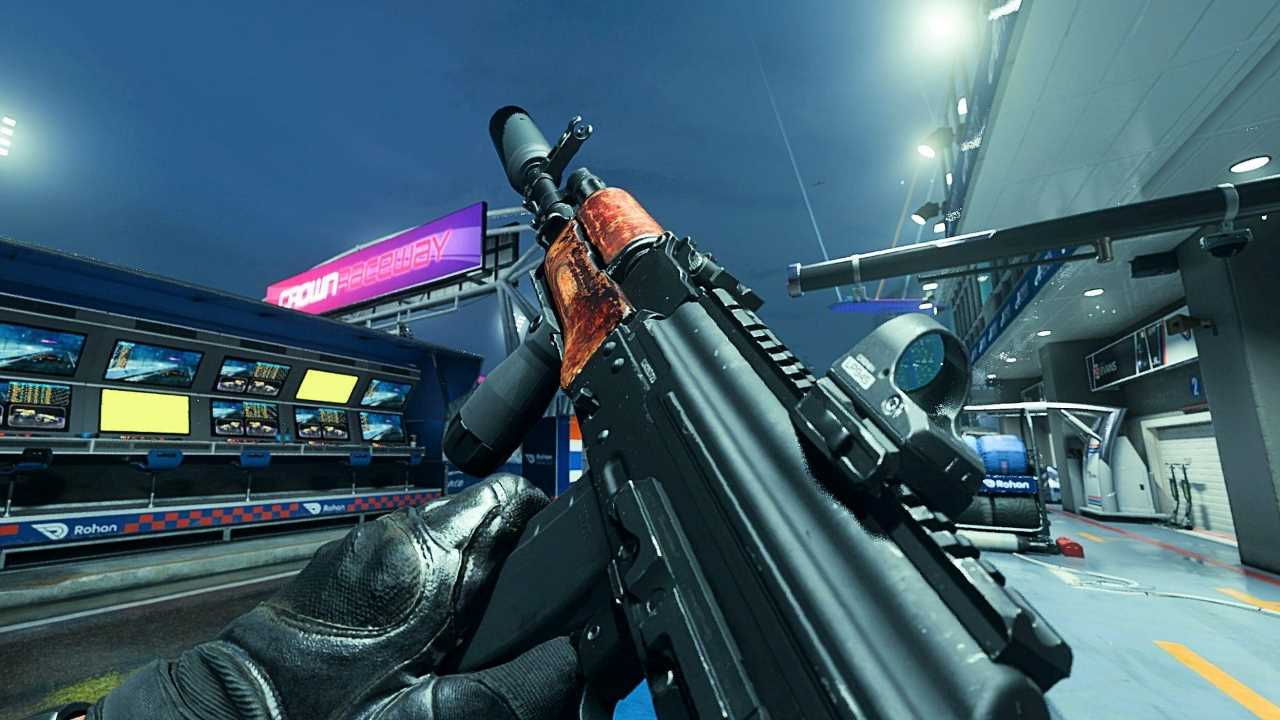
CoD’s commitment to renaming its weapons has cultivated a community of fans who know their “Marauders” from their “Havocs.” This fictional roster has woven itself into the game’s culture and become a central feature for longtime fans, who recognize weapons by both look and name alone. This naming convention allows players to build memories not with “just an AK-47,” but with a “Kastov 762,” a gun whose very identity is inextricably tied to Call of Duty’s distinct style and feel.
By giving guns fictional names, CoD not only keeps the legal team happy, but it also creates a deeper, more personal connection between players and their weapons of choice. The names become badges of honour, artifacts of unforgettable killstreaks, firefights, and hard-won victories.

The next time you’re in a firefight wielding your favourite “Vanguard AR,” remember: it’s no accident that you’re not clutching an official Colt or a real-world SIG Sauer. Call of Duty’s arsenal of renamed, refashioned firearms is more than just a workaround; it’s an identity choice, a blend of artistry, legality, and cultural awareness. For CoD, rebranding these guns isn’t just dodging legal fees—it’s a strategy that enhances immersion, builds lore, and lets the game’s most powerful weapons truly be weapons of the players’ own making



Leave a Comment