
Fallout 76 & How It’s Shaping Up Better Than Before
Fallout 76 may have launched in a sad state and in a mire of controversy in late 2018, but it has shaped up well throughout the years. No doubt wanting to keep the prospects of an online Fallout game alive, the developers at Bethesda have been toiling away at making it work. And work it did; at least it didn’t shut down weeks after launch.
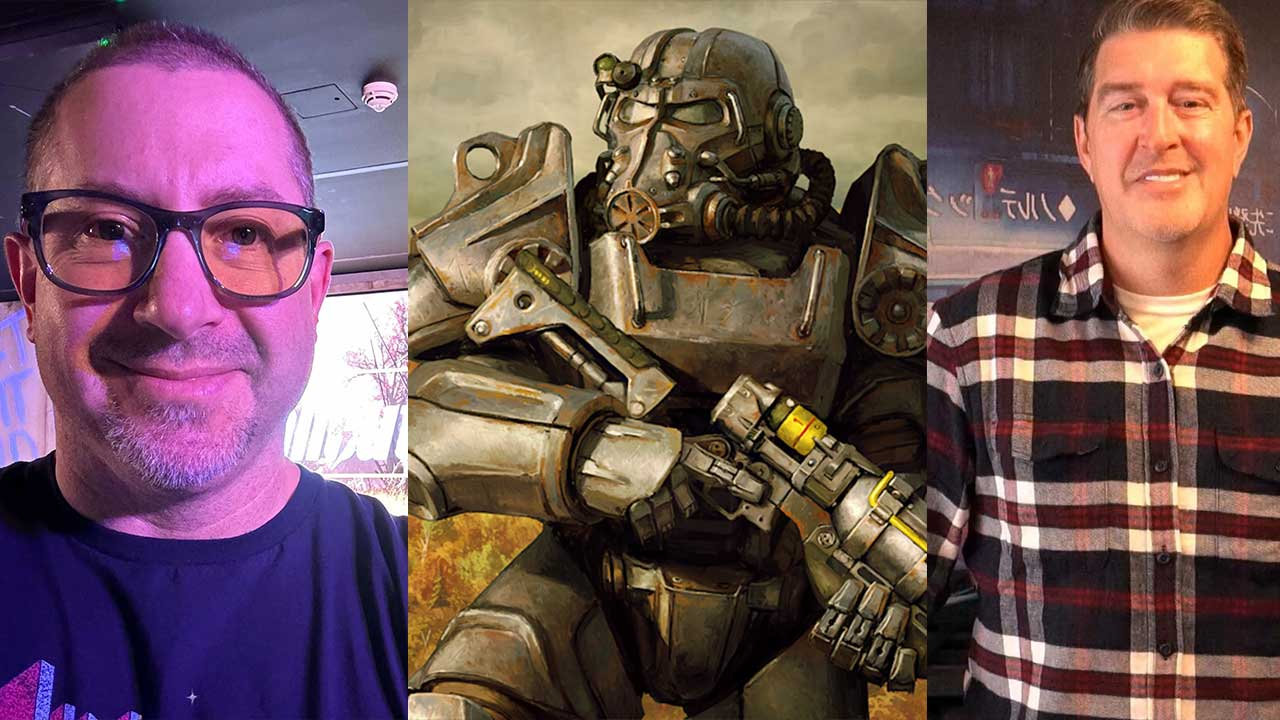
Part gumption, part brand recognition, mostly community-driven: Fallout 76 is in the rare group of online games that launched terribly, but manage to stick around for a long while. Here’s an interview we conducted with the game’s creative director Jon Rush and production director Bill Lacoste on how that was all possible; how they persevered in steering the game into what it is today.
How has the reception of the recent TV series tie-ins like The Ghoul been so far? Have you seen an increased player count off the back of the second season?
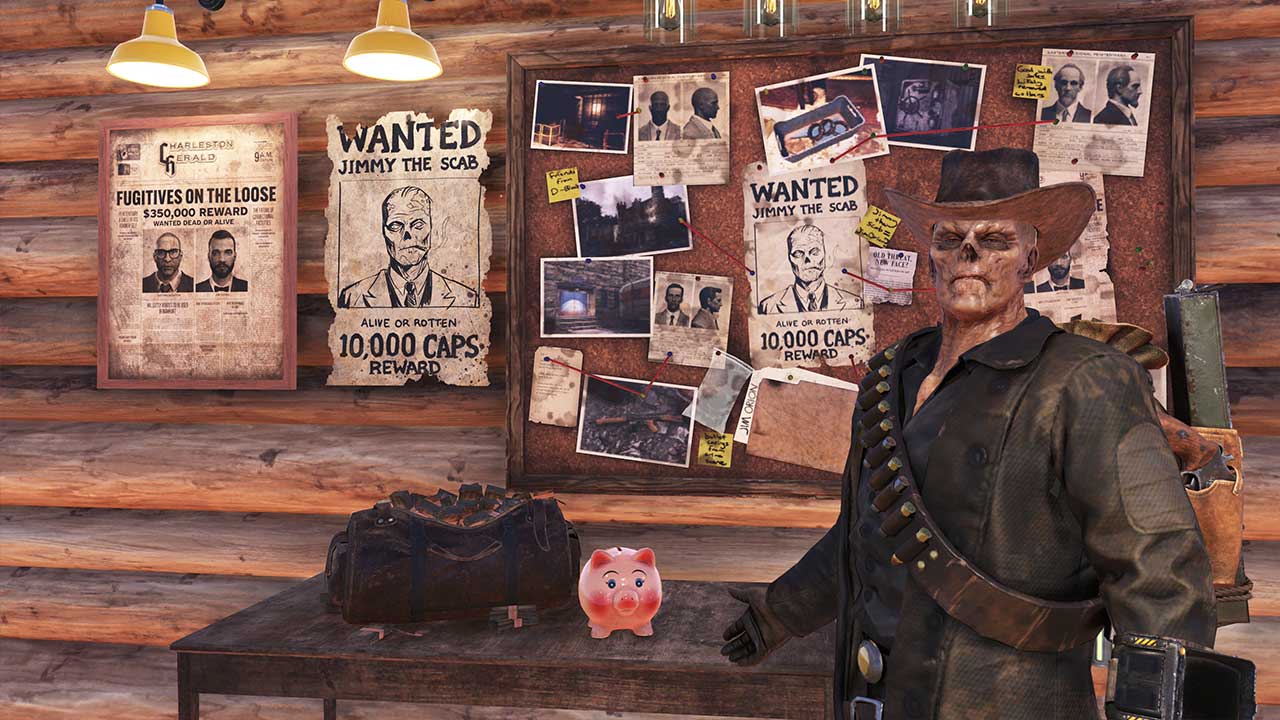
Jonathan Rush: We’ve seen an increased player count that coincided with the release of the second season, and it also coincides with the release of Burning Springs late last year. The new content has been a very popular addition to the game, we’ve found players have really enjoyed interfacing with The Ghoul since he was added. For us as developers, he serves as the ideal host for the bounty-hunting feature.
What’s the most-requested feature for Fallout 76 that your team hasn’t implemented yet?
Jonathan Rush: There are two things that players repeatedly say they want, they’d like to see playable Super Mutants, and they’ve also asked for vehicles.
Will these requests make it into the game in the future? How so?
Bill Lacoste: We’re not committing to those specific features right now, and while we don’t have anything to announce today we have features planned for years out and some of these things are very pivotal.
In a lot of ways we’re just getting started, and while we might not commit to those things now, we will always continue to think about popular requests like that that the community has for the game.
How has player feedback improved the game since 2018’s launch?
Jonathan Rush: It’s impossible to overstate the impact it’s had on the game. The relationship we have with our community and vice versa is what makes the game so special. We go through player feedback across all platforms and we take it all in, so we couldn’t have gotten Fallout 76 to the point it is today without our wonderful community.
How has player feedback shaped live service decisions for the game? Has it impacted how items like cosmetics are priced?
Bill Lacoste: It’s similar to what John has just talked about, we have a team that looks at those things and we leverage that player feedback from across these platforms to build systems that really match what players are looking for in that sense.
Fallout 76 has survived for so long after an initially rocky start. How was this possible?
Jonathan Rush: I think it speaks to the dedication of the hard-working developers we have on the game and the franchise, and it also speaks to the dedication and support of the community that continue to play Fallout 76.
But it’s also about the open lines of communication between the two and how we’ve been able to collaborate and identify what players expect out of the game in-line with the story we’re trying to tell.
Bill Lacoste: I’d also say there’s probably three things that were important to the players, one was stability. We’ve really worked on building that server stability for players to actually get into the game and we’ve brought that rate down immensely since launch.
The second is building trust with the community and communicating directly. We established a regular cadence of updates and communication with our players and gave them consistent updates that addressed issues and brought new content to the game.
And in association with that, it’s a matter of consistency, we’ve shown players that we deliver consistent updates. We have content updates every six weeks and then a major content update every 12 weeks, so we’ve built that reliability with the playerbase.
For people who have played online games and MMOs but not Fallout 76: what’s the selling point that you use to entice those potential new players?
Jonathan Rush: For me, I think it’s the community that can really entice the players. We always talk about how welcoming they are. Hopping into Fallout you’d expect people to just be competing against each other, but new players coming out of the vault are often greeted by veterans that help them out and show them the ropes.
Bill Lacoste: I think we also offer a lot of features that are more time efficient than what you might see in other games. We offer bite-sized pieces that you can gather up with your friends and do immediately without much setup, whether that be events, raids, or the newly released Bounty Hunting content.
How does Fallout 76 compete with other live service games like the ones in China like Genshin Impact and Wuthering Waves?
Bill Lacoste: I think it’s that we offer a lot of different ways to play the game. We have players that love to just role-play, while others come to min-max their characters, and there are those that just build. Whether they’re playing for a long period of time or just a short session, there’s a lot of avenues that they can go down and different playstyles available to them.
Fallout 76 is now out for PC and consoles.

Leave a Comment