
To Fold or Not to Fold? A Cheat Sheet in Helping Your Samsung Galaxy Z Fold 8 Purchase Decision
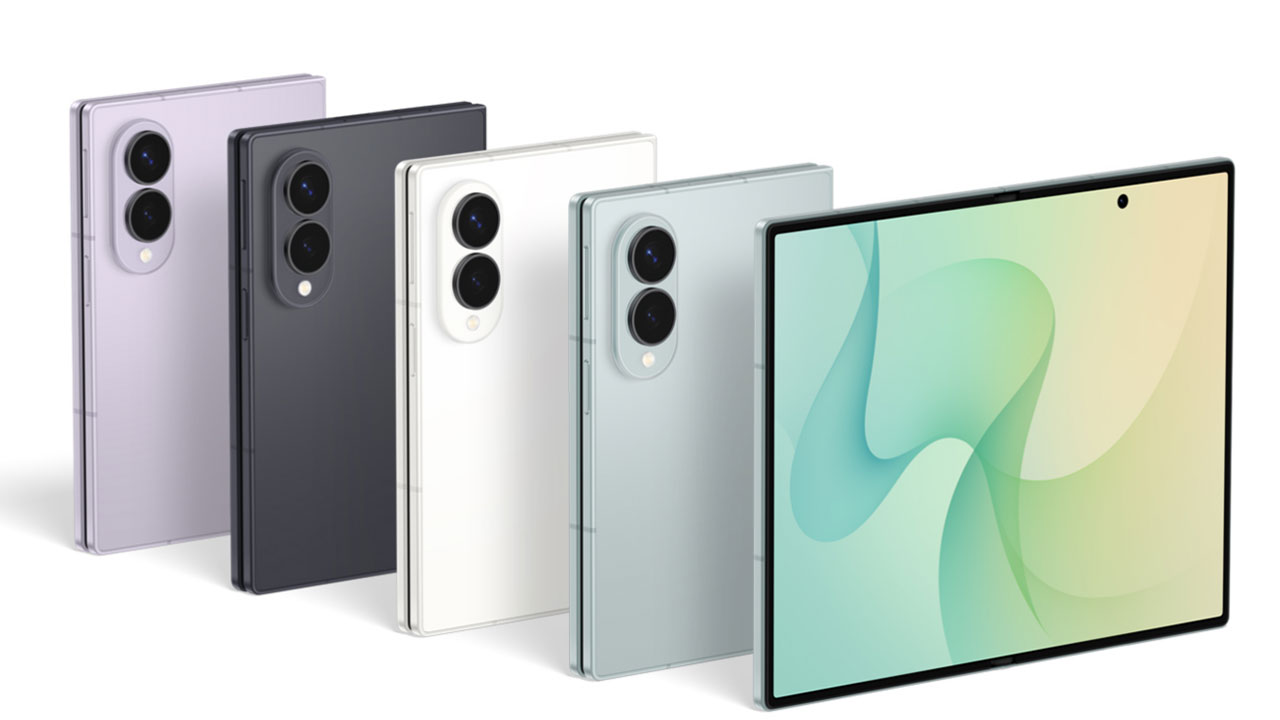
In recent years, interest in folding smart devices have increased tremendousy thanks to improved tech, materials science and of course, promotion. However, the decision to shift from a traditional slab-shaped device to one which takes up half the screen space once fully unfurled is not a straight forward one.
And with the release of Samsung’s latest Z Fold 8 phone which comes with a squat silhouette, users are more perplexed than before on whether to ditch the familiar for utility. Today we are going to discuss the key discussion points to help you navigate through this decision making process and hopefully by the end of it, give you a clearer picture on what’s in store for new folding phone converts.
Size Matters
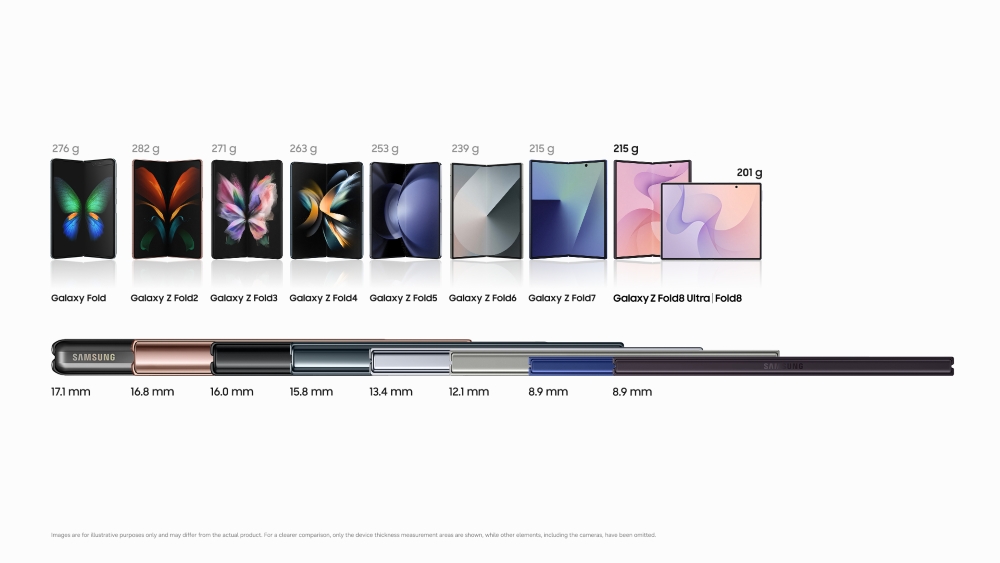
Unlike previous folding phone models in the past which tend to be on the thick side of things, material sciences and improvement in hinge technology have contributed a lot in producing much thinner modern folding phones. The Z Fold 8 and Z Fold 8 Ultra are Samsung’s latest, lightest and thinnest devices in their range yet. As shown in this official graphic released by Samsung, newer devices comfortably exhibits larger screens compared to their predecessors.
Usability and Practicality
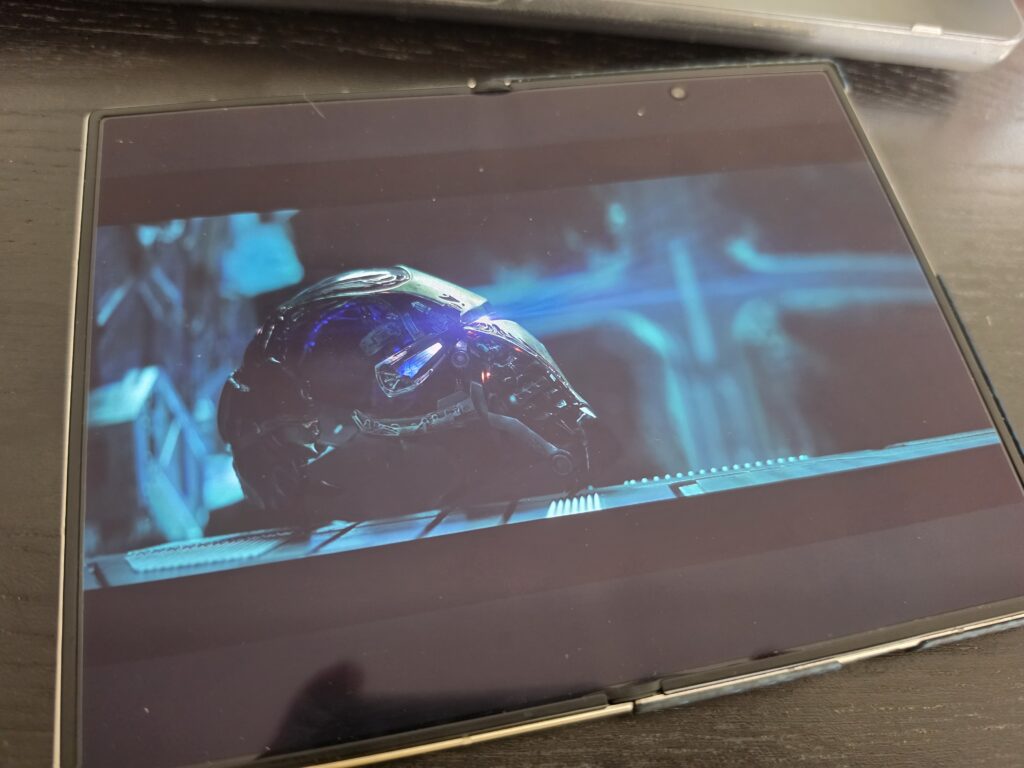
The biggest selling point for foldables is that you essentially have two devices in one. A standard smartphone for your daily use and when you feel like it, unfold the device and you double up on the screen real estate; to the size of a mini tablet for media consumption. Yes, the crease on the inner screen will still be there (no) thanks to physics but as material science improve by the year, have become more and more hidden. The Z Fold 8, when opened, presents a massive 7.6-inch screen which is perfect for Netflix or Disney+ binge session especially when traveling.
Daily Use Experience
Battery-wise, any modern device would easily hold enough charge to last you a day. Any ‘reviewer’ who complains about a ‘small battery’ isn’t living in the real world as no average Joe is going to continuously record videos in 8K or view movies non-stop for four to five hours. It is just not within a real-life setting. Assuming you are a responsible user with average usage case, you may even be able to utilise a full charge for a day and a half before rushing to your nearest USB-C cable. And when you do, the fast charging capabilities nullifies any sense of battery anxiety. We leave that worry to the EV vehicle owners.
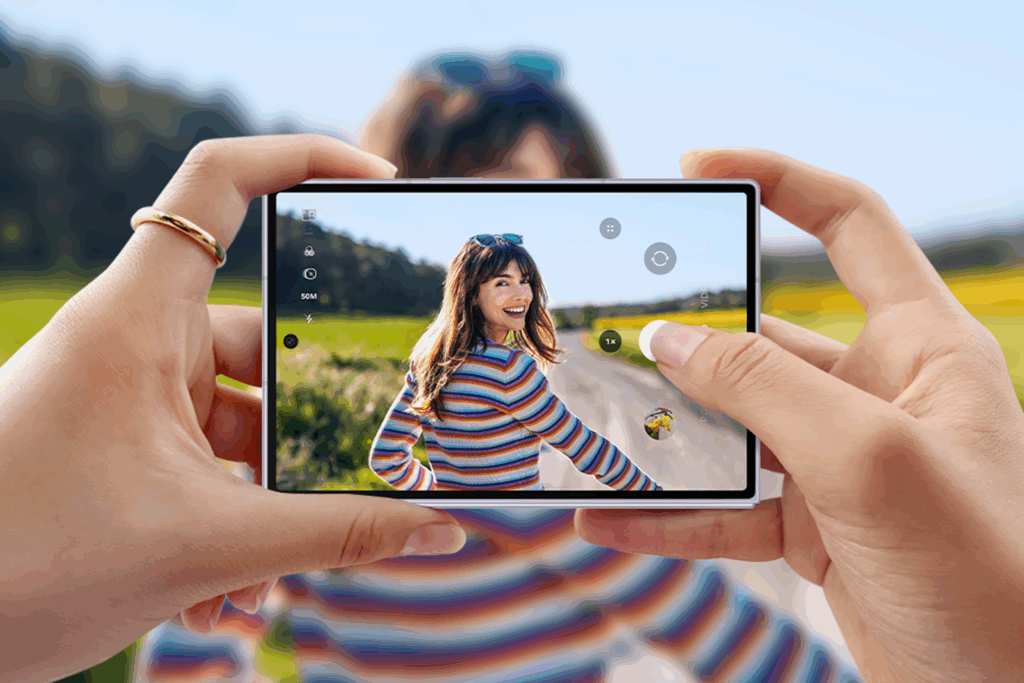
Another important factor would be the camera which is the major tradeoff when it comes to foldables. In the pursuit of developing a thin, portable and folding device, the camera has taken a backseat to accommodate bits and bobs that make a foldable in 2026 work. The absence of the telephoto camera in the Z Fold 8 is worth discussing but then again, if the camera carries a ton of weight when looking for your next smart device, then we’d recommend sticking to the classic slab phones. The S26 Ultra is a great option should you want to remain in the Samsung ecosystem.
Major decision to consider would be the actual upfront cost of owning these devices as they are nowhere near cheap. The most affordable Z Fold 8 starts at RM7,099.00 in Malaysia while Apple’s iPhone Duo starts at an eye-watering RM9,499.00. That’s a lot of clams and if you have a perfectly fine, working device, we’d recommend to wait until the prices drop. However, if you aim to get the most advanced and cutting edge pieces of technology available in the market and simultaneously to build the optimum portable tech setup, look no further. We cannot vouch for what Apple is releasing soon, as it isn’t available in the market as yet. We can definitely, though, highly recommend Samsung’s Z Fold 8 as it has not only been our daily driver replacing the S26 Ultra, it currently sits well ahead in the race for the best gadget of 2026.



Leave a Comment