
The Blood of Dawnwalker Review: Vampire Saviour
Platform(s): PlayStation 5 (version reviewed), PC, Xbox Series
Genre: Role-Playing Game, Narrative, Historical, Vampires
Making & charting open-world computer role-playing games is tough: just ask CD Projekt Red and Bioware. But these two have more than hundreds of people working on these types of expansive titles. How about a team of just a 160 people -humble size these days- but with institutional knowledge of making RPGs? It’s not impossible, but it is a monumental task.
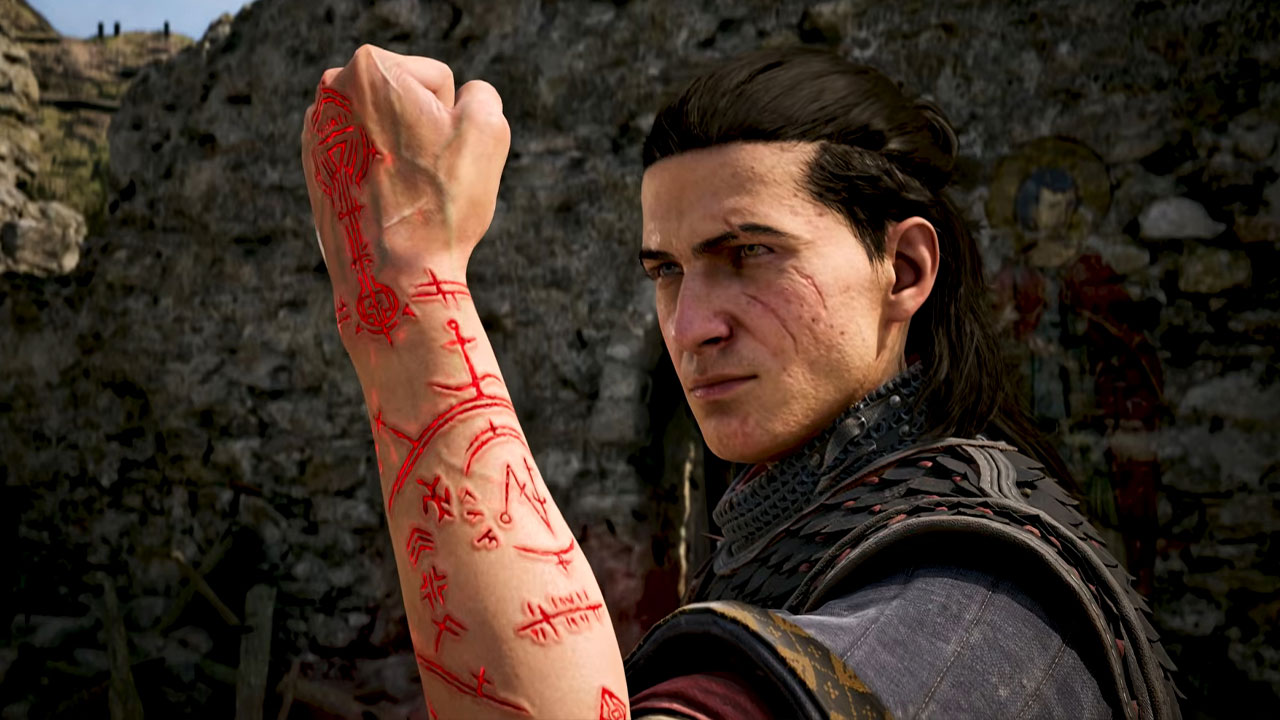
New game developer team Rebel Wolves, comprised of veterans who worked on The Witcher figured they make their own in terms of scope and scale, though not to the gargantuan bloat of your Witchers or Mass Effects. Such is the case of Blood of Dawnwalker, a 14th century tale of a man who is a human by day, and a vampire by night, and the struggles within.
An Extreme Kind of Gatekeeping
Our main hero Coen is just a simple man with his parents and siblings living a humble life in the village of Laslea. In an alternate 14th century timeline, his village and the region of Vale Sangora is separated from the rest of the world as vampire lords have taken over the land. But not everything is black and white: the blood the vampires feed their subjects can heal the plague that’s ongoing outside in that period, in addition to other kinds of protection. In exchange, all humanfolk have to give bits of their blood to them as tithe.
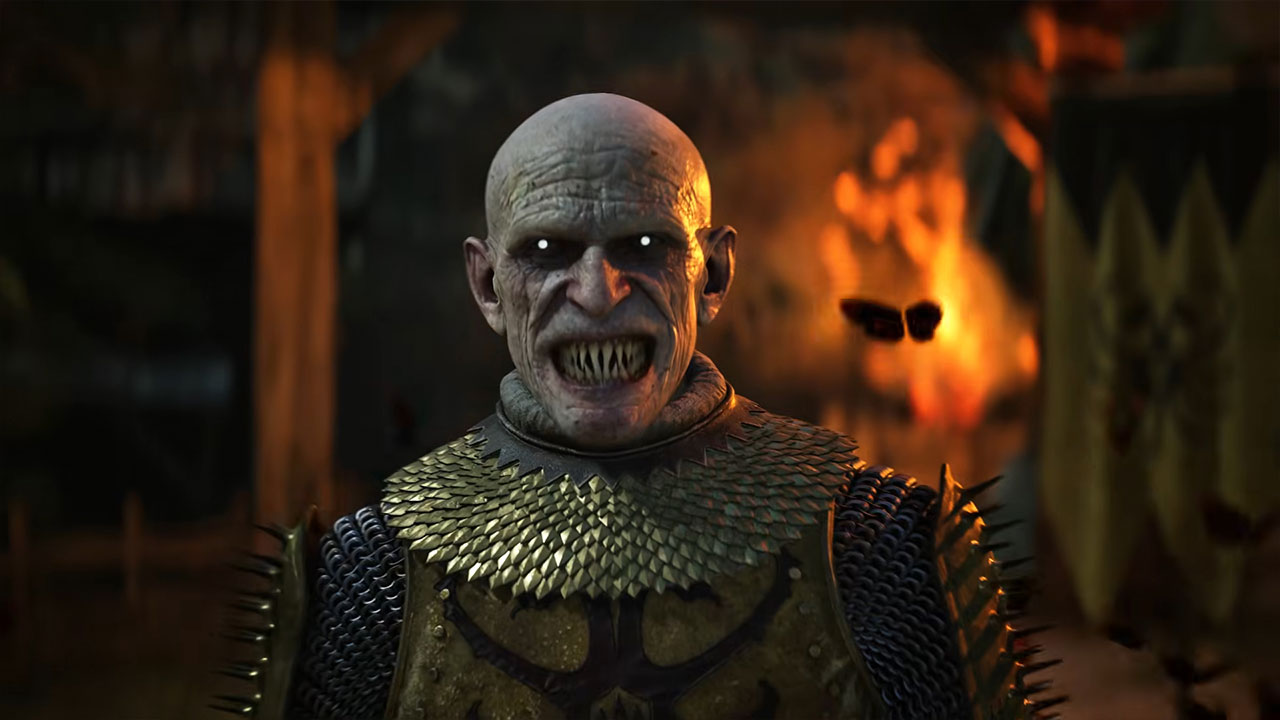
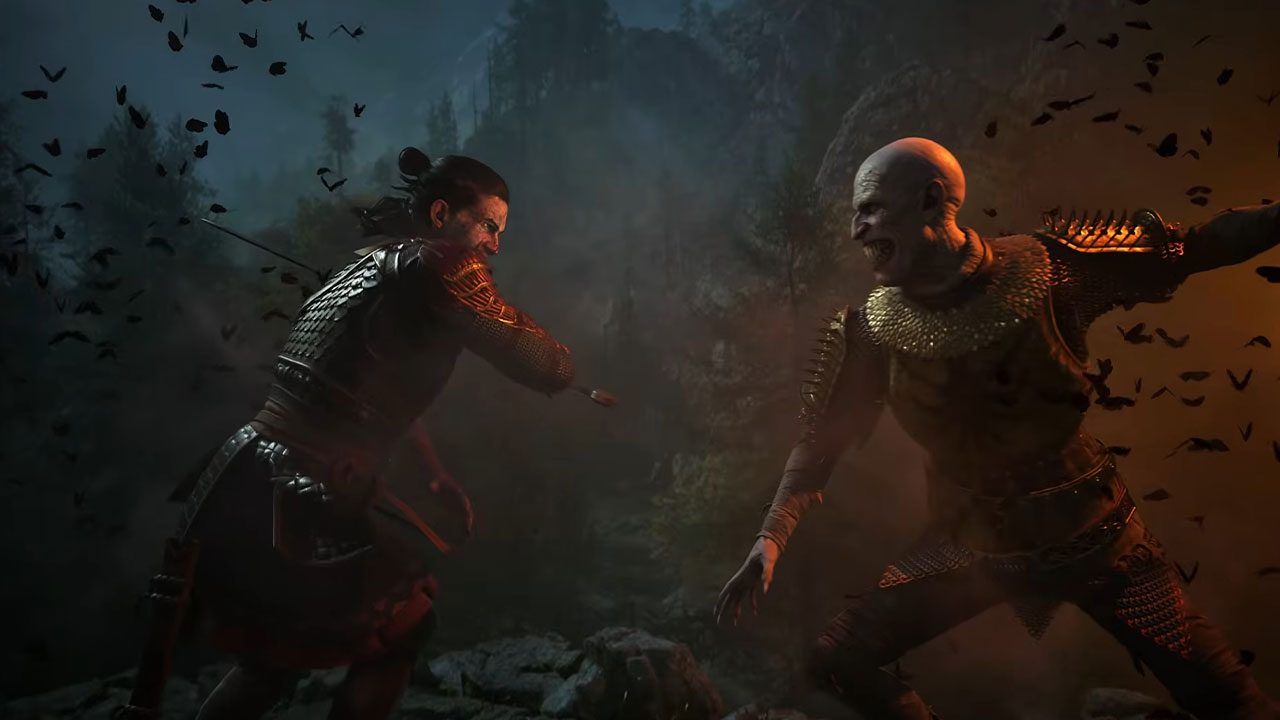
Things take a drastic action-heavy turn when Coen’s family gets kidnapped, his village burned down, and gets turned into a vampire by the game’s chief bad guy Brencis, who looks like what you envisioned an evil vampire to be straight out of the 50s: bald, pale, and big sharp teeth and claws though everything else is human-sized. You have 30 days to get your family back lest they get killed as part of Brencis’ coronation, so off you go as you get more powerful and help rid the land of its bloodsucking occupants. Or revel in your newfound powers and just be as bad as the lot of them.
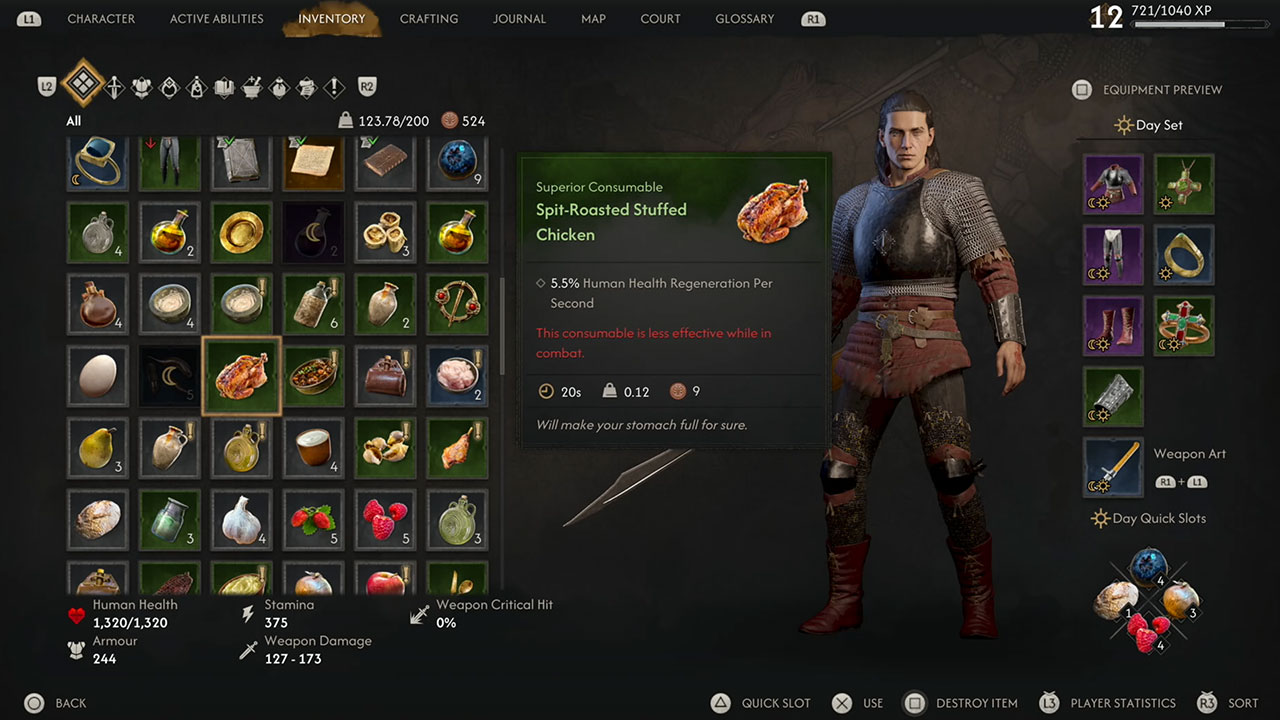
Unlike those lords, you can traverse during the daytime though as a human. As both a human and vampire, you have a ton of strengths and weaknesses to go along with, depending on the day cycle. Depending on whether its sunrise or sunset, different quests and shops are either active or closed up. You can’t take on vampire quests in the daytime, and only certain shops with more exotic goods are open at night. By day, Coen fights with either his sword (melee) or witchcraft (ranged), though he cannot take as many hits and doesn’t dish out as much damage. By night, Coen’s vampirism is active and makes him do all sorts of supernatural nonsense like phasewalking onto walls, teleporting and disappearing into clouds of moths, do a bunch of cool blood-infused moves, and fights fast with his claws.
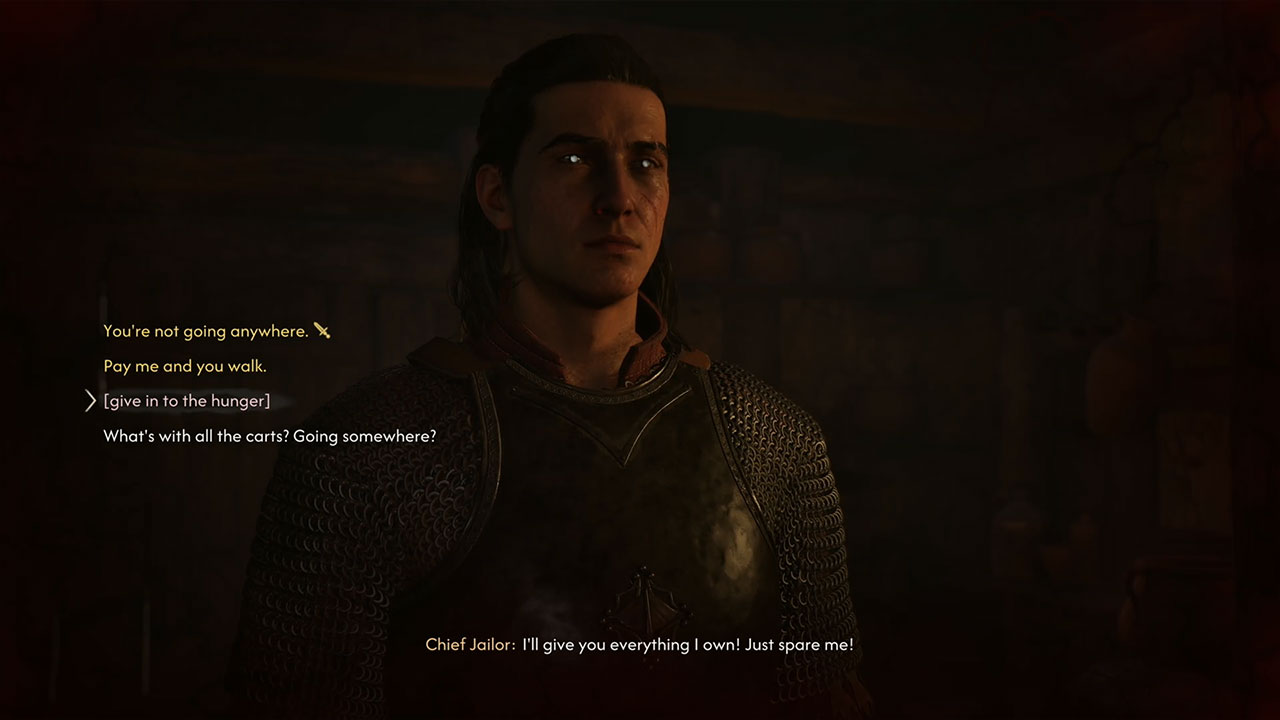
Yet he cannot take food to heal; he needs blood,and if his health is down to just one segment (out of the default three), he can automatically drain foe and/or friends nearby, giving in to his hunger. Yes, you can just kill off important NPCs mid-conversation, and it will affect the conclusion.
To advance time, all you need to do is either go through with a quest and complete them, level up via the game’s skill tree and gain new skills and abilities, or just wait it out via the shrines placed throughout the road and region. While there might be a small-time game that may have a similar system, this is the first time I’ve seen a CRPG handle this passage of time and cycles in a pretty neat manner. This means that you can spend hours on the world map exploring and just killing most mobs without advancing the day cycle at all; you only do this manually and not by accident, or even automatically. Your time is your own, literally, and Rebel Wolves respects it.
Night Crawlers
The other beauty of Blood of the Dawnwalker is its focus and detail: every main quest you take is anything but bloated and does not feel like filler. Each undertaking takes you steps closer to your objective: either a way to get to Brencis and your family, or more power for your witchcraft or vampirism.
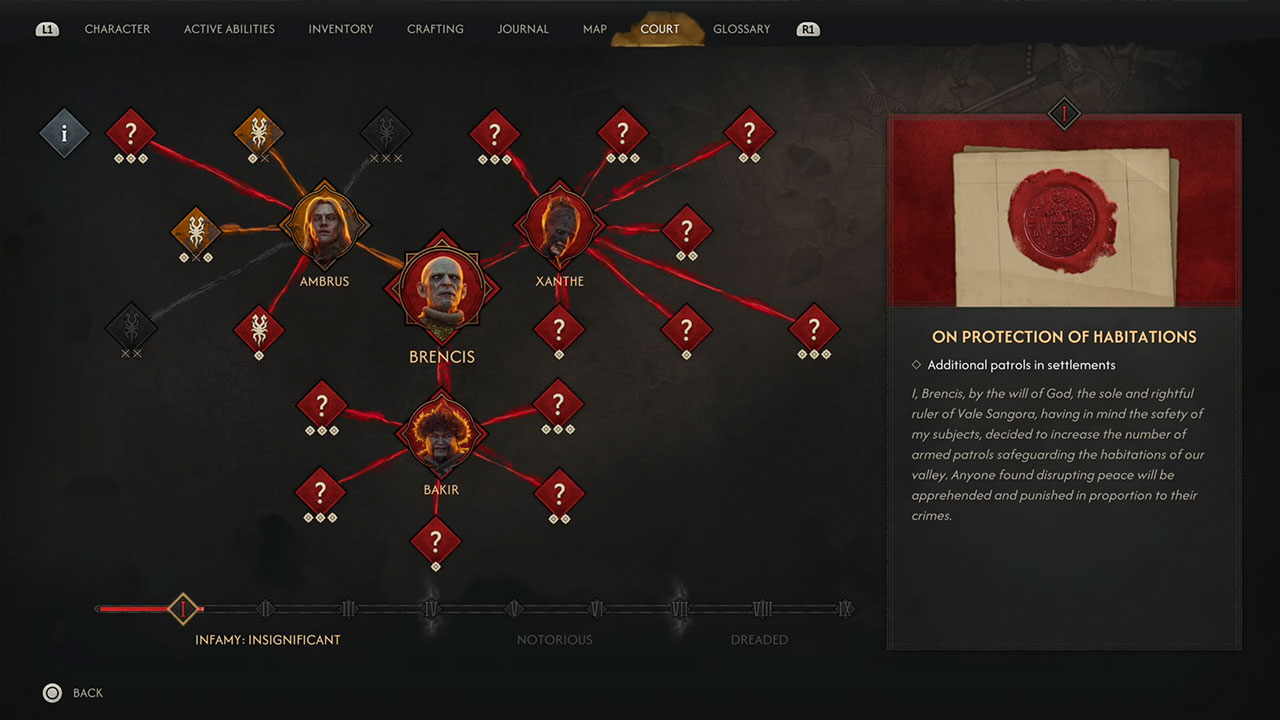
My entire first playthrough from the start to one of the game’s many endings was 20 hours, even with a few sidequests involving searching for stones of power and getting shards for a mega-powerful vampire-ending sword. And most of them are both entertaining and insightful, giving you a clearer picture of this 14th-century timeline that also has its issues with classism, racism, sexism, prejudice, and outright brutality. All of them will influence your story on whether you really want to rescue your family AND deal with the ruling class of vampires, or just support them and give in to their nature. The more you mess with the vampire status quo, the more the world reacts to you. Kill enough of the vampire lords Ambrus and Bakir’s operations involving blood trafficking, and you’ll have more guards hunting you down and more checkpoints on roads stopping you from taking the main roads.
Without spoiling anything, all resolutions to the game’s storyline aren’t completely black and white, as it does make you ponder on the nature of man and the supernatural, given the unique gatekeeping situation. That said, the endgame’s true villain’s master plan does feel pretty cartoonish and is something you can see coming a mile away; a bit jarring for a game that surprises you with its narrative twists and turns.
Vampire Slaying , One On One
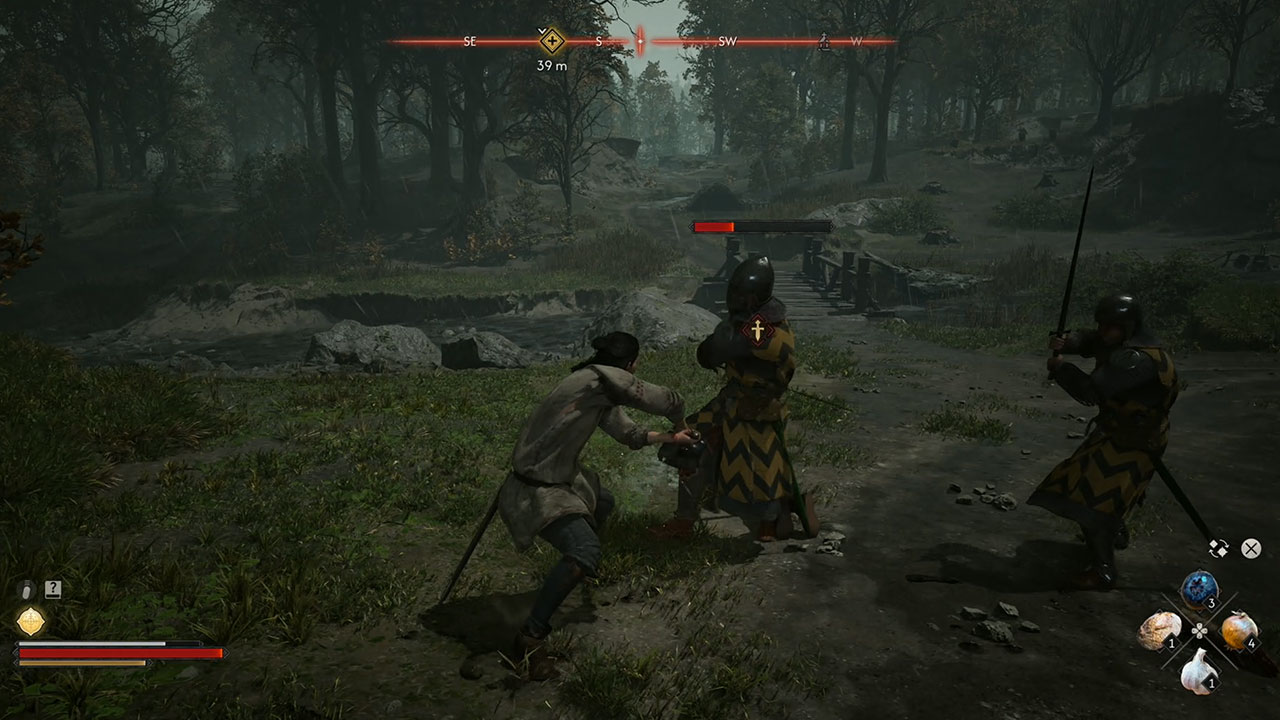
Which brings me to The Blood of Dawnwalker’s contentious mechanic: the combat. See, fighting in the game has you blocking and parrying attacks from one of the four directions: left, right,up, down. You can also attack enemies from different sides too, depending on the directional input you land after you press the attack button. As such, the game takes a duelist’s approach: you lock onto one enemy and can see what attacks are coming at you before you block or move out of the way, then counterattack. At the same time, you have to watch out for other enemies who will flank or bumrush you from behind, adding all sorts of multitasking needed to stay alive.
I won’t lie: combat gets brutal in the first 5 hours as I’m getting to grasps with soldiers and fast dogs ganging up on me and mauling me, resulting in frequent reloads -god bless the game’s quicksave and “save anywhere” function. But once you unlock a few skills that let you take less stamina when blocking, or dealing double damage after a parry, or just unlocking other neat skills like ranged witchcraft spells (that uses your health as ammo), you’ll get to the swing of things.
The game slowly throws in more mobs and different enemy types at you, with boss fights being the more special battles that require all-new tactics and parrying timings to deal with. The duel-centric nature of combat is unique and personal, at least in my opinion, and does add credence and thought whenever you think that swinging your sword wildly will get you ahead. It won’t: enemies evade your attacks moreso than usual and are very aggressive with their blocks and counterattacks.
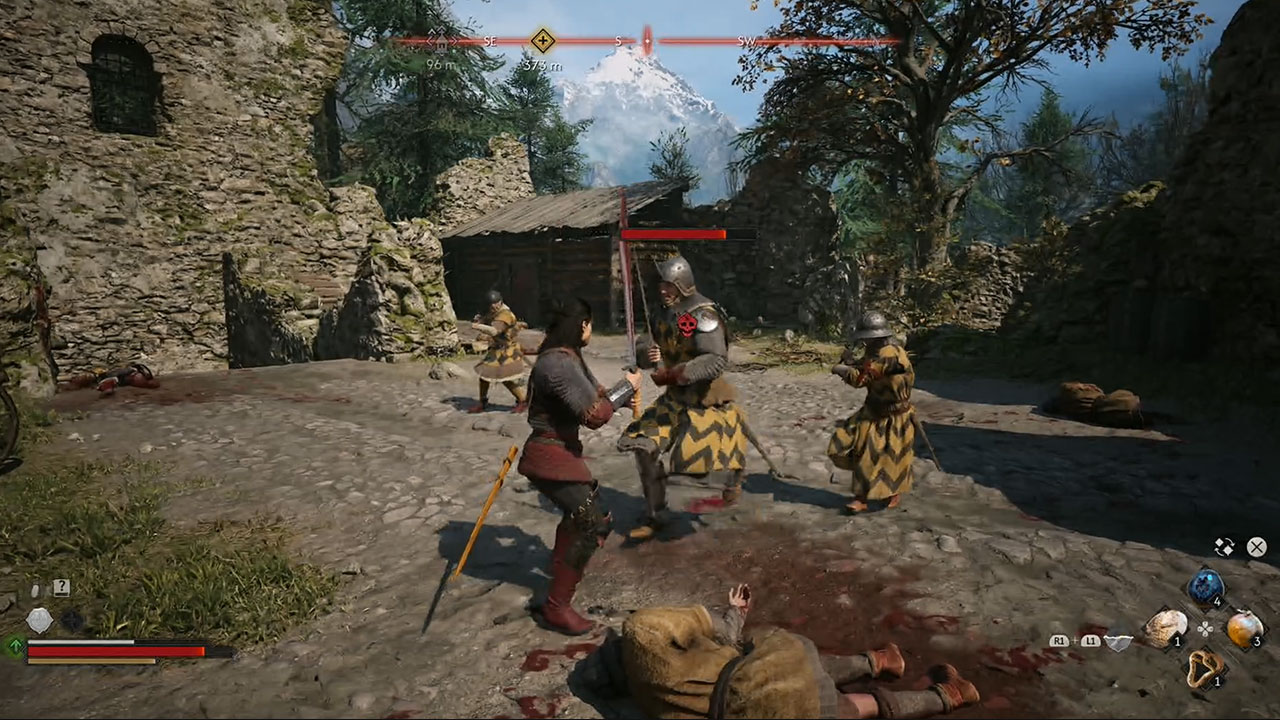
That said, the enemies later on do feel like they have been given huge hit point buffs, to the point of being incredibly spongey. Unless you spend a lot of time getting better gear, get used to simple mob fights lasting longer than 10 minutes. I got through many tough encounters in my total playtime of 50 hours , and even I feel that these fights go on way longer than they should unless you tweak the difficulty settings here and there.
The auto-camera that tracks you during battles also get wonkey at you, especially when fighting in areas with a lot of ground obstacles and pillars/vertical slender objects. Half the time, I can’t see which non-targeted enemy is going to take a swing at me because the camera decided that clipping through a nearby guard tent is the optimal view for my royal rumble with the evil town guards.
Just like the aforementioned open world CRPGS, The Blood of the Dawnwalker does have a few bugs and glitches popping up here and there. Whether it’s facial features or textures loading up too late, or the enemy AI crashing out and just blocking the doorway unless you make a move, they do occur. Thankfully, none of them seem gamebreaking and are more hilarious to deal with, though one or two require a quicksave load.
Teeth-Sinking
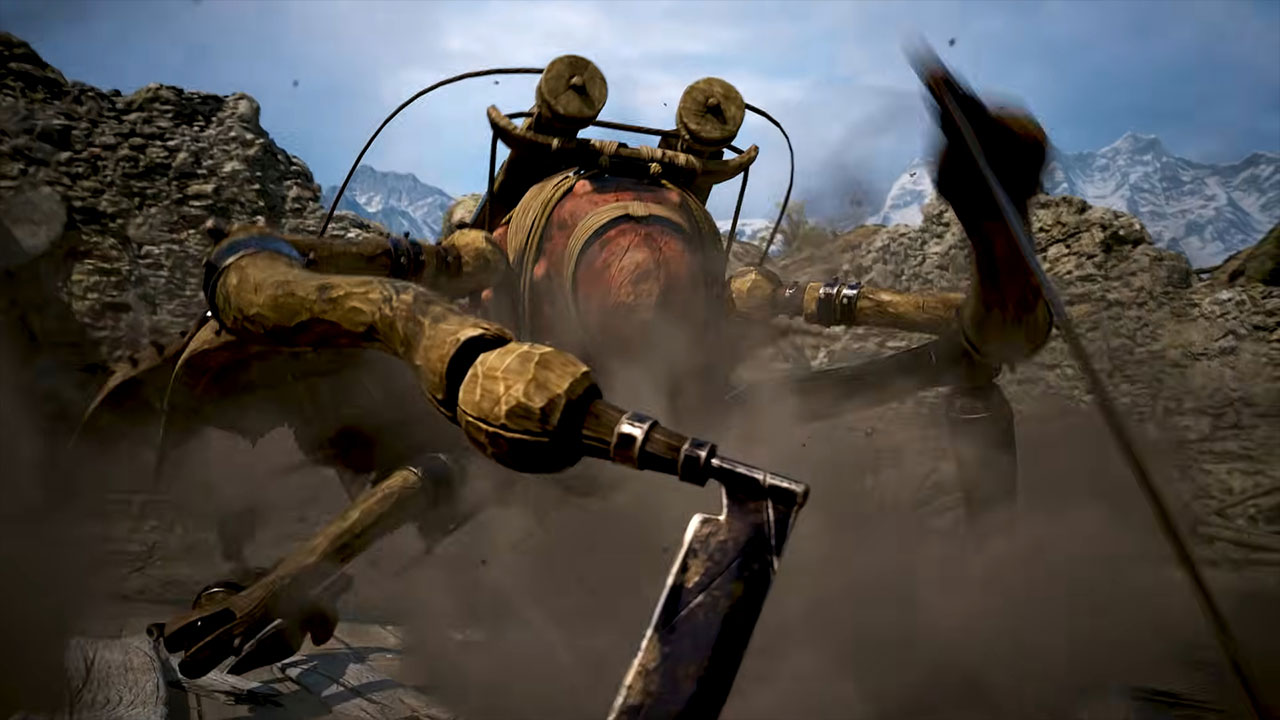
Despite its open-world technical issues and certain aspects of its combat, you’re in for a bloody good time with this vampire-laced role-playing tale. The Blood of Dawnwalker is this year’s spotlight CRPG entry that hit all the right notes with its story, characters, world-building, and overall adventure & capstones. It’s even more impressive that for all of its technical faults, this giant adventure is made by a mid-sized startup game studio that has its message and intent realised.
It’s been way too long since we had an epic vampire RPG tale that does its source material and worldbuilding justice; The Blood of Dawnwalker hits the right artery for a gushing windfall for players to bathe in.
Pros
- Epic narrative with multiple paths & endings.
- Main characters are more than two-dimensional tropes.
- Cool powers & abilities for traversing and combat.
- The day-and-night cycle and time system are awesome.
- Directional combat is mostly action-packed and challenging….
Cons
- …except when they go on too long with high-health enemies.
- Awkward camera movement during fights.
- Some technical issues in the open world and early moments.
Final Score: 80/100
Review copy provided by publisher Bandai Namco.



Leave a Comment