
A Southeast Asian Artist’s Journey On Working With This Generation’s Biggest Game Franchise

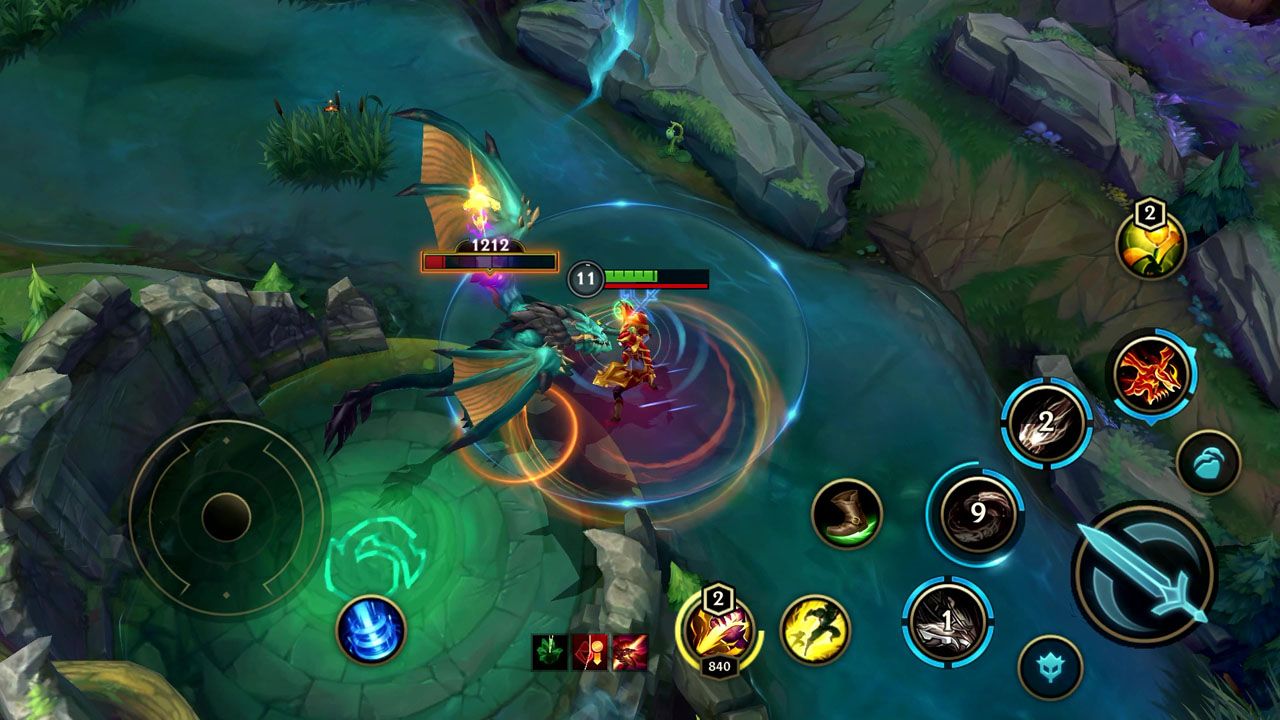
The multiplayer online battle arena juggernaut title League of Legends is a far cry from its “indie” self back in 2009. Now, it’s one of the top esports titles around with major players, bigger prize pools and international standings, not to mention a mobile fast-paced version of it called League of Legends: Wild Rift to tap into the mobile MOBA market.
Part of why the LoL series is still standing around, apart from its attempt to spin off to different genres like fighting games and animated TV series, is due to its ever-evolving artwork and aesthetics. Developer and publisher Riot Games spare no expense in giving the top artists a playground to make new characters and ground established settings like Zaun and Ionia with lovely iterations for the eyes. And it’s great to know that Southeast Asia is getting a piece of that pie with Riot’s Singapore-based studio.
In an effort to highlight creative talents from Southeast Asia, Apple has put a spotlight on local creatives via the Here’s to the Dreamers campaign. The game-related topic? The art of League of Legends: Wild Rift. Our subject? Vietnamese character artist Duy Nguy?n.
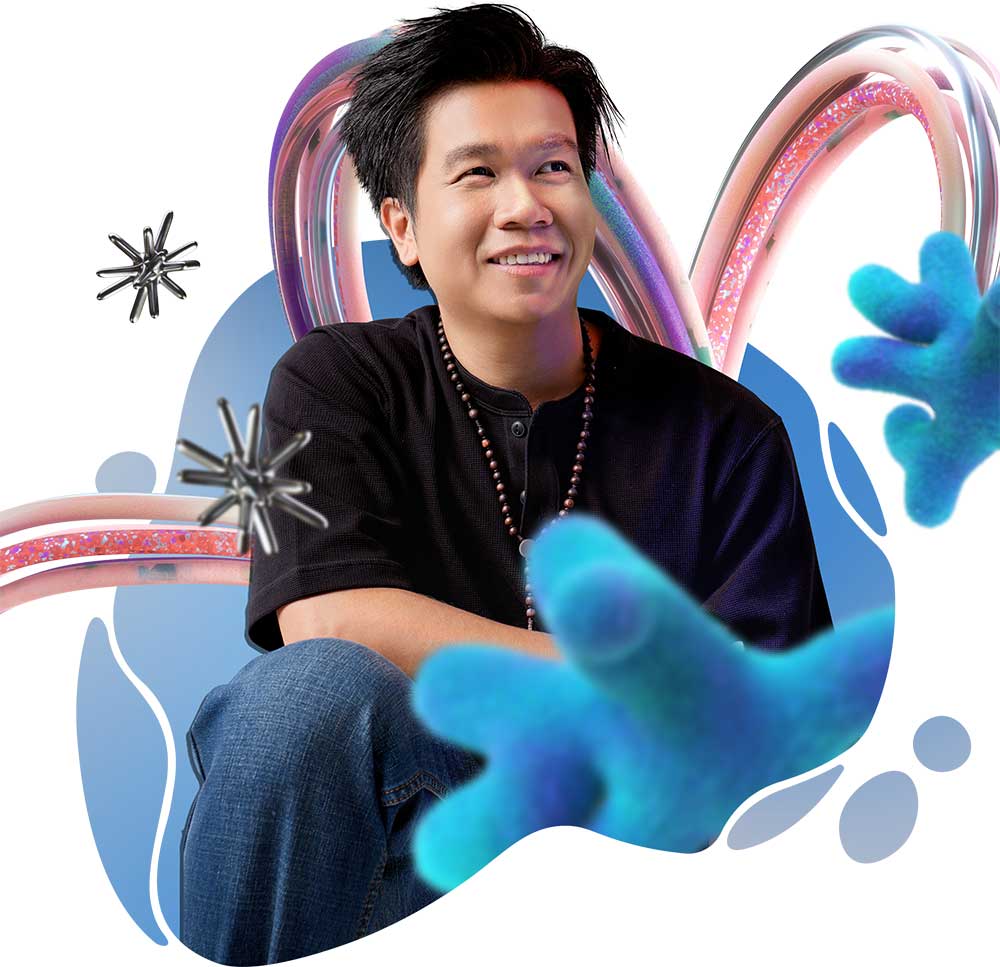
Duy’s journey is a story of creative persistence, from failing to get into architecture school without much hope for a good-paying art career, to winning an art competition that opened doors you could only dream of. Today, he continues to push creative boundaries and mentor new talent in Southeast Asia’s gaming scene — bringing characters and worlds to life for one of the most iconic games played around the world.
What was your journey like as a creative artist from Vietnam to Singapore to Riot Games?
Duy Nguy?n: My dream company, at the time was Blizzard. When I was in school, I tried so hard to get their attention, I even won multiple art contests, in hopes that they would offer me an opportunity.
Two of them were Blizzard student art contests but they never reached out. That same year in 2024, I was at the Game Developers’ Conference when Riot Games had a booth. I showed up with my printed portfolio–this was before people had websites–and someone from Riot spent hours reviewing it and giving me feedback. I was very appreciative but still hesitant because I wasn’t sure if it would be a good decision for me.
I had even chatted with my cousins, who are all LoL fans and of course, they encouraged me to get on board to work on LoL in Riot Games. When COVID-19 hit, things changed and that was when Riot offered for me to move to Singapore for work. I wanted to make sure that I stayed close to my family while being safe so I accepted their offer and I feel that was the right call.
How is the behind-the-scenes process for Wild Rift art-wise?
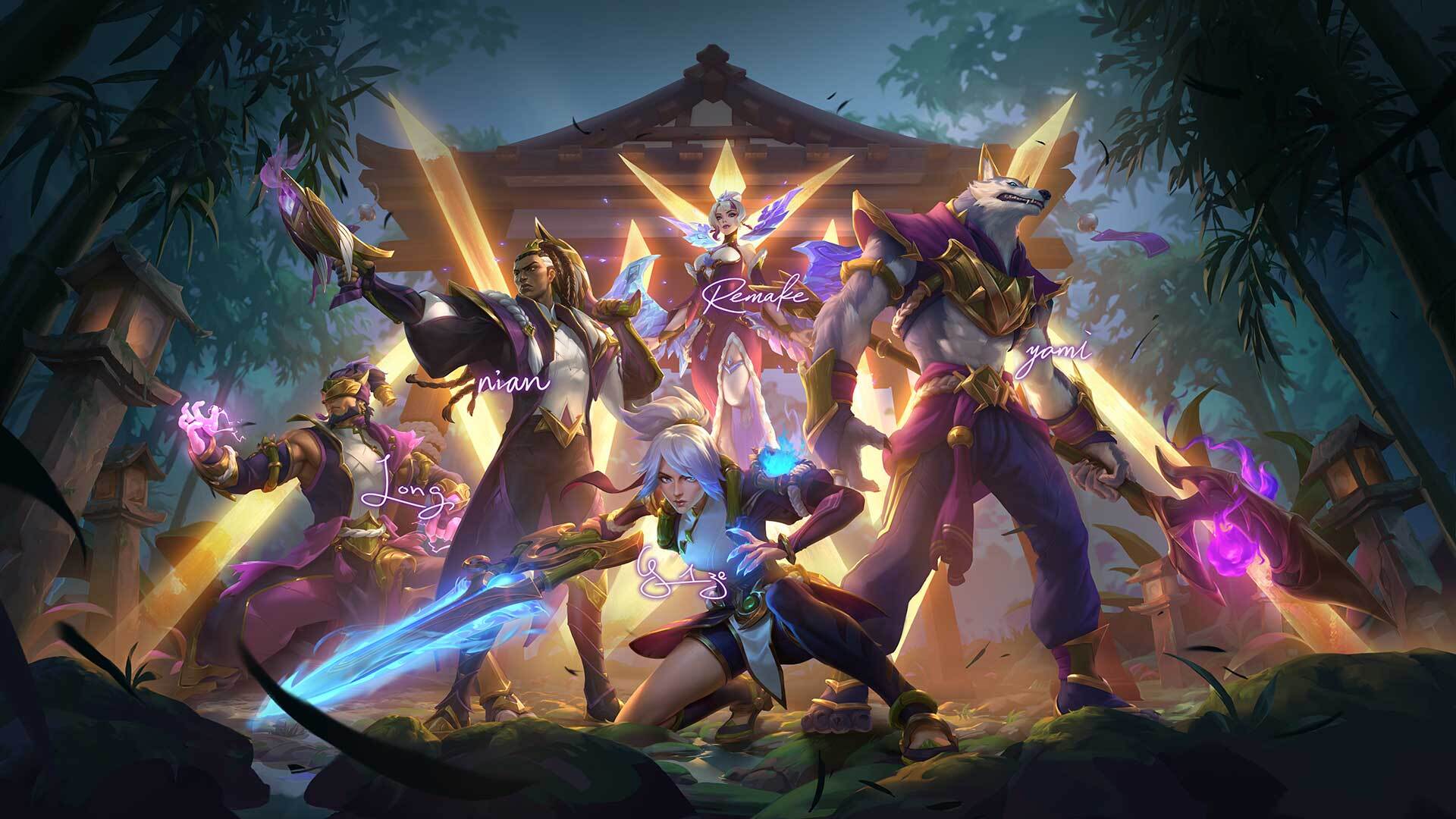
DN: Gameplay comes first. We look for specific gameplay and or roles that need to be added to the game. After, we move on to building the character’s visuals.
It’s important to us to find a character’s edges; what makes the character special and unique, while making sure that there is no overlap with any existing LoL characters. Then, we come up with the character story, deciding the region they originated from, their personal history, personality and even their weapons to make sure they relate and are consistent with LoL world-building.
Once we’ve landed on the final concept, we create it into 3D, do rigging, animation and add VFX/SFX. There is usually a lot of back-and-forth discussions and not entirely streamlined.
What does it mean to foster a “winning together” mindset when making Wild Rift art?
DN: I believe in any job out there, it’s easy to make it all about yourself, but that’s not real teamwork. What’s powerful is when you take what someone else started and elevate it together. When that happens—when everyone is contributing with each other’s best interests in mind—it creates something really powerful. That kind of win feels way better than winning alone.
Now that I’m in Singapore, I want to build that kind of culture here too, where we support one another and win together. It becomes less about me expressing my creative instincts because I can do that on my own time.
While I do express my opinion to see if it aligns with the project and audience needs, when it comes to work, it’s always about the player and how we can help the players win and enjoy the game so that we all win together.
How has collaboration, trust, and believing in your own talent shaped your journey & career?
DN: For a while in the beginning, I’ve spent many nights wide awake – struggling with doubts. Years pass, and you’re not sure if you’re still moving forward. It’s painful. But I’ve learned to take them as my teachers, to keep me humble.
It helps me remember that I’m still human, and it’s important to be kind to others. For me, being an artist is a journey of growing, both as a craft and as a human. We make friends along the way and learn from the joys and pains.
I grew to be more confident and trusting of myself and my craft. I’m also incredibly lucky to have my family around to support me.
Who is your favourite LoL: Wild Rift character to draw, and why? Conversely, is there a character you wish to make art for under Riot’s stable of games?
DN: I have many favourite LoL Wild Rift champions, but if I have to choose, it would be Yasuo. He’s such a cool character!
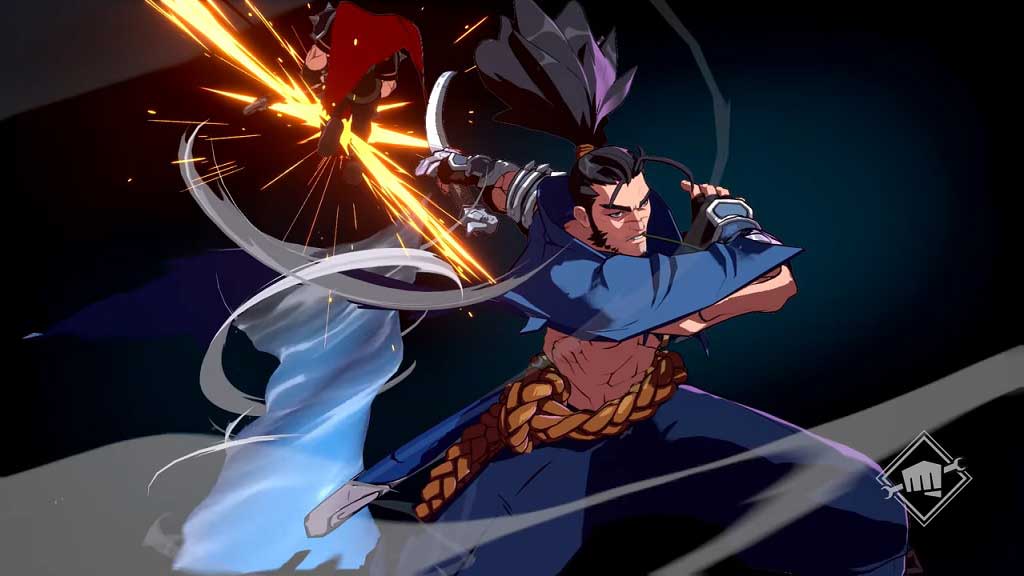
During my time, I have made many skins for almost all champions of LoL. But I think Jhin is my favourite champion to make skins for. His shapes and archetype are so easy to create awesome skin.
How is the art and art production scene in Vietnam? Is it improving beyond being just another “asset farm” for bigger studios in Japan and America?
I worked mostly in the US and Singapore. I’m also trying to understand the Vietnam scene nowadays as I think Vietnamese studios are getting stronger both in the craft and development experience.
If you can pick any existing video game IP to make art for, what would it be and why?
I love LoL but I’ve already worked on that game and am making art for it every day. If I could, I would love to make fan art for Black Myth Wukong. That game is awesome and I believe every Southeast Asian kid from my time would love to be Sun Wu Kong.
AI is taking over the art world. Is it truly a tool that is bankrupt creative-wise, or is there still hope to make it legitimately valid as as a tool for artists?
DN: First of all, this is my own opinion. I’m not representing my workplace. I believe that AI will influence art and education. Having new tech and tools powered by AI is great to speed up the process and make things more efficient, so you can focus on the more artistic and abstract parts of the work. I think if we have more of the younger generations relying on easier ways to learn and work, we can think more about what it means to be an artist.
For me, being an artist is a journey of growth, both as a craft and as a human. We make friends along the way and learn from the joys and pains. If I let AI take over the creative process for me, then I lose my real purpose – to create and grow. If one day AI takes over the creative industry completely, then it might not be the kind of industry that I want to be part of.
I also feel that there will always be people who will enjoy art made by people. Sure, AI can generate a polished image quickly. But it doesn’t feel human. When I draw something, I put a piece of myself into it. That’s what makes art meaningful. When two artists collaborate, they bounce ideas off each other and grow. That doesn’t happen with AI.
Eventually, AI art becomes repetitive. It’s like inbreeding—technically fine, but lacking soul. Art should surprise us, move us, and reflect who we are. And that spark only comes from human experiences.
I do art because it’s fun and I enjoy every moment of it, even when I fail and realise that I need to improve my skills. I feel that using AI as a shortcut is kinda weak. AI could help with tasks like cleaning up or repetitive parts of the process. But even so, why let the machine take the fun away?
Leave a Comment