
Samsung Galaxy Z Fold 8 Review: Rewriting the Foldables Playbook
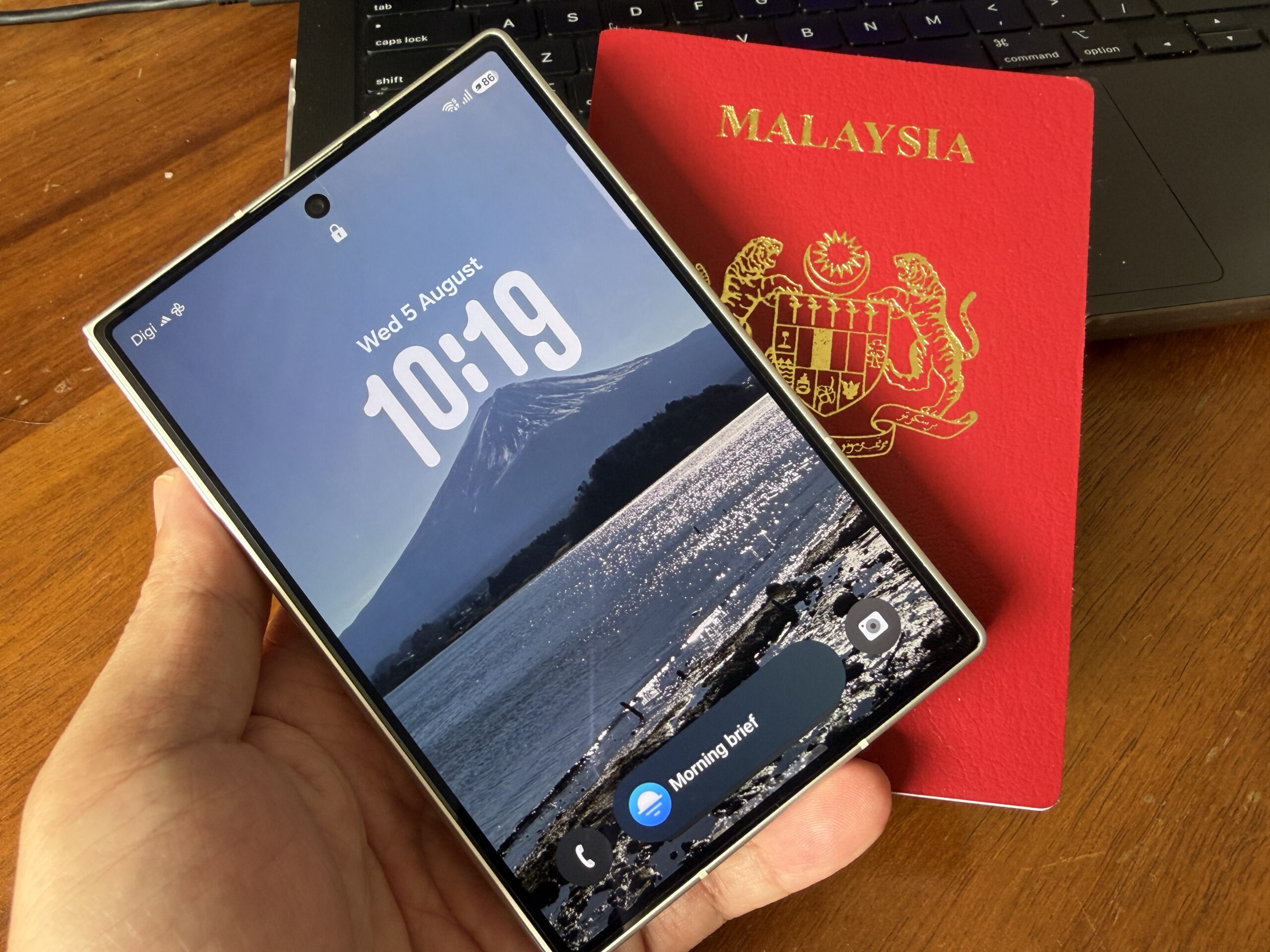
Samsung’s Galaxy Z Fold 8 is already running away with the 2026 Smartphone of the Year title.
What makes this crazy is that it’s not even Samsung’s most expensive or feature-packed phone of the year—those honours belong to the Z Fold 8 Ultra and the S26 Ultra. We haven’t seen a device shake up the market like this since 2019, when the original Galaxy Fold first pushed foldables into the mainstream and forced the entire industry to rethink what a smartphone could look like.
After years of tweaks, tinkering with cover screen dimensions, inner-sceen crease reduction and overall device footprint, Samsung seemed to have perfected the formula with last year’s Z Fold 7. Despite that, in our review of last year’s flagship folding device, we questioned how long would the Korean tech giants stick with this playbook which perched them atop of the foldables market for so long. Thankfully, they got the hint and blew everyone out of the water with a fresh new take in the form of the Z Fold 8. Addressing the nomenclature confusion, the Z Fold 8 is ultimately a new device in a new-ish size category. The direct sequel to the Z Fold 7 is now the Z Fold 8 Ultra, strictly emphasising its larger screen sizes, battery capacity and a more impressive camera setup.
You know how in typical MCU movies, the main star tends to be the tallest, chad-est, chiselled-jawed specimen to ever graced God’s green Earth. Think Chris Hemsworth as Thor or Chris Evans as Captain America. But somewhere within the mix up pops scrawnier-built, wisecracking and fast-talking characters who steals the limelight. We are talking about the Robert Downey Jrs. and Tom Hollands of the MCU. Spider-Man may be leaner in build but not in charisma and presence. Or in kids nowadays’ speak – They have the ‘aura’.
It’s the intangibles that put the Z Fold 8 ahead of its beefier brother, the Z Fold 8 Ultra and boy do they come in spades.
The Next Evolution in Inspiration
Our first impression when we first experienced the device was akin to a blast of fresh air after days of being cooped up in an air-conditioned room. Everything felt different, yet familiar. Foreign yet natural. The whole ‘why did it took them so long to come up with this?’ then realizing – oh wait. This is NOT the first foldable sporting this passport-sized screen dimension.
In actuality, several phone makers have taken a punt with this design, most notably Huawei with their Pura X and the original Google Pixel Fold. The older of you would recall the BlackBerry Passport which in our books, design-wise, closest resemble the Z Fold 8. With an outer screen measuring 81.9 x 123.9 mm, the Z Fold 8 can be completely hidden under your passport (88.0 x 125.0 mm). It is also worth pointing out that the Z Fold 8 is Samsung’s lightest foldable yet at a meagre 201g.
But what sets the Z Fold 8 apart from previous similar-sized devices was the execution. Well into their 8th-Gen foldable means that Samsung have mastered the art of building lean, barely-there hinge mechanism, which gives the Z Fold 8 an almost invisible hinge bulge. As a result, this makes width measurement closer to mainstream, candybar-style devices possible with little compromise. For the record, an iPhone 17 Pro Max measures about 78mm across. The Z Fold 8? A mere 3.9mm difference.
One of the gripes raised against many foldables of the past was that the cover screens were too narrow for any meaningful typing, prompting constant unfolding of the devices, which can be tedious. This added width on the Z Fold 8 solves that issue. Save for wide-screen specific tasks such as watching movies, checking maps or playing games, you can go the whole day on the device without even using the inner screen. We use Gboard on all of our Android devices and we found the keys to be perfectly-sized here, as opposed to being narrow and squashed when used on foldable cover screens of old.
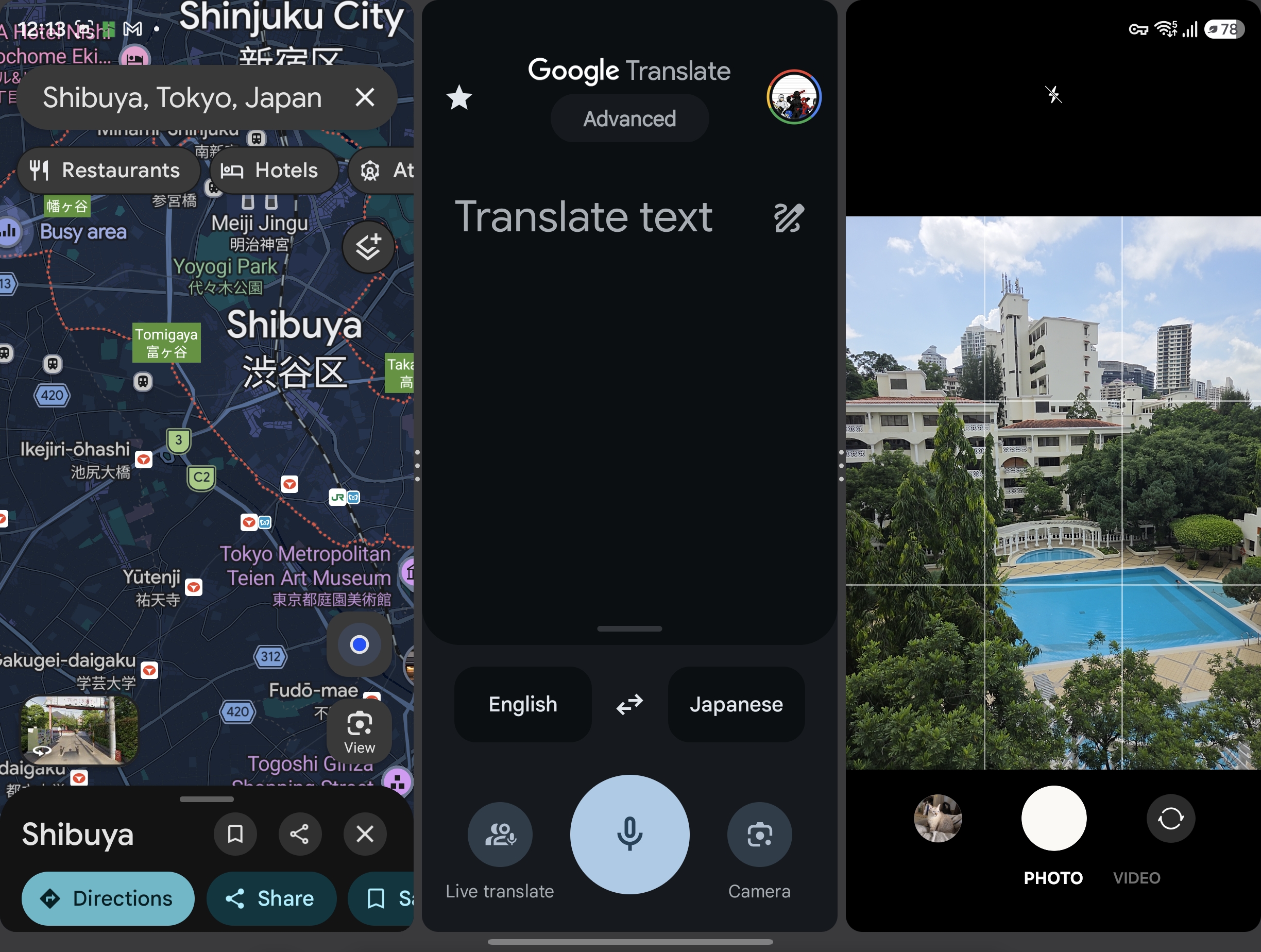
When unfurled, you get a glorious 161.4 x 123.9mm inner screen sporting a 4:3 ratio which is awesome for navigation, media consumption and gaming. This 7.6-inch screen is very close to the size of an iPad mini (~8.3-inch) but with all the functionalities of a standard Android device. But what sets this device apart, and miles ahead of the functionalities of an iPad is the Android ability to run multiple apps at once via split screen. You can now doomscroll on both TikTok AND Instagram simultaneously. In case that isn’t enough, the Z Fold 8 has a trick up its sleeve, which is not even available on the Z Fold 8 Ultra – The ability to run a three-way split screen.
Now you can add Twitter into that mix. If you want to.
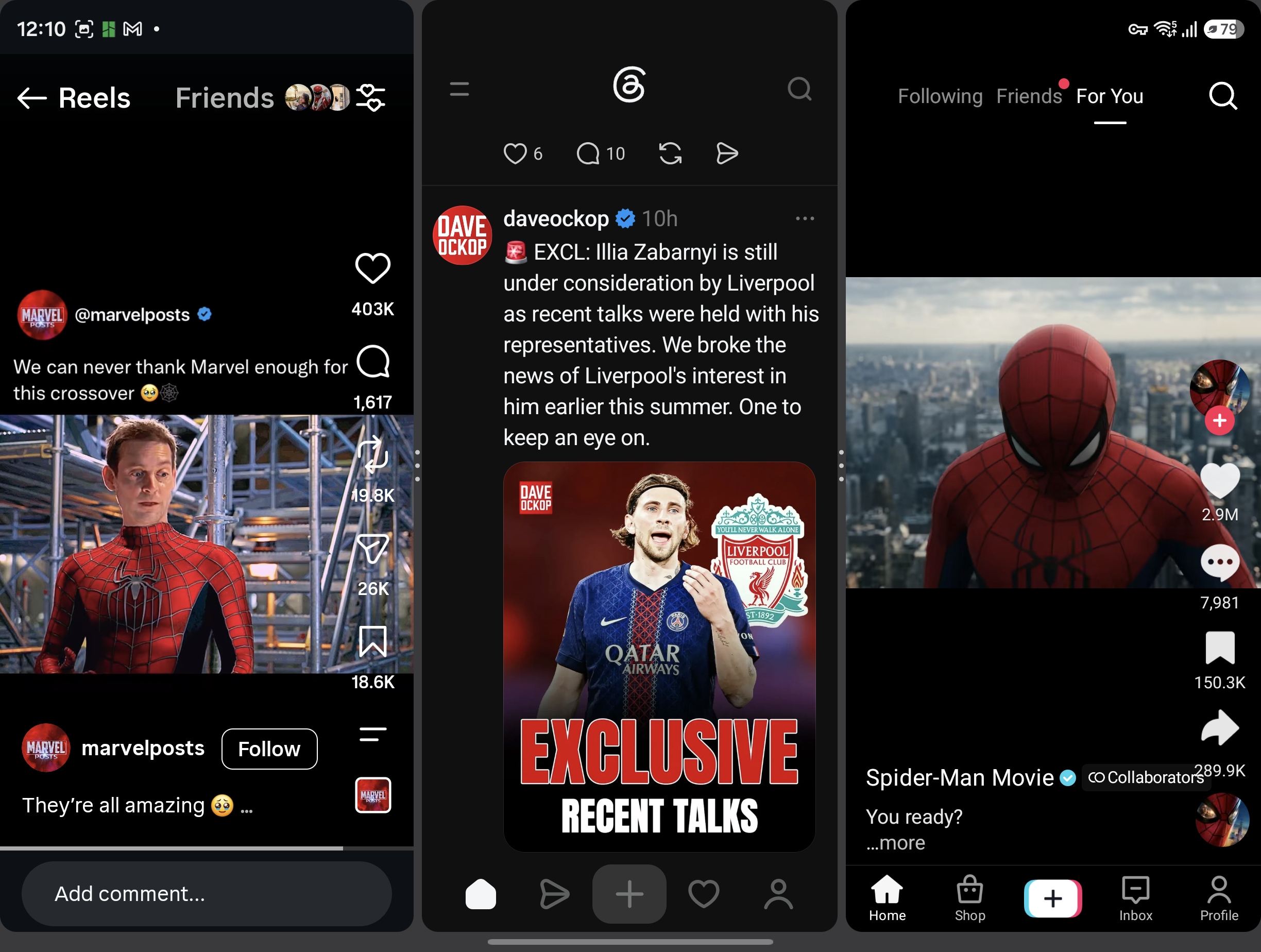
Overkill, definitely. But imagine traveling overseas with maps, Google Translate AND camera turned on at the same time. Bonkers.
Inner screen crease has always been the bane of foldables, and in the Z Fold 8 (and the 8 Ultra), Samsung may have crept closer to the solution than ever before. To achieve this, Samsung debuts a new tech called ‘Flex Titanium’ which minimizes the crease whilst also improving the inner screen’s durability.
When the screen is in use, the middle crease is not as visible compared to previous models, but it is there if you deliberately look for it. The cost of this, however, is the omission of one of Samsung’s foldables’ iconic features – The Flex Hinge. Since the Galaxy Fold and Flip 5, users were able to position one half of the inner screen in an angled position for a range of apps, allowing added functionality. In short, Samsung chose durability and fewer creases over angled usage. This limitation isn’t limited to the physical build, as the corresponding ‘Flex Mode’ is also missing from the Galaxy UI, which serves as the main software interface for all modern Samsung smartphones.
S Pen support remains notably absent—a feature omitted since the Z Fold 7. Given the Z Fold 8’s expanded inner and outer displays, reintroducing the stylus feels like an obvious win for Samsung. Still, this leaves clear upside for future generations. Mark our words: S Pen integration and an upgraded Flex Hinge will be major selling points for upcoming Z Fold models.
The Final Shape of Foldable Smartphones
As a daily device, the Z Fold 8 is a wonderful piece of tech. Switching to it from a Samsung Galaxy S26 Ultra is seamless, especially due to the wide cover screen. We did not feel much compromise in our daily output and in fact, more optimised by it. The Z Fold 8 is the closest to a perfect foldable to date and Samsung knows very well why. The camera setup is way off from what is being offered on the Z Fold 8 Ultra, and it is obviously deliberate to separate these two models. Other features you can consider ‘lacking’ would be the comparatively ‘smaller’ battery at a meagre 4800mAh. However, this is still larger than last year’s Z Fold 7, which came with 4400mAh.
With a more efficient and newer chip, larger battery on standby and significantly smaller cover screen which in theory carries the heavy lifting for your daily usage, the Z Fold 8 is easily a-day-and-a-half smartphone for anyone save for the heaviest of users. Still, they’d get to the end of the day with plenty of power to spare. And to top up on power, Samsung also upgraded the charging capability of the device, now allowing up to 45W of wired, fast charging. Of course, you’ll need a special kind of charging block to enable this since Samsung does not provide one with the unit. Wireless charging efficiency has been bumped up to 20W but since the phone does not come with built-in magnets, we recommend slapping on a Magsafe-compatible case.
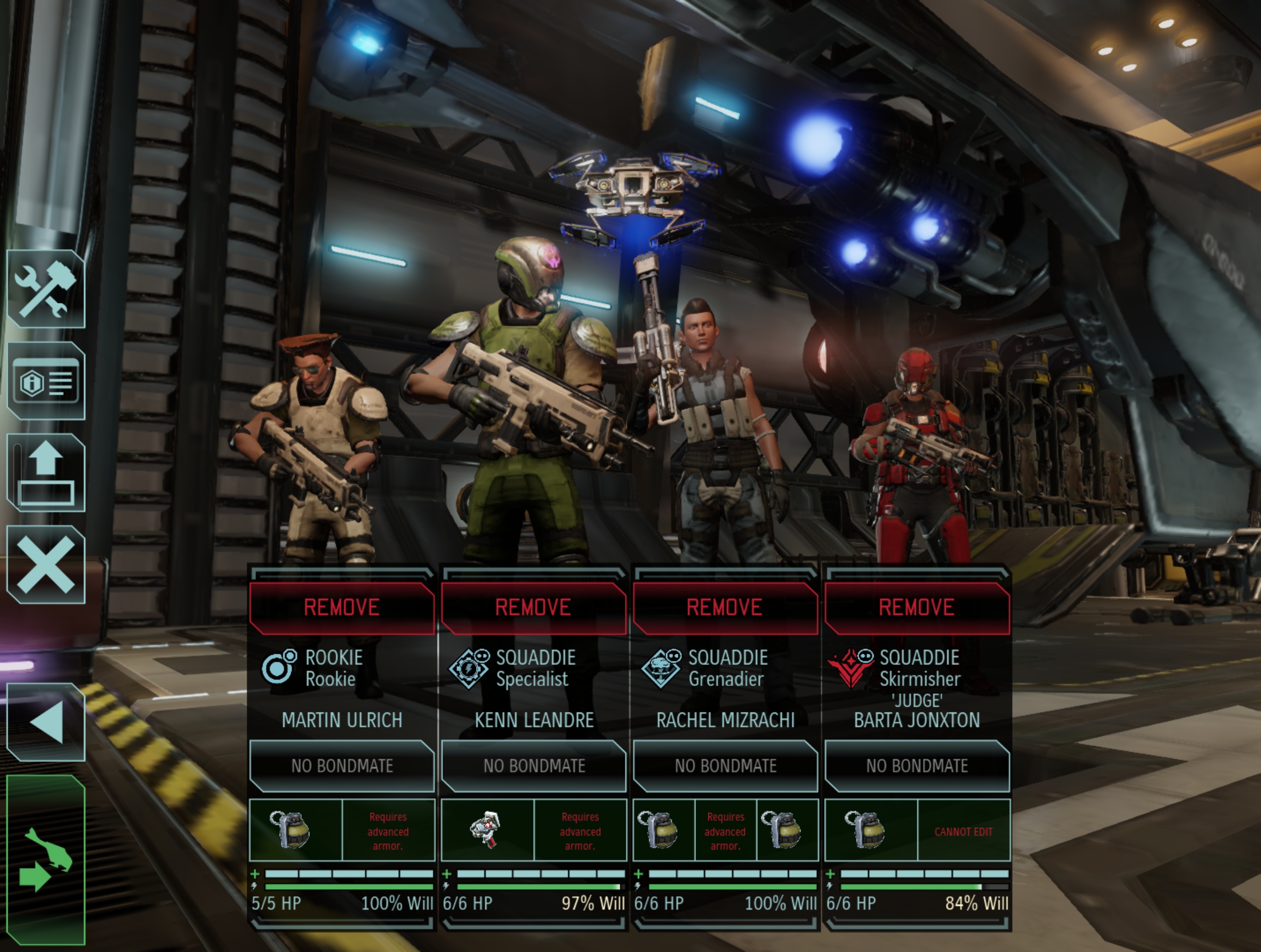
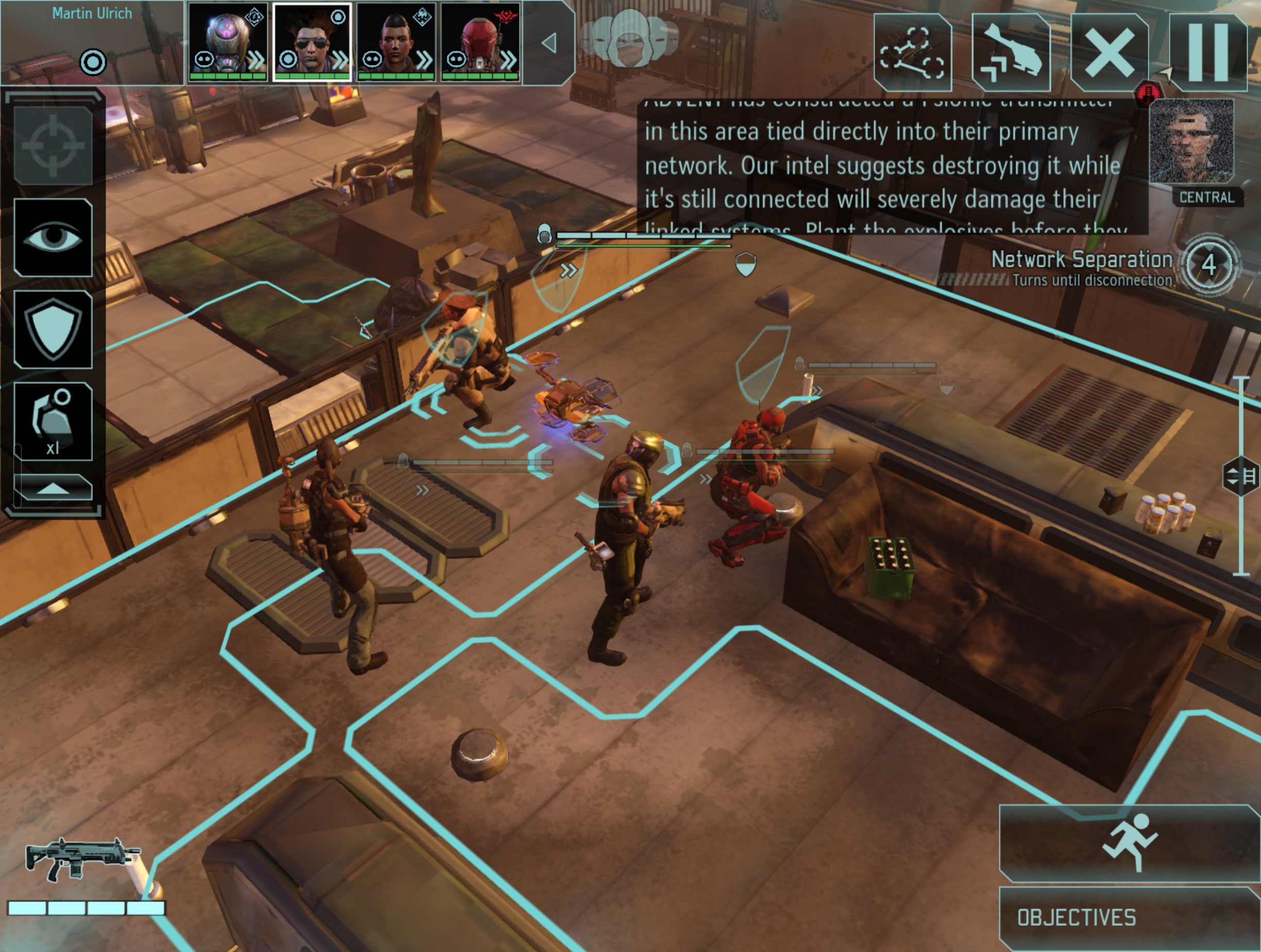
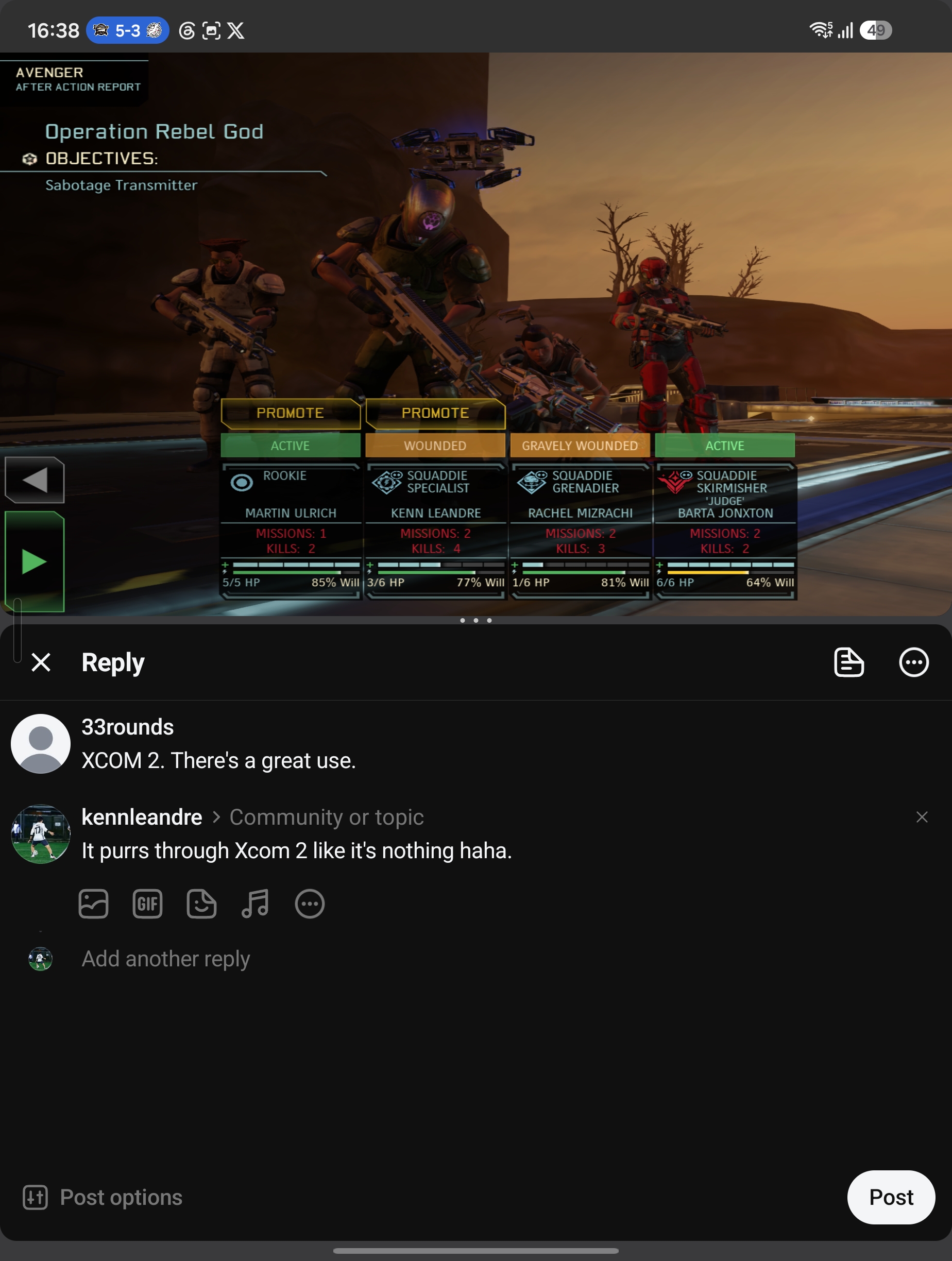
Gaming-wise, the inside screen is perfect for any kind of gaming thanks to the screen’s high refresh rate and efficient chip. We went ham with Metal Storm, COD Mobile and our old-but-gold, the ultimate mobile game stressor, XCOM 2. No lags, no overheating, just my squad missing their shots even with 85% chance of hitting the enemies. Heck, you can run both XCOM 2 and another program concurrently and the Z Fold 8 holds up like a champ.
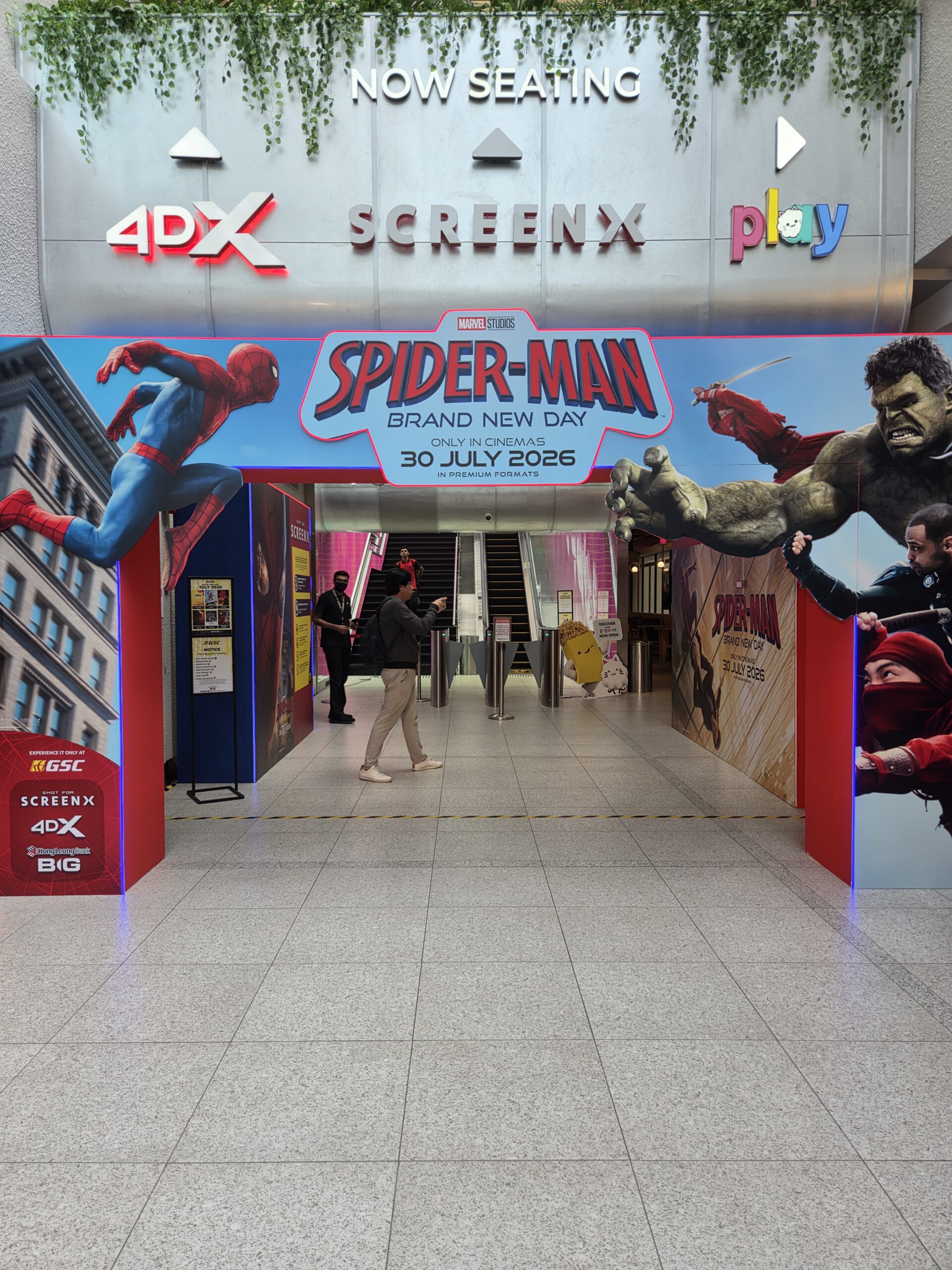
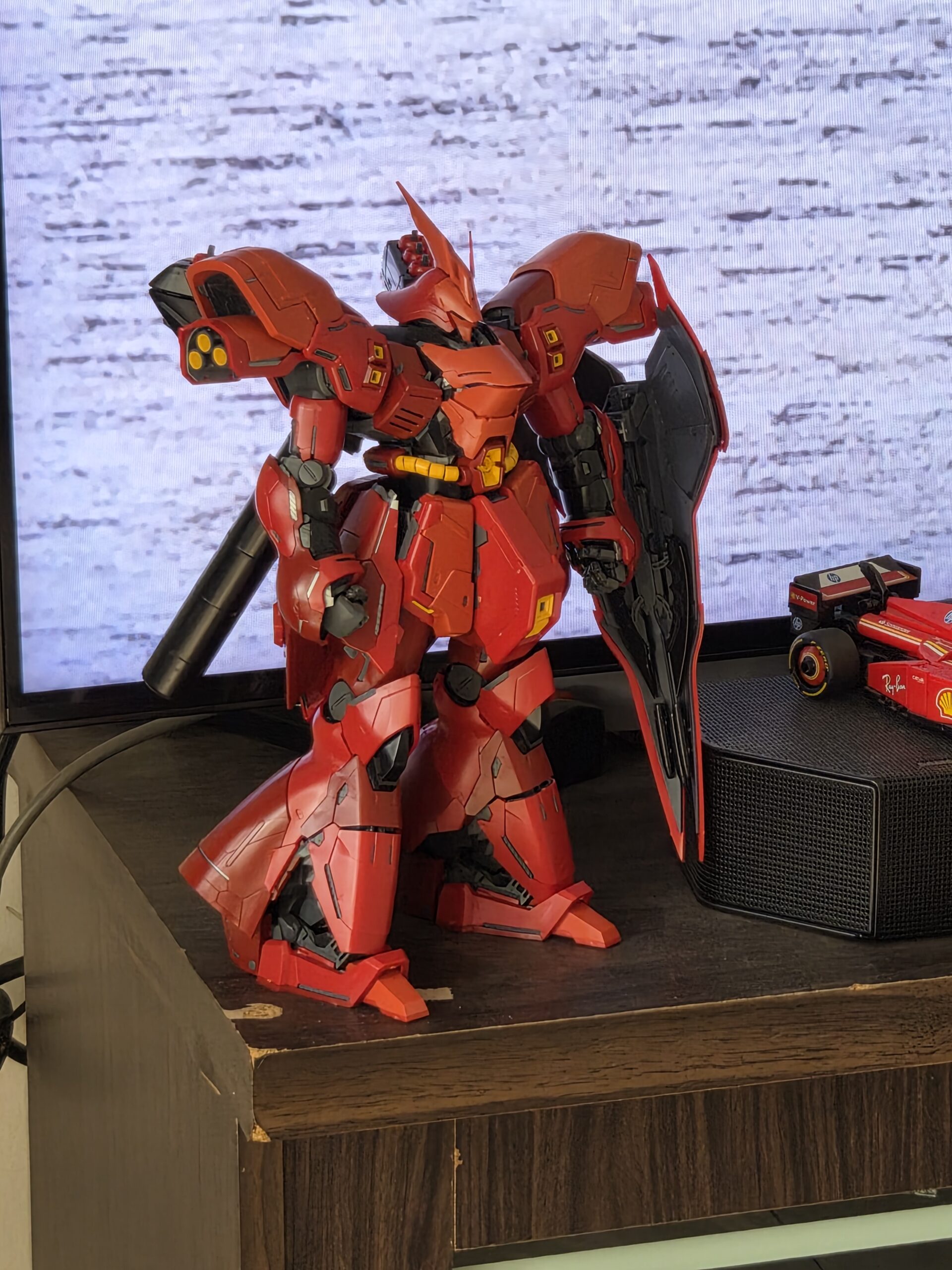
The glaring omission and downgrade from the Z Fold 7 is definitely in the image capturing department, where it loses the Telephoto lens, and ‘downgrades’ its wide camera from 200MP to ‘only’ 50MP. However, Samsung upgraded the ultrawide feature to 50MP from 12MP last year. Then again, these are totally serviceable for my typical use case, which involves snapping photos of sceneries, pets, action figures and memories – all on auto mode more often than not.
Both selfie cameras (cover and inner displays) remain the same with a 10MP setup and video-wise, remain mostly similar with 8K@30fps, 4K@30/60/120fps, 1080p@30/60/120/240fps with both Electronic and Optical image stabilisation gyro. In short, for casual, everyday photos, the Z Fold 8 is sufficient. However, priorities vary, so for those wanting more from their cameras, we recommend going for the Z Fold 8 Ultra or even the S26 Ultra.

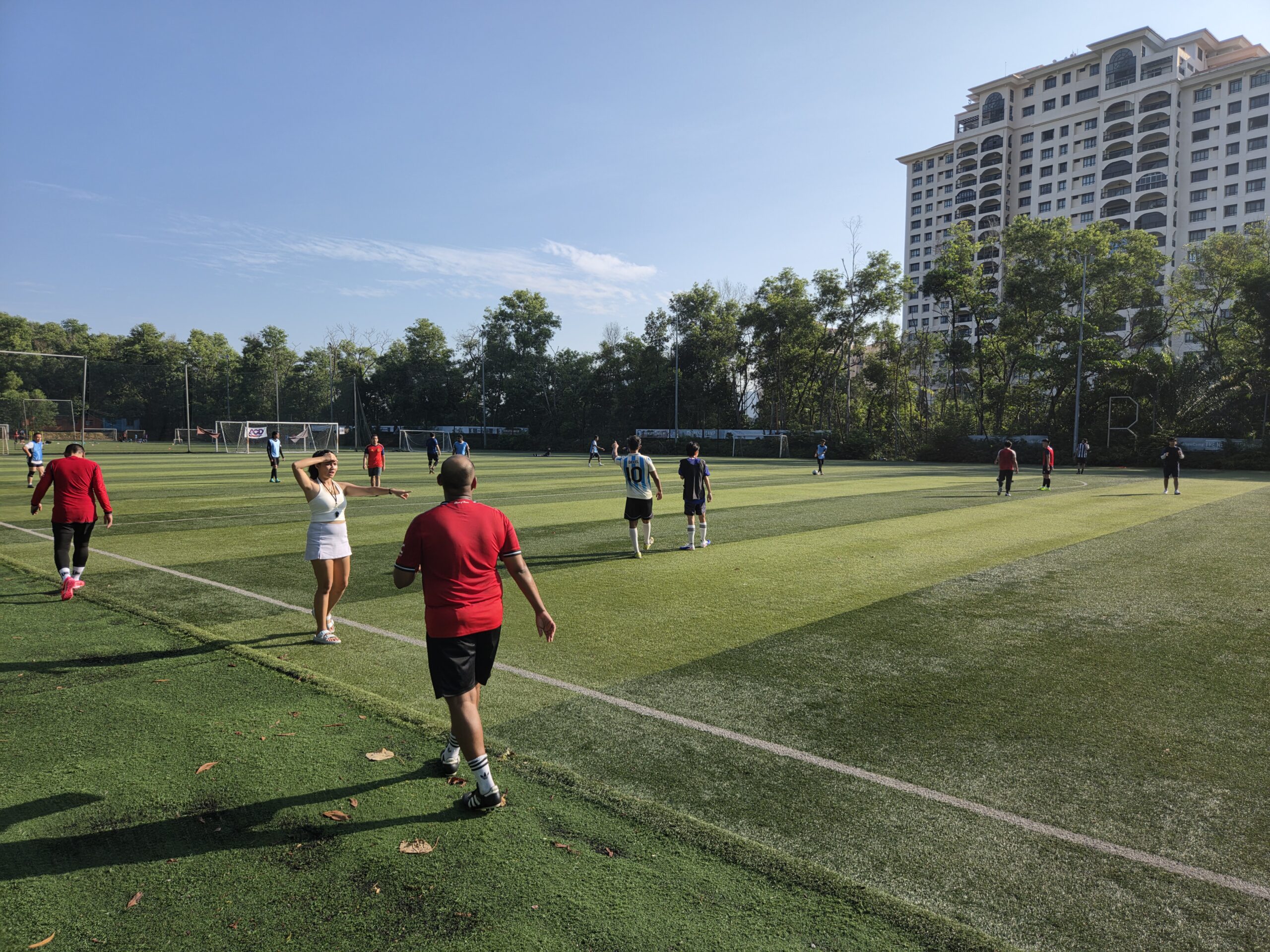
The horizontal lock feature, which was introduced in the S26 Ultra is also available on the Z Fold 8, but our favourite AI-powered video feature is definitely the My FanCam feature. Using AI, the software not only identifies individuals in the video, it also automatically tracks, zooms in and creates instant edits as exhibited in the video of us scoring a goal here:
Unfolded and Unpacked
Yes, we totally understand the apprehensiveness from those skeptical of trying out foldables due to numerous issues from the past. However, eight generations in, Samsung has perfected the formula, optimised their software to accommodate folding screens, have fuller understanding of what the market wants and with the new look seen on the Z Fold 8, have hit the perfect balance of form and functionality.
Starting from RM7,099 (12GB/256GB), the Z Fold 8 is an expensive piece of tech. It has fewer cameras compared to the Z Fold 8 Ultra and lacks both Flex Mode AND S Pen support. Yet, we are confident that as a package, the Z Fold 8 carries that X-factor that puts it well ahead of its competitors. A device’s worthiness should not just be confined to what’s written on paper. It is the experience and joy you get from handling one and in the Z Fold 8, it is abundant. But don’t just take our word for it. We implore that you visit a Samsung store, get one of these in your hands. A game-changer, this.
As for us? We’d ditch the S26 Ultra for the Z Fold 8 in a heartbeat.
Pros
- Great form factor.
- Improved battery from the Z Fold 7.
- Seamless and most effective foldable UI.
- Great conversation starter.
- Wide, bright inner screen perfect for gaming and movie watching.
- Light and sturdy build.
Cons
- Absence of FlexMode.
- Odd speaker placement.
Final Score: 90/100
Vital Statistics:
- Platform: Android 17, up to 7 major OS updates, One UI 9
- Body: Unfolded: 161.4 x 123.9 x 4.5 mm/ Folded: 81.9 x 123.9 x 9.7 mm; ~201g
- Frame: Glass front (Gorilla Glass Victus Ceramic 3) (folded), plastic front (unfolded), glass back (Gorilla Glass Victus 2), aluminum frame
- Chipset: Qualcomm SM8850-1-AD Snapdragon 8 Elite Gen 5 (3 nm)
- CPU: Octa-core (2×4.74 GHz Oryon V3 Phoenix L + 6×3.62 GHz Oryon V3 Phoenix M)
- GPU: Adreno 840
- Display: Foldable Dynamic LTPO AMOLED 2X, 120Hz, HDR10+, 3000 nits (peak)
- Memory (Internal): 256GB 12GB RAM, 512GB 12GB RAM, 1TB 12GB RAM, 1TB 16GB RAM
- Main Camera: 50 MP, f/1.8, 23mm (wide), 50 MP, f/1.9, 120˚ (ultrawide)
- Video: 8K@30fps, 4K@30/60/120fps, 1080p@30/60/120/240fps, gyro-EIS, OIS
- Sound: Stereo speakers, no jacks given. Weird placement.
- Battery: Li-Ion 4800 mAh, non-removable
- Price: Starts from RM 7,099(256GB, 12GB RAM)
A review unit of the Z Fold 8 was sent to us by Samsung Malaysia. This review was made based on two-weeks of using the device as a daily driver. The device is set to hit stores on 6th August 2026. You can pre-order yours here.

Leave a Comment